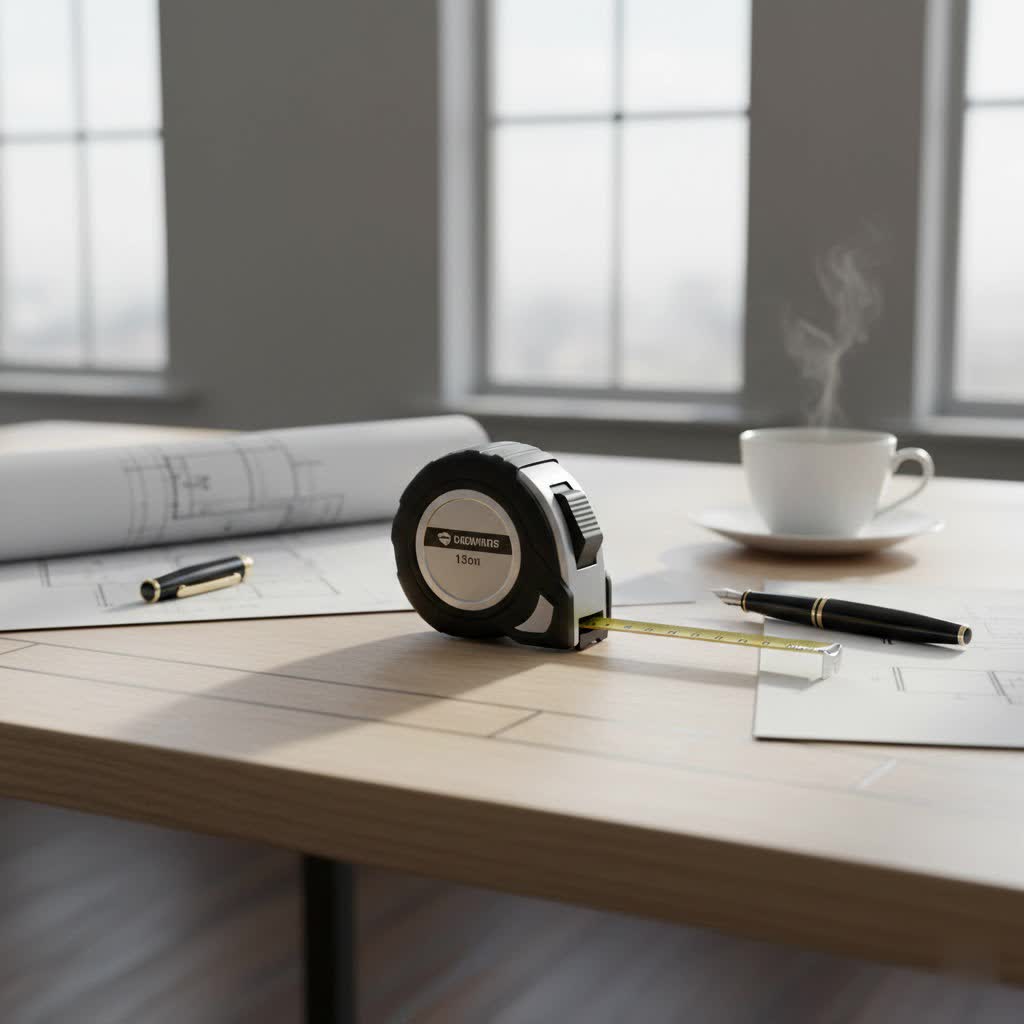
Choosing the best tape measure involves understanding various types, key features, and maintenance, ensuring accuracy and efficiency for any project. For general home use, a 12-foot tape measure is often sufficient, while builders prefer a 25-foot model. High-quality brands like Irwin, Milwaukee, and Lufkin consistently stand out for innovation and durability, offering features like long standout and robust casings.
What is a Tape Measure? Why is it Essential?
A tape measure is a flexible ruler used to measure distance, a fundamental tool in countless professions and everyday tasks. Whether you’re a seasoned builder, a diligent DIY enthusiast, or simply hanging a picture, an accurate measurement is the foundation of any successful project. Its importance lies in providing reliable dimensions, ensuring everything from furniture assembly to construction fits perfectly, preventing costly mistakes and wasted materials.
Historically, humans have sought ways to quantify space. Early forms of measurement involved ropes and chains, but the modern retractable tape measure revolutionized precision and portability. While its exact origins are debated, its evolution into the sturdy, easy-to-use device we know today makes it an indispensable item in any toolkit.
Popular Types of Tape Measures and Their Applications
The world of tape measures is diverse, with various types designed for specific tasks. Understanding these differences is key to selecting the right tool for your project.
Steel Tape Measures
Steel tape measures are the workhorses of the measuring world, widely favored for their durability and accuracy, especially in professional settings like civil engineering and surveying. Their blades are typically made from tempered steel, often coated with nylon or lacquer to enhance wear resistance and prevent rust, extending their lifespan.
- Characteristics: Exceptionally rigid, highly accurate, durable.
- Pros: Unmatched durability, excellent stand-out (how far the blade extends before bending), resistant to stretching.
- Cons: Can conduct electricity, susceptible to damage from extreme heat, heavier than other types.
- Applications: Construction, woodworking, general home improvement, surveying.
Fiberglass Tape Measures
Fiberglass tape measures offer a lighter, more flexible alternative, particularly useful in situations where metal might be a hazard or rigidness is not required. They are made from woven fiberglass strands, often encased in a vinyl coating.
- Characteristics: Flexible, non-conductive, lightweight.
- Pros: Does not rust, safe around electrical hazards, more economical.
- Cons: Can stretch if excessive force is applied, potentially affecting accuracy; less rigid standout compared to steel.
- Applications: Electrical work, landscaping, tailoring, measuring curved surfaces, general DIY where flexibility is needed.
Linen/Cloth Tape Measures
Linen or cloth measuring tapes are the most flexible of all, designed for short measurements and applications requiring the tape to conform to irregular shapes. These are typically not cased and are often found in sewing kits.
- Characteristics: Very flexible, lightweight, easy to handle.
- Pros: Ideal for body measurements, fabrics, or bending around obstacles.
- Cons: Prone to stretching and less durable than steel or fiberglass, lower accuracy over long distances.
- Applications: Sewing, tailoring, crafts, first aid, measuring circumference.
Cased Tape Measures (Spring Return vs. Manual Return)
|
Our Picks for the Best Tape Measure in 2026
As an Amazon Associate I earn from qualifying purchases.
|
||
| Num | Product | Action |
|---|---|---|
| 1 | Amazon Basics Retractable Tape Measure with Push Button, Easy to Use, 16 Feet, Pink |

|
| 2 | Stanley FMHT74038A FatMax 25 Foot Tape Measure 2PK |
|
| 3 | Amazon Basics Self-Locking Tape Measure, MID Accuracy, 16-Feet (5-Meters), Black, Yellow |
|
| 4 | iBayam 2 Pack Tape Measure Measuring Tape for Body Fabric Sewing Tailor Cloth Knitting Vinyl Home Craft Measurements, 60-Inch Soft Fashion Pink & Retractable Black Double Scales Rulers for Body Weight |
|
| 5 | GDMINLO Soft Tape Measure Double Scale Body Sewing Flexible Tailor Craft Vinyl Ruler for Weight Loss Medical Body Measurement, Has Centimetre Scale on Reverse Side 60-inch(White) |
|
| 6 | CRAFTSMAN 25-Ft Tape Measure with Fraction Markings, Retractable, Self-Locking Blade (CMHT37225) |
|
| 7 | Milwaukee 48-22-0325 Compact Wide Blade Magnetic Tape Measures |
|
| 8 | Milwaukee Tool 48-22-7125 Magnetic Tape Measure 25 ft x 1.83 Inch, 2 Pack |
|
| 9 | DEWALT Atomic Compact Series 30 ft. Tape Measure (DWHT38130S) |
|
| 10 | 4-in-1 Digital Laser Tape Measure,328ft Laser Distance Meter with Cross-Line Laser,16FT AutoLock Tape,Rechargeable,Backlit LCD,Waterproof,for DIY & Construction |
|
Most common tape measures fall into the “cased” category, featuring a protective housing for the blade. Within this, there are two primary mechanisms:
- Spring Return Tape Measures: These are the standard retractable tapes found in most toolboxes. They are compact and automatically retract with a spring mechanism.
- Applications: Everyday tasks, general construction, carpentry.
- Manual Return Tape Measures: Designed for longer distances, these often require a hand crank to wind the tape back into its case.
- Applications: Surveying, large outdoor measurements, athletic fields.
Laser and Electronic Tape Measures
Advancements in technology have introduced laser and electronic tape measures, which offer digital readouts and the ability to measure distances rapidly without physical contact. While not traditional “tape” measures, they fulfill the same primary function with increased convenience and often enhanced precision for specific tasks.
- Characteristics: Digital display, often includes calculation functions (area, volume), precise.
- Pros: Fast measurements, accuracy over long distances, hands-free operation possible, can store readings.
- Cons: Requires batteries, generally more expensive, can be affected by environmental factors (e.g., bright light outdoors).
- Applications: Real estate, interior design, large-scale construction, architectural work.
Key Criteria for Choosing a Tape Measure
Selecting the right tape measure goes beyond just picking one off the shelf. Consider these crucial factors to ensure it meets your specific project demands and provides reliable results.
Length and Accuracy
The required length of your tape measure is paramount and should align with the scale of your typical projects. For general home use and smaller interior jobs, a 12-foot tape measure often suffices. Builders and DIY enthusiasts tackling larger rooms or construction work might prefer a 25-foot “builder’s tape” that includes 1/16-inch increments for standard measurements. For extensive outdoor work, such as property boundaries or landscaping, a 100-foot or longer tape is more appropriate.
Accuracy, or the allowable error, is also critical. While most reputable brands meet industry standards, consistently precise measurements are vital for professional work. Familiarize yourself with measurement standards, whether you need imperial (feet and inches) or metric (meters and centimeters) markings, or a tape that includes both.
Material and Durability
The materials used in a tape measure directly impact its longevity and performance. The casing often comes in plastic (like ABS for resistance) or metal, offering varying levels of protection against drops and impacts.
The blade material is equally important. Steel blades are known for their strength and resistance to kinking, with some high-quality models using 50, 60, or 65 manganese steel for optimal toughness and corrosion resistance. Fiberglass blades, while more flexible, should have a high number of strands to minimize stretching and improve their return to original size. Look for features like anti-glare finishes, water resistance, and robust construction that can withstand the rigors of your work environment.
Additional Features
Modern tape measures come equipped with a variety of features that can significantly enhance usability and efficiency.
- Automatic Lock: This feature allows the blade to stay extended without manual pressure, freeing up your hands for marking or securing the measurement.
- Magnetic Hook: A magnetic tip is incredibly useful for attaching the tape to metal surfaces, especially when working alone.
- Belt Clip: A sturdy belt clip ensures your tape measure is always within easy reach.
- LED Light: Some advanced models incorporate an LED light, illuminating the measurement area in dim conditions.
- Digital Display: Found on electronic tape measures, this provides instant, easy-to-read numerical measurements.
- Standout Length: This refers to how far the blade can extend horizontally before it “breaks” or bends under its own weight. A longer standout is a sign of a high-quality, rigid blade, crucial for single-person measurements.
- Double-Sided Blade: Markings on both sides of the blade can be incredibly convenient for overhead measurements or when reading from different angles.
- Fractional Markings: Tapes with fractions (e.g., 1/8, 1/16) simplify reading for those less familiar with fine imperial increments.
Comparison of Top Tape Measures Today
When it comes to the best tape measures, several brands consistently stand out for their innovation, durability, and user-friendly features. Based on extensive testing and user feedback, here’s a snapshot of some top contenders.
| Tape Measure Model | Key Features | Pros | Cons | Best For |
|---|---|---|---|---|
| Irwin Strait-Line | Bold, distinct numbers, long standout, finger brake | Professional quality, very sturdy and accurate. | May lack some advanced features. | Overall Best, Professional Use |
| Crescent Lufkin Shockforce | Dual-sided blade, high-contrast markings, robust case | Excellent durability, easy readability, superior grip. | Higher price point. | Easy to Read, Heavy Duty |
| Milwaukee Stud | Wide blade, durable casing, strong magnetic hook | Exceptional blade stiffness, abuse resistance. | Can be heavier and bulkier. | Demanding Job Sites, Durability |
| Stanley FatMax | Long standout, Mylar-coated blade, compact case | Excellent reach, durable, reliable. | Some users report declining quality in newer models. | All-around Professional Use |
| DeWalt Tough Series | Durable housing, magnetic hook, often LED | Rugged construction, good for tough environments. | Can be pricy. | Durability, Magnetic Hook |
| Komelon Contractor LR | Good value, decent standout | Excellent budget option, reliable for DIY. | Shorter standout than premium models. | Budget-Conscious DIYers |
“The right tape measure isn’t just about length; it’s about the combination of blade integrity, case durability, and user-centric features that make your work efficient and accurate.” – Admin, Reviewders.com
Proper Use and Maintenance of Tape Measures
Even the best tape measure needs proper handling and care to maintain its accuracy and extend its lifespan.
How to Use Your Tape Measure Safely and Accurately:
- Secure the Hook: Most tape measures have a metal hook at the end. Use it to latch onto the edge of an object for stability, especially when measuring alone. For inside measurements, ensure the hook is firmly pressed against the surface.
- Pull Gently: Extend the tape smoothly to your desired length. Avoid excessive pulling, especially with fiberglass tapes, as this can cause stretching and inaccurate readings.
- Read Carefully: Align your eye directly with the marking to avoid parallax error. Understand that the hook is designed to shift slightly for both inside and outside measurements, ensuring accuracy.
- Use the Lock/Brake: Engage the blade lock or finger brake to hold the measurement securely, preventing accidental retraction while you mark or verify.
Understanding Markings:
- Imperial: Typically marked in feet, inches, and fractions of an inch (1/2, 1/4, 1/8, 1/16). Red numbers often denote feet or specific increments for framing.
- Metric: Marked in meters, centimeters, and millimeters.
Maintenance Tips to Extend Lifespan:
- Keep it Clean: Wipe the blade with a dry cloth after use to remove dust, dirt, and moisture.
- Avoid Harsh Environments: Protect your tape measure from extreme temperatures, prolonged moisture, and corrosive chemicals. Steel tapes can be affected by extreme heat.
- Retract Carefully: Allow the blade to retract smoothly. Don’t let it snap back violently, as this can damage the hook or the internal spring mechanism.
- Store Properly: Keep it in a dry place, away from heavy tools that might crush the casing.
Common Errors and How to Fix Them:
- Kinked Blade: Occurs from over-extension or improper handling. While minor kinks might be straightened, severe kinks often mean it’s time for a replacement.
- Hook Wear: The hook can become loose or bent over time. Some hooks can be re-tightened or gently bent back into shape, but severe damage compromises accuracy.
- Slow Retraction: Often due to dirt inside the casing or a worn-out spring. Cleaning the blade and mechanism might help, but a new tape is usually the best solution for consistent performance.
Where to Buy Reliable Tape Measures and Quality?
Finding a trustworthy source for your tape measure ensures you get a genuine product that performs as expected.
Reputable Retailers:For in-person purchases, major hardware stores like Home Depot are excellent choices, offering a wide selection of brands and models, allowing you to physically inspect the tool before buying. Specialized tool shops often provide expert advice and cater to specific trades, offering higher-end or niche products.
Online Shopping:Online retailers such as Amazon are convenient and typically offer competitive prices and a vast array of options. Be sure to read reviews and check seller ratings to ensure authenticity and customer satisfaction.
Avoiding Counterfeits and Low-Quality Products:To avoid fake or subpar tape measures, always purchase from authorized dealers or reputable online stores. Be wary of unusually low prices for premium brands. Inspect the product for quality construction, clear markings, and a smooth retraction mechanism. A well-made tape measure will feel solid in your hand and operate fluidly.
Buying Guide: Expert Advice
After years of hands-on experience, here are my top tips for selecting the ideal tape measure for your needs:
- Prioritize Purpose: Before anything else, consider what you’ll be measuring most often. Short, rigid tapes for close-up work? Long, flexible tapes for landscaping? A heavy-duty model for construction?
- Don’t Skimp on Quality: A cheap tape measure is a false economy. Investing in a durable, accurate model from a reputable brand like Irwin, Milwaukee, or Lufkin will save you frustration and money in the long run.
- Check the Standout: For one-person jobs, a good standout length is a major upgrade. Test it in the store if possible.
- Readability Matters: High-contrast markings, large numbers, and fractional indicators (if you use imperial) significantly reduce measurement errors and eye strain.
- Ergonomics and Feel: A tape measure should feel comfortable in your hand and be easy to operate. The lock mechanism should be responsive, and the retraction smooth.
Common Mistakes to Avoid:
- Overlooking the Hook: The accuracy of the hook is crucial. Ensure it’s firmly riveted and moves correctly for both push and pull measurements.
- Ignoring Blade Width: Wider blades generally offer better rigidity and standout.
- Buying for “Brand Only”: While reputable brands are a good starting point, compare specific models for features that genuinely benefit your work. Not all products from a single brand are created equal.
Conclusion
Choosing the right tape measure is an investment in accuracy, efficiency, and the quality of your work. By understanding the different types, key features, and maintenance requirements, you can confidently select a tool that will serve you reliably for years to come. Precision begins with the right instrument, and a well-chosen tape measure is truly a craftsman’s best friend.
What’s the one feature you can’t live without in your tape measure?
Frequently Asked Questions
How to Use Your Tape Measure Safely and Accurately
Follow these steps to ensure precise measurements and extend the lifespan of your tape measure.
Use the metal hook at the end of the tape to latch onto the edge of an object for stability, especially when measuring alone. For inside measurements, ensure the hook is firmly pressed against the surface to prevent errors.
Extend the tape smoothly to your desired length, avoiding excessive pulling that can cause stretching, particularly with fiberglass tapes. Align your eye directly with the marking to avoid parallax error and ensure an accurate reading.
Engage the blade lock or finger brake to hold the measurement securely. This prevents accidental retraction while you mark or verify, ensuring your hands are free for other tasks.
Wipe the blade with a dry cloth after each use to remove dust and moisture. Store your tape measure in a dry place, away from extreme temperatures and heavy tools, to prevent damage and extend its lifespan.
Pet products vetted on real animals
Practical specs, not advice. Unsubscribe anytime.

As a diligent DIY enthusiast, I can’t stress enough how much a good tape measure matters. I used to struggle with cheap ones, but after getting a high-quality brand mentioned, my furniture assembly projects are so much more accurate. No more costly mistakes from inaccurate dimensions!
I picked up an Irwin 12-foot tape measure for general home use, and it’s been great for all my DIY tasks. The casing feels really robust, and I appreciate the clear markings. My only minor gripe is that the auto-lock feature can sometimes be a little sticky, but it’s not a deal-breaker. Still a solid choice for everyday projects.
I finally upgraded my old, flimsy tape measure after reading about the importance of long standout. This Milwaukee 25-foot model is a game-changer for my construction projects. The blade stays rigid for so much longer, making solo measurements a breeze. Definitely worth the investment for anyone serious about their work.
I was hoping the Lufkin tape measure would be perfect, especially with its reputation for durability. While it feels sturdy, the blade retraction on mine is a bit slow and sometimes catches. It’s not terrible, but it’s a minor annoyance when I’m trying to work quickly. It gets the job done, but I expected a smoother experience.