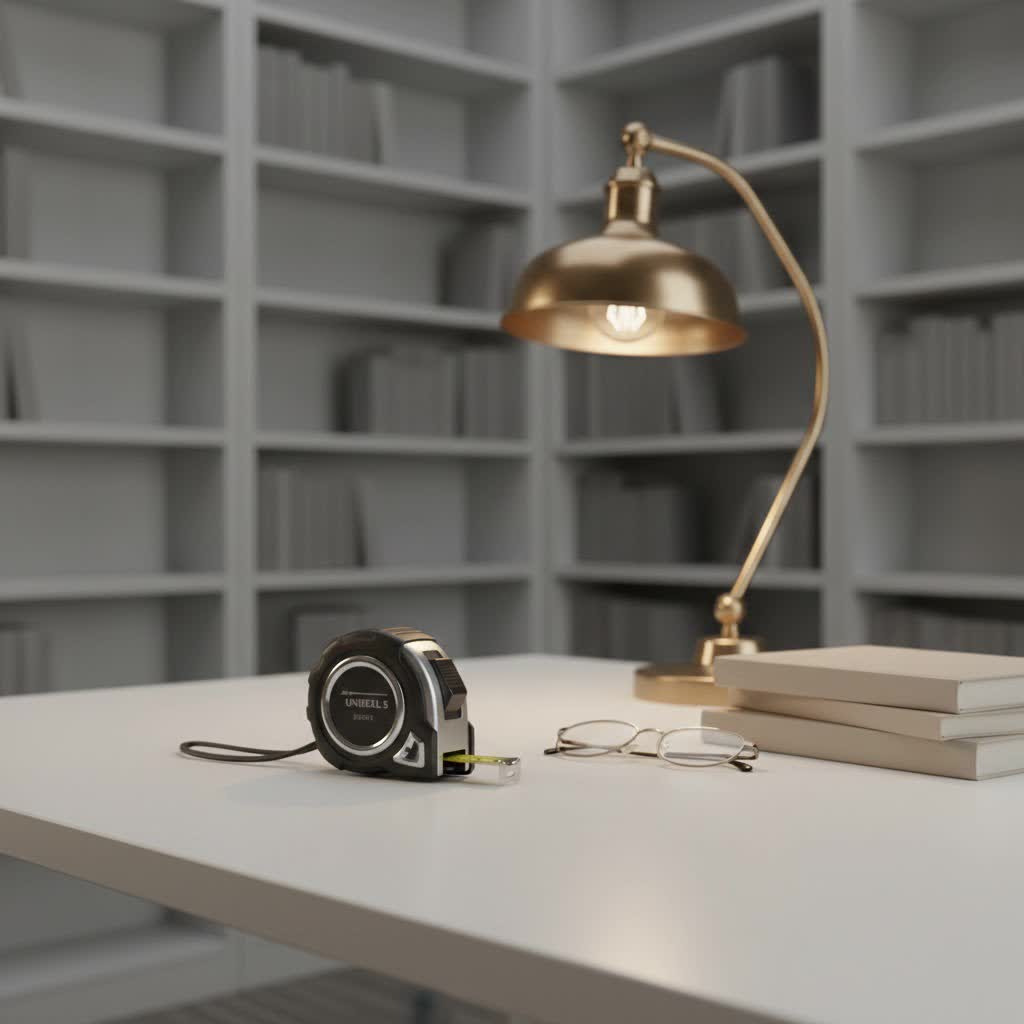
A tailor’s tape measure is a flexible ribbon, typically 60 inches (152 cm) long, made from reinforced fiberglass or vinyl, essential for precise measurements in sewing, fashion design, and personal fitting. Unlike rigid rulers, its flexibility allows it to conform to curved surfaces, making it ideal for accurate body measurements and fabric work. Modern fiberglass tapes offer superior non-stretch properties, ensuring consistent accuracy over time.

What is a Tailor’s Tape Measure? Why is it Essential?
A tailor’s tape measure, often referred to as a sewing tape, is a long, flexible ribbon used to measure length or distance, primarily in the context of human body dimensions and fabric. Unlike rigid rulers or retractable metal tapes used in construction, tailor’s tapes are designed to conform smoothly to curved surfaces, making them perfect for taking precise body measurements for clothing, drafting patterns, and measuring fabric lengths. For see our tape measures recommendations on this site.
The necessity of a tailor’s tape measure stems from its inherent flexibility. Imagine trying to measure a waist circumference with a rigid carpenter’s tape—it’s practically impossible to get an accurate reading. Early forms of flexible measuring tools, like strips of parchment, date back to ancient Egypt, evolving over centuries to cloth and plastic versions. Today, modern tailor’s tapes leverage advanced materials like fiberglass, offering superior non-stretch properties crucial for consistent accuracy. This evolution underscores the enduring demand for a tool that can adapt to the organic shapes of the human body and the flowing nature of textiles, making it an irreplaceable part of any sewing kit.
Types of Tailor’s Tape Measures and Their Applications
While the core function remains consistent, tailor’s tape measures come in various forms, each suited for different preferences and tasks. Understanding these types will help you choose the best tool for your specific needs.
Flexible Fabric/Fiberglass Tapes
These are the quintessential tailor’s tape measures, characterized by their soft, pliable nature. They are typically made from reinforced polyester or fiberglass, often coated with vinyl to prevent stretching and ensure durability.
- Characteristics:
- Soft and flexible: Easily wraps around curves without kinking.
- Non-stretch: Fiberglass especially resists stretching, maintaining accuracy over time.
- Dual-sided markings: Commonly features both inches and centimeters, often on opposing sides or along the same length.
- Lengths: Most commonly 60 inches (152 cm), but also available in longer lengths like 100 or 120 inches for larger projects.
- Pros: Excellent for body measurements, pattern drafting, measuring fabric on a bolt, and checking curved hems. The soft material is gentle against skin and fabric.
- Cons: Can get tangled or creased if not stored properly. May wear out over time, especially older cloth versions.
- Applications: Ideal for tailors, dressmakers, quilters, and anyone needing to measure irregular or curved surfaces with high accuracy.
Retractable Tape Measures
|
Our Picks for the Best Tape Measure in 2026
As an Amazon Associate I earn from qualifying purchases.
|
||
| Num | Product | Action |
|---|---|---|
| 1 | Milwaukee 48-22-0325 Compact Wide Blade Magnetic Tape Measures |

|
| 2 | Amazon Basics Retractable Tape Measure with Push Button, Easy to Use, 16 Feet, Pink |
|
| 3 | DEWALT Atomic Compact Series 30 ft. Tape Measure (DWHT38130S) |
|
| 4 | Milwaukee Tool 48-22-7125 Magnetic Tape Measure 25 ft x 1.83 Inch, 2 Pack |
|
| 5 | GDMINLO Soft Tape Measure Double Scale Body Sewing Flexible Tailor Craft Vinyl Ruler for Weight Loss Medical Body Measurement, Has Centimetre Scale on Reverse Side 60-inch(White) |
|
| 6 | 4-in-1 Digital Laser Tape Measure,328ft Laser Distance Meter with Cross-Line Laser,16FT AutoLock Tape,Rechargeable,Backlit LCD,Waterproof,for DIY & Construction |
|
| 7 | Stanley FMHT74038A FatMax 25 Foot Tape Measure 2PK |
|
| 8 | Amazon Basics Self-Locking Tape Measure, MID Accuracy, 16-Feet (5-Meters), Black, Yellow |
|
| 9 | iBayam 2 Pack Tape Measure Measuring Tape for Body Fabric Sewing Tailor Cloth Knitting Vinyl Home Craft Measurements, 60-Inch Soft Fashion Pink & Retractable Black Double Scales Rulers for Body Weight |
|
| 10 | CRAFTSMAN 25-Ft Tape Measure with Fraction Markings, Retractable, Self-Locking Blade (CMHT37225) |
|
Retractable tailor’s tape measures offer convenience and compact storage. These tapes are housed within a small case, often with a push-button mechanism for easy retraction.
- Characteristics:
- Compact design: Fits easily into a sewing box or bag.
- Spring-loaded retraction: Tape neatly pulls back into its case with a button press.
- Durable casing: Protects the tape from damage and tangles.
- Materials: Tape usually made of fiberglass or vinyl for flexibility and non-stretch properties.
- Pros: Keeps the tape clean and tangle-free, quick to use, and highly portable.
- Cons: The retraction mechanism can sometimes fail over prolonged use, and the casing can add a bit of bulk.
- Applications: Perfect for quick measurements, on-the-go adjustments, and those who value neat storage and ease of access.
Crucial Criteria When Choosing a Tailor’s Tape Measure
Selecting the right tailor’s tape measure involves more than just picking the first one you see. Several key factors contribute to its functionality, accuracy, and longevity.
Length and Accuracy
The length of your tape measure should align with your typical projects. While a 60-inch (152 cm) tape is standard for most body measurements and smaller sewing tasks, longer tapes (e.g., 100 or 120 inches) are invaluable for measuring larger items like curtains, upholstery fabric, or elaborate patterns.
Accuracy is paramount. The primary concern is ensuring the tape does not stretch or shrink with use, which can lead to costly errors in garment construction. Modern tapes made from reinforced fiberglass are superior in this regard, offering stable measurements. Ensure the markings are clear and precise, with both imperial (inches) and metric (centimeters) units available if you work with patterns or clients using different systems. Some tapes may even feature markings from both ends, which can be useful for certain measuring techniques.
Material and Durability
The material of your tailor’s tape directly impacts its durability and reliability.
- Fiberglass: This is generally considered the best material due to its exceptional resistance to stretching, tearing, and fading. Fiberglass tapes maintain their accuracy even with frequent use and exposure to varying conditions.
- Vinyl: A good alternative, vinyl tapes are also flexible and generally non-stretch. They are often more affordable and come in a variety of colors. However, some lower-quality vinyl tapes might become brittle over time or with extreme temperature changes.
- Cloth/Fabric: Traditional cloth tapes can be comfortable to use but are more prone to stretching, especially if they become damp or are pulled too tautly over time. This can compromise accuracy.
The casing material for retractable tapes should also be considered, with sturdy plastics offering good protection for the tape within. Look for tapes with well-secured metal ends, often made of brass, to prevent fraying and ensure the starting point remains intact.
Additional Features
Some features can significantly enhance the user experience and versatility of a tailor’s tape measure:
- Clear, High-Contrast Markings: Easy-to-read numbers and lines prevent eye strain and reduce errors. High contrast colors (e.g., black markings on a yellow tape) are highly desirable.
- Dual-Sided Measurements: Tapes with inches on one side and centimeters on the other, or even measurements starting from both ends, offer greater versatility.
- Retractable Mechanism: For convenience and neat storage, a smooth, reliable retraction button is a valuable feature.
- Brass Tips: Small metal tips at the ends of the tape help prevent fraying and provide a firm starting point. Some even have a small hole that can be used to pin the tape in place.
Comparison Table of Tailor’s Tape Measure Types
To help you visualize the differences, here’s a comparison of the primary types of tailor’s tape measures:
| Feature | Flexible Fabric/Fiberglass Tape | Retractable Tape Measure |
|---|---|---|
| Material | Reinforced fiberglass, vinyl, or polyester | Fiberglass or vinyl housed in a plastic case |
| Flexibility | High – excellent for curves | High – excellent for curves |
| Durability | Good – resistant to stretch/tear (fiberglass) | Good – tape protected by casing; mechanism can fail |
| Storage | Can tangle if not rolled, often comes with clip/tie | Compact, self-contained, tangle-free |
| Ease of Use | Simple, straightforward | Quick retraction, convenient for on-the-go |
| Common Lengths | 60″, 100″, 120″ | 60″, 100″ |
| Best For | Detailed body measurements, pattern drafting, large fabric pieces | Quick measurements, portability, neat storage |
| Price Range | Low to Moderate | Moderate |
How to Use and Care for Your Tailor’s Tape Measure Correctly
Even the finest tailor’s tape measure is only as effective as its user. Proper technique and care will ensure accuracy and prolong its life.
Using Your Tape Measure Safely and Accurately
- Start at Zero: Always begin your measurement from the “0” mark on the tape. Some tapes might have a small blank space before the zero; ensure you start exactly at the first marked increment.
- Maintain Proper Tension: For body measurements, the tape should be snug against the body but not so tight that it compresses the skin or fabric. It should be taut enough to avoid slack but loose enough for a finger to slip underneath comfortably. For flat surfaces, keep the tape perfectly straight and flat.
- Read at Eye Level: To prevent parallax errors, read the measurement directly at eye level.
- Work with Curves: When measuring around a curve (like a waist or bust), let the tape conform naturally to the shape. Do not try to force it into a straight line.
- Record Immediately: Jot down your measurements as soon as you take them to avoid memory slips. Double-check important measurements.
Understanding Markings
Most tailor’s tape measures feature both imperial and metric scales.
- Imperial (Inches): Inches are typically divided into fractions (e.g., 1/8, 1/4, 1/2). The longest line between two whole numbers usually indicates a half-inch, with progressively shorter lines for quarter-inches, eighths, and sometimes sixteenths.
- Metric (Centimeters): Centimeters are divided into millimeters (mm), where 10 mm equals 1 cm. This system is decimal-based and often considered easier for precise calculations.
It’s crucial to be comfortable reading both systems, as many patterns and fabric specifications use one or the other.
Care Tips to Extend Lifespan
- Store Neatly: Avoid kinking or twisting the tape. For flexible tapes, roll them up loosely. Retractable tapes should be allowed to retract fully. Proper storage prevents creases that can distort measurements.
- Keep Dry and Clean: Moisture can cause some materials to warp or markings to fade. Clean your tape with a soft, dry cloth. Avoid harsh chemicals.
- Avoid Extreme Temperatures: Prolonged exposure to extreme heat or cold can affect the material’s integrity and potentially cause stretching or shrinking.
- Replace When Worn: If your tape measure shows signs of stretching, fading, or damage, it’s time for a replacement. A compromised tape will lead to inaccurate results.
Where to Buy Reliable and Quality Tailor’s Tape Measures?
Finding a trustworthy source for your tailor’s tape measure ensures you’re investing in a tool that provides consistent accuracy and durability.
- Specialty Sewing and Craft Stores: These stores, both physical and online, are excellent places to find a wide selection of tailor’s tape measures from reputable brands. Staff at physical stores can often offer personalized recommendations.
- Online Retailers: Large e-commerce platforms offer a vast array of options. Look for sellers with high ratings and detailed product descriptions. Always read customer reviews to gauge product quality and accuracy.
- Fabric and Upholstery Supply Stores: These businesses often carry professional-grade measuring tools suitable for heavy-duty use.
When purchasing, be wary of unusually low prices, which can sometimes indicate lower quality materials prone to stretching or quick wear. Prioritize brands known for their sewing and tailoring supplies to ensure you’re getting a tool designed for the precision your craft demands.
Buying Guide: Expert Advice for Your Tailoring Toolkit
Choosing the right tailor’s tape measure is a small decision that significantly impacts the quality of your work. Here’s some expert advice to guide your selection:
- Prioritize Fiberglass: If long-term accuracy is your primary concern, always opt for a fiberglass tape measure. Its non-stretch properties are invaluable.
- Consider Length for Purpose: A 60-inch tape is a versatile all-rounder, but if you regularly work on larger projects or with larger body types, a 100-inch or 120-inch tape will save you time and ensure uninterrupted measurements.
- Opt for Clear, Dual Markings: Tapes with high-contrast markings in both inches and centimeters will cater to a wider range of patterns and clients, enhancing efficiency.
- Evaluate Retraction: For those who value tidiness and quick access, a smooth, reliable retractable mechanism is a worthwhile feature. Test it if possible.
- Don’t Skimp on Quality: A cheap, flimsy tape measure that stretches or wears out quickly will cost you more in wasted fabric and time than the savings on the initial purchase. View your tape measure as an investment in precision.
“A quality tailor’s tape measure is the silent partner in every successful garment project. It’s not just about length; it’s about the consistent, unwavering accuracy that empowers creators to bring their visions to life with confidence.” – Admin, Reviewders.com, Master Technician in Measurement Tools
Conclusion
The tailor’s tape measure is a humble yet mighty tool, serving as the cornerstone of accuracy in sewing, tailoring, and fashion design. Its flexibility, precision, and ease of use make it indispensable for taking body measurements, drafting patterns, and ensuring every creation fits perfectly. By understanding the different types, prioritizing quality materials like fiberglass, and practicing proper usage and care, you equip yourself with a tool that will faithfully serve your craft for years to come.
Investing in a high-quality tailor’s tape measure is investing in the success and satisfaction of your projects. What measurement challenge are you ready to conquer with your perfectly chosen tailor’s tape?
Frequently Asked Questions
What is the ideal length for a tailor’s tape measure?
The most common and versatile length is 60 inches (152 cm), suitable for most body measurements and standard sewing projects. However, a 100-inch (254 cm) or 120-inch (304 cm) tape is often recommended for larger projects like curtains, upholstery, or for measuring larger figures, providing uninterrupted measurement.
How do tailor’s tape measures differ from construction tape measures?
Tailor’s tape measures are specifically designed to be soft, flexible, and non-stretch, typically made of fiberglass or vinyl, allowing them to conform to curved surfaces like the body. In contrast, construction tape measures are usually rigid, metallic, and designed to stay straight for measuring flat, hard surfaces, often featuring a hook at the end for single-person operation.
Frequently Asked Questions
What is the ideal length for a tailor's tape measure?
The most common and versatile length for a tailor's tape measure is 60 inches (152 cm), which is suitable for most body measurements and standard sewing projects. For larger projects like curtains or upholstery, or for measuring larger figures, a 100-inch (254 cm) or 120-inch (304 cm) tape is often recommended to provide uninterrupted measurement.
How do tailor's tape measures differ from construction tape measures?
Tailor's tape measures are specifically designed to be soft, flexible, and non-stretch, typically made of fiberglass or vinyl, allowing them to conform to curved surfaces like the human body. In contrast, construction tape measures are usually rigid, metallic, and designed to stay straight for measuring flat, hard surfaces, often featuring a hook at the end for single-person operation.
What material is best for a tailor's tape measure to ensure accuracy?
Fiberglass is generally considered the best material for a tailor's tape measure due to its exceptional resistance to stretching, tearing, and fading. Fiberglass tapes maintain their accuracy even with frequent use and exposure to varying conditions, which is crucial for consistent garment construction.
Why are dual-sided markings important on a tailor's tape?
Dual-sided markings, typically featuring both imperial (inches) and metric (centimeters) scales, are important for versatility. Many patterns and fabric specifications use one system or the other, and having both on a single tape allows for seamless transitions and reduces the chance of conversion errors, enhancing efficiency for tailors and crafters.
How should I store a tailor's tape measure to prolong its lifespan?
To prolong the lifespan of a tailor's tape measure, store it neatly to avoid kinking or twisting. Flexible tapes should be rolled up loosely, while retractable tapes should be allowed to retract fully into their cases. Proper storage prevents creases that can distort measurements and protects the tape from damage, ensuring consistent accuracy over time.
Pet products vetted on real animals
Practical specs, not advice. Unsubscribe anytime.

I bought a new tailor’s tape measure based on some of the features discussed, specifically looking for one that wouldn’t stretch. While the non-stretch properties are good, I found the markings on the one I got to be a little faint. It’s still usable for fabric work, but I have to really concentrate to read the smaller increments, which can be a bit frustrating when I’m in a hurry.
This guide was super helpful! I was looking for a new sewing tape because my old one was just too stiff and hard to work with on curved surfaces. The flexibility mentioned here is exactly what I needed for my costume design projects. I ended up getting one that’s 60 inches long, and it’s made a huge difference in how quickly and accurately I can take measurements.
I’ve been using a tailor’s tape measure for years in my small alterations business, and the fiberglass ones really are the best. I used to have issues with my old vinyl tape stretching out over time, but the reinforced fiberglass has held up perfectly. It’s so important for getting accurate body measurements for my clients, especially for custom dress fittings. Definitely recommend investing in a good quality one.
As someone who does a lot of fashion design, a reliable tailor’s tape is non-negotiable. I appreciate the emphasis on fiberglass over vinyl; it’s truly superior for consistent accuracy. My previous tape, a cheap vinyl one, started to give me inconsistent readings after a few months, which is a nightmare when you’re trying to create patterns. The new one I got is fantastic for all my detailed fabric measurements.