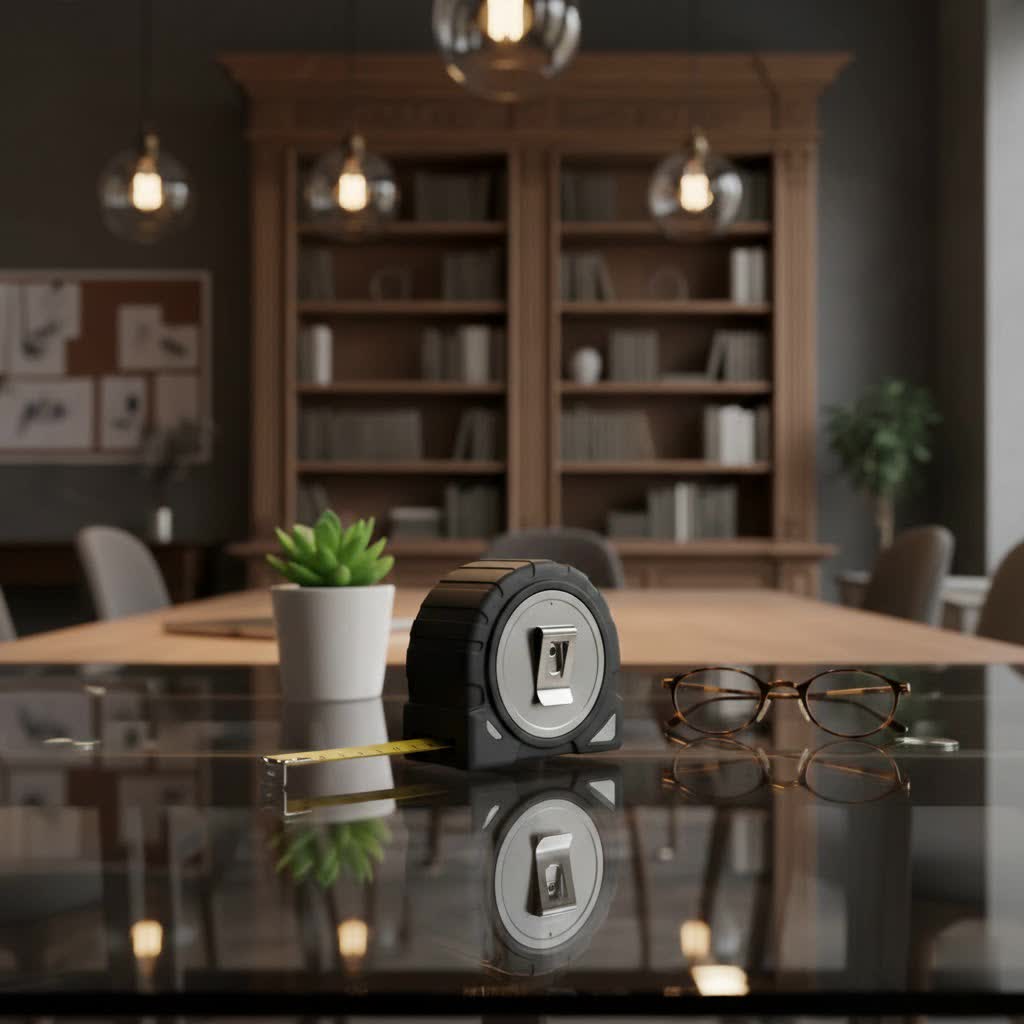
Reading a tape measure accurately involves understanding its markings, which typically include whole inches, fractions down to 1/16″, or centimeters and millimeters. This essential skill underpins precision in craftsmanship, construction, and DIY projects, ensuring successful outcomes. With over a decade of experience evaluating hundreds of models, understanding these nuances can significantly improve work quality.
What is a Tape Measure and Why is it Essential?
At its core, a tape measure is a flexible ruler used for measuring length or distance. It typically consists of a ribbon of metal, fiberglass, or cloth, marked with linear measurements. While seemingly simple, its utility is immense, making it indispensable for professionals and hobbyists alike. From measuring lumber for a new deck to finding the dimensions for custom furniture, accurate measurements are the foundation of any successful project. For expert tape measures reviews on this site.
The modern tape measure, particularly the self-retracting type commonly used in carpentry, evolved from tailor’s cloth tapes. Its rigid yet flexible metallic ribbon, which can coil for storage, was a revolutionary design, first patented by Hiram Farrand and later sold to Stanley Works.
Common Types of Tape Measures on the Market
Tape measures are categorized primarily by their material and mechanism, each suited for specific applications:
- Steel Tape Measures: The most common type, featuring a stiff, curved metal blade that maintains rigidity when extended. These are ideal for general construction, woodworking, and home improvement, offering durability and accuracy.
- Fiberglass Tape Measures: Often found in longer lengths (e.g., 100 feet or more), these are flexible and non-conductive, making them suitable for surveying, landscaping, and electrical work. They are less prone to kinking than steel tapes.
- Cloth Tape Measures: Primarily used in tailoring and fabric work due to their flexibility, allowing them to measure around curved surfaces accurately. They are typically made from fiberglass or PVC plastic.
- Digital Tape Measures: These offer an electronic display of measurements, often including conversion capabilities between imperial and metric units, enhancing speed and reducing reading errors.
- Laser Distance Measures: While not traditional “tape” measures, these electronic devices use laser technology to measure distances with high precision, especially over long ranges, without a physical tape blade.
Decoding Your Tape Measure: Imperial vs. Metric
Tape measures come in various measurement systems: Imperial (inches and feet), Metric (centimeters and millimeters), or sometimes a combination of both. Understanding how to read each is crucial for accurate work.
Reading an Imperial Tape Measure (Inches and Fractions)
In the United States, Imperial tape measures are standard, with markings typically showing feet, inches, and fractions of an inch down to 1/16″.
- Whole Inches: These are indicated by the largest, most prominent lines and bold numbers (e.g., 1, 2, 3…). Each full inch represents a major division on the tape.
- Half Inches (1/2″): The second-longest mark between two whole inches denotes the half-inch mark, precisely halfway between two full inches.
- Quarter Inches (1/4″): Halfway between a whole inch and a half-inch mark (or between a half-inch and the next whole inch) are the quarter-inch marks. There are four quarter-inch segments within each inch.
- Eighth Inches (1/8″): These marks are found halfway between quarter-inch marks. There are eight eighth-inch segments per inch.
- Sixteenth Inches (1/16″): The smallest marks on most standard tape measures represent sixteenths of an inch, with sixteen segments making up a full inch. Some tapes may even go down to 1/32″ or 1/64″.
To read a fractional measurement, identify the last whole inch, then count the fractional marks past it. For example, five small ticks past the 4-inch mark would be 4 5/16″.
Reading a Metric Tape Measure (Centimeters and Millimeters)
|
Our Picks for the Best Tape Measure in 2026
As an Amazon Associate I earn from qualifying purchases.
|
||
| Num | Product | Action |
|---|---|---|
| 1 | iBayam 2 Pack Tape Measure Measuring Tape for Body Fabric Sewing Tailor Cloth Knitting Vinyl Home Craft Measurements, 60-Inch Soft Fashion Pink & Retractable Black Double Scales Rulers for Body Weight |

|
| 2 | Milwaukee 48-22-0325 Compact Wide Blade Magnetic Tape Measures |
|
| 3 | DEWALT Atomic Compact Series 30 ft. Tape Measure (DWHT38130S) |
|
| 4 | 4-in-1 Digital Laser Tape Measure,328ft Laser Distance Meter with Cross-Line Laser,16FT AutoLock Tape,Rechargeable,Backlit LCD,Waterproof,for DIY & Construction |
|
| 5 | Amazon Basics Retractable Tape Measure with Push Button, Easy to Use, 16 Feet, Pink |
|
| 6 | GDMINLO Soft Tape Measure Double Scale Body Sewing Flexible Tailor Craft Vinyl Ruler for Weight Loss Medical Body Measurement, Has Centimetre Scale on Reverse Side 60-inch(White) |
|
| 7 | Stanley FMHT74038A FatMax 25 Foot Tape Measure 2PK |
|
| 8 | CRAFTSMAN 25-Ft Tape Measure with Fraction Markings, Retractable, Self-Locking Blade (CMHT37225) |
|
| 9 | Milwaukee Tool 48-22-7125 Magnetic Tape Measure 25 ft x 1.83 Inch, 2 Pack |
|
| 10 | Amazon Basics Self-Locking Tape Measure, MID Accuracy, 16-Feet (5-Meters), Black, Yellow |
|
Metric tape measures are more straightforward, operating on a decimal system.
- Centimeters (cm): The larger, numbered markings indicate centimeters.
- Millimeters (mm): Between each centimeter mark, there are usually nine smaller tick marks, each representing a millimeter. Since there are 10 millimeters in 1 centimeter, you read the whole centimeters and then add the millimeters as a decimal (e.g., 15 cm and 8 mm becomes 15.8 cm).
Special Markings and Features
Beyond standard measurements, many tape measures include helpful features:
- Stud Marks (Red Markings): Often found at 16-inch intervals (and sometimes 32-inch or 48-inch), these red marks indicate standard spacing for wall studs.
- Black Diamond Marks: These symbols, typically appearing every 19 3/16 inches, are used for engineered floor joist layouts.
- Foot Marks: Many tapes will clearly mark every 12 inches to denote full feet (e.g., “1F” for 1 foot, 13 inches might also be shown as “1F 1”).
- Sliding End Hook: The metal hook at the end of the tape is designed to move slightly (typically 1/16″). This crucial feature ensures accuracy for both inside measurements (where the hook is pressed against a surface, causing it to slide inward) and outside measurements (where the hook catches an edge, causing it to slide outward).
- Hook Slot: A small hole or slot in the end hook allows you to latch the tape onto a nail or screw for stability during longer measurements.
- Locking Mechanism: A sliding switch or button on the case locks the tape in place, preventing it from retracting and allowing for hands-free reading.
Key Criteria for Choosing a Tape Measure
Selecting the right tape measure can significantly impact your project’s accuracy and efficiency. Consider these factors:
Length and Accuracy
- Required Length: Short tapes (12-16 ft) are great for everyday household tasks and smaller projects. Medium tapes (25-30 ft) are workhorses for construction and woodworking. Long tapes (50-100 ft or more) are essential for large-scale outdoor projects or surveying.
- Precision: Most standard tapes measure down to 1/16 inch or 1 millimeter. For ultra-fine work, look for tapes that indicate 1/32″ or even 1/64″, though these require a keen eye to read accurately.
Material and Durability
- Blade Material: Steel blades offer excellent rigidity and longevity, often coated with nylon or polyester for added protection against wear and corrosion. Fiberglass blades are flexible and non-conductive, suitable for specific environments.
- Case Material: High-impact plastic or durable metal cases protect the internal mechanism from drops and general wear and tear.
- Environmental Resistance: Look for features like water resistance or rust protection if you’ll be working in challenging conditions.
Additional Features
- Auto-Lock: Some tapes automatically lock when extended, releasing with a button press, which is convenient for quick measurements.
- Magnetic Hook: A magnet integrated into the end hook allows it to cling to ferrous metal surfaces, ideal for working with metal studs or pipes.
- Belt Clip: A simple yet invaluable feature for keeping your tape measure readily accessible.
- Easy-Read Markings: Tapes with bold, contrasting markings, or even those that explicitly label common fractions (e.g., “1/4”, “1/2”), can significantly improve readability.
Comparative Overview of Popular Tape Measure Types
| Feature | Steel Tape Measure | Fiberglass Tape Measure | Digital Tape Measure | Laser Distance Measure |
|---|---|---|---|---|
| Material | Steel blade, plastic/metal case | Fiberglass blade, plastic case | Metal/plastic case, digital display | Plastic/metal housing, laser emitter/sensor |
| Typical Lengths | 12 ft – 35 ft | 50 ft – 300 ft | 16 ft – 30 ft (physical tape) | Up to hundreds of feet |
| Accuracy | Good (down to 1/16″ or 1mm) | Good (down to 1/16″ or 1mm) | Excellent (digital readout) | Excellent (highly precise) |
| Durability | High, but can kink or rust | Good, flexible, non-conductive | Moderate, depends on electronics | Moderate, relies on electronics |
| Best Use | Construction, woodworking, DIY | Surveying, landscaping, electrical | Quick, precise measurements, conversions | Long distances, complex layouts, single-user |
| Pros | Durable, rigid standout, widely available | Flexible, non-conductive, long reach | Easy to read, quick, versatile conversions | High accuracy over distance, fast |
| Cons | Can kink, heavy, susceptible to rust | Can stretch slightly, less rigid | Requires batteries, more fragile | No physical reference, indirect measurement |
Mastering Tape Measure Usage and Maintenance
Accurate measurements aren’t just about reading the marks; proper technique and care are equally important.
Safe and Accurate Usage Guidelines
- Maintain Alignment: Always ensure the tape is straight and flat against the surface you are measuring. Any angle can introduce errors.
- “Burn an Inch”: For maximum accuracy, especially when starting a measurement from an inside corner, begin at the 1-inch mark (or any whole inch) and subtract that initial inch from your final reading. This avoids potential inaccuracies from the end hook’s movement.
- Read Directly: Always view the measurement mark straight on, perpendicular to the tape. Looking from an angle (parallax error) can skew your reading.
- Control Retraction: Avoid letting the tape snap back at full speed. Guide it slowly and steadily back into the case to prevent damage to the blade, the hook, and your fingers.
Understanding Measurements
- Reading Fractions: Practice identifying the different length lines corresponding to 1/2, 1/4, 1/8, and 1/16 of an inch. Remember that each longer line indicates a larger fraction.
- Converting Units: Many projects require converting between feet and inches or imperial and metric. Familiarize yourself with common conversions (e.g., 1 foot = 12 inches; 1 inch = 2.54 cm).
Extending Tape Measure Lifespan
- Keep it Clean: Wipe the blade with a dry cloth after each use to remove dust and debris that can accumulate inside the case and damage the retraction mechanism.
- Check the Hook: Periodically inspect the end hook for bends or looseness. A damaged hook will lead to inaccurate measurements. Minor bends can often be corrected with pliers.
- Store Properly: Keep your tape measure in a clean, dry place, away from extreme temperatures and moisture, to prevent rust and degradation.
Where to Purchase Reliable Tape Measures
You can find quality tape measures at various retailers:
- Physical Stores: Hardware stores (e.g., Home Depot, Lowe’s), tool supply stores, and even some department stores offer a wide selection. This allows you to physically inspect the tape measure and test its features.
- Online Retailers: Websites like Amazon, specialty tool sites, and the online stores of major hardware brands provide extensive choices, often with customer reviews and competitive pricing.
- Trade Shows: For professionals, trade shows can be an excellent opportunity to discover new models, compare brands, and often get expert advice directly from manufacturers.
When buying online, always verify the seller’s reputation and read product reviews to avoid counterfeit or low-quality products.
Buying Guide: Expert Advice for Your Needs
Choosing the “best” tape measure is subjective; it’s about finding the right one for your specific tasks.
- For General Household & DIY: A 16-25 ft steel tape measure with both imperial and metric markings, a strong lock, and a durable case is often sufficient.
- For Professional Carpenters/Builders: Opt for a 25-30 ft heavy-duty steel tape with excellent standout (the distance the blade can extend horizontally without bending), clear stud and truss markings, and a robust, impact-resistant case. Brands like Stanley FatMax are popular among pros.
- For Tailoring/Fabric Work: A soft, flexible fiberglass or cloth tape measure (5-10 ft) is indispensable for contouring around fabrics and bodies.
- For Long-Distance Measurements/Surveying: A long fiberglass tape (100 ft+) or a laser distance measure offers the necessary reach and accuracy.
“A tape measure is an extension of your eye and hand. The better you understand its language, the more precise and confident your work will become.” – Admin, Reviewders.com, Measurement Technician
Avoid common pitfalls like:
- Prioritizing price over quality: A cheap tape measure often sacrifices durability and accuracy.
- Ignoring the end hook: A non-sliding or damaged hook will lead to consistent errors.
- Assuming all markings are the same: Familiarize yourself with the specific scale of your chosen tape.
Conclusion
Understanding how to read a tape measure is a fundamental skill that underpins accuracy in countless fields. From deciphering fractional inches to leveraging special markings and maintaining your tool, mastering these aspects empowers you to tackle any project with confidence. By choosing the right tape measure for your needs and employing correct techniques, you ensure that every measurement you take is precise, setting the stage for successful outcomes.
What’s the most challenging measurement you’ve ever had to take, and how did your tape measure help you conquer it?

As someone who does a lot of construction work, I can attest to how crucial accurate tape measure reading is. The explanation of why it’s essential for successful outcomes really hit home. It’s not just about knowing the numbers, but understanding how those numbers translate to a perfect fit every time. This is solid advice for anyone, pro or hobbyist.
I’ve always struggled with getting super precise measurements, especially when dealing with those tiny 1/16″ markings. This guide really broke down how to read them clearly. My last DIY project, building some shelves, went so much smoother because I finally understood the fractions better. Definitely a game-changer for my woodworking.
The section on understanding centimeters and millimeters was helpful, but I wish there was more detail on specific brands that offer dual measurements. My current tape measure only has inches, and I’m looking for one that easily switches between metric and imperial. It’s a good overview, just a little light on product recommendations.
I appreciate the focus on different types of tape measures. I’ve been using a basic metal one for years, but after reading this, I’m considering upgrading to a fiberglass one for my sewing projects. It makes sense that a more flexible material would be better for fabric. Good insights into matching the tool to the task.