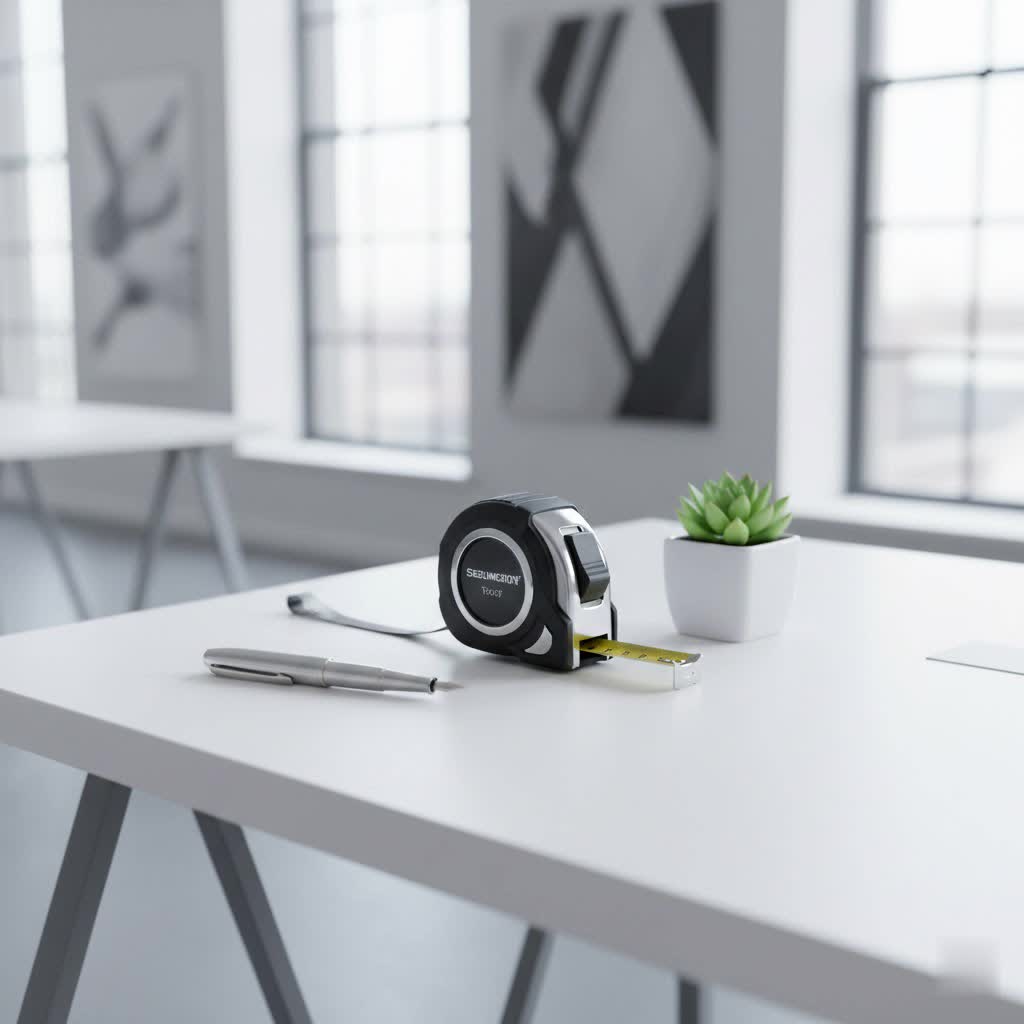
For anyone who has ever wrestled with a rigid ruler trying to measure a curved surface, the soft tape measure is a true revelation. Whether you’re a seasoned tailor, a fitness enthusiast tracking progress, or a crafter embarking on a new project, this flexible tool is an indispensable part of your kit. Unlike its stiff, metallic counterparts, a soft tape measure gracefully conforms to irregular shapes, providing accurate readings for everything from a delicate sleeve to a bicep. This guide will delve into the world of soft tape measures, exploring their essential role, different types, how to choose the best one, and expert tips for usage and care, ensuring you find the perfect companion for your precision needs.
What is a Soft Tape Measure and Why Is It Essential?
A soft tape measure is a flexible strip marked with linear measurements, typically in both inches and centimeters, designed to measure curved and irregular surfaces that traditional rigid rulers cannot handle. Imagine trying to measure a person’s waistline or the circumference of a piece of fabric with a metal tape measure – it would be cumbersome, inaccurate, and potentially uncomfortable. Soft tape measures solve this problem by offering unmatched adaptability. For browse all tape measures articles on this site.
Historically, these tapes were made from simple cloth, evolving over time to incorporate more durable and stable materials like fiberglass. Their fundamental purpose remains the same: to provide precise measurements for non-linear dimensions. This unique ability makes them absolutely essential in fields like tailoring, dressmaking, fashion design, and even in health and fitness for tracking body transformations. Without a soft tape measure, achieving the perfect fit or accurate bodily statistics would be a significantly more challenging, if not impossible, task.
Common Types and Materials of Soft Tape Measures
The world of soft tape measures might seem straightforward, but variations in material and design cater to specific needs, enhancing their functionality and durability.
Fabric/Cloth Tape Measures
These are the traditional soft tape measures, often made from woven cotton or linen. They are highly flexible and comfortable to use, making them ideal for body measurements and delicate fabrics. While gentle, they can be prone to stretching over time, which may affect accuracy, and are not as resistant to wear and tear as modern alternatives. They are often found in sewing kits and preferred by those who appreciate a classic, tactile feel.
Fiberglass Tape Measures
Today, fiberglass is the preferred material for many soft tape measures. A fiberglass core encased in a flexible plastic coating offers superior durability, resistance to stretching, and tearing compared to pure fabric. This material is also non-corrosive and non-conductive, adding to its practical advantages. While more stable than cloth, fiberglass tapes require proper tension when measuring long distances to ensure optimal accuracy, typically falling into Class III accuracy standards. They strike an excellent balance between flexibility and resilience, making them widely popular.
Retractable Soft Tape Measures
|
Our Picks for the Best Tape Measure in 2026
As an Amazon Associate I earn from qualifying purchases.
|
||
| Num | Product | Action |
|---|---|---|
| 1 | Milwaukee Tool 48-22-7125 Magnetic Tape Measure 25 ft x 1.83 Inch, 2 Pack |

|
| 2 | CRAFTSMAN 25-Ft Tape Measure with Fraction Markings, Retractable, Self-Locking Blade (CMHT37225) |
|
| 3 | Amazon Basics Self-Locking Tape Measure, MID Accuracy, 16-Feet (5-Meters), Black, Yellow |
|
| 4 | Milwaukee 48-22-0325 Compact Wide Blade Magnetic Tape Measures |
|
| 5 | iBayam 2 Pack Tape Measure Measuring Tape for Body Fabric Sewing Tailor Cloth Knitting Vinyl Home Craft Measurements, 60-Inch Soft Fashion Pink & Retractable Black Double Scales Rulers for Body Weight |
|
| 6 | Stanley FMHT74038A FatMax 25 Foot Tape Measure 2PK |
|
| 7 | 4-in-1 Digital Laser Tape Measure,328ft Laser Distance Meter with Cross-Line Laser,16FT AutoLock Tape,Rechargeable,Backlit LCD,Waterproof,for DIY & Construction |
|
| 8 | Amazon Basics Retractable Tape Measure with Push Button, Easy to Use, 16 Feet, Pink |
|
| 9 | DEWALT Atomic Compact Series 30 ft. Tape Measure (DWHT38130S) |
|
| 10 | GDMINLO Soft Tape Measure Double Scale Body Sewing Flexible Tailor Craft Vinyl Ruler for Weight Loss Medical Body Measurement, Has Centimetre Scale on Reverse Side 60-inch(White) |
|
Convenience meets functionality with retractable soft tape measures. These designs feature a flexible tape housed within a compact case, often with a push-button mechanism to retract the tape smoothly. This design prevents tangles, keeps the tape clean, and makes it incredibly portable. They are highly favored for on-the-go measurements, whether in a busy design studio or a gym bag for fitness tracking. Many models offer a lock feature to hold the measurement in place, further enhancing ease of use.
Specialized Body Measuring Tapes
Some soft tape measures are specifically engineered for body measurements. These often include features like a self-tightening mechanism, allowing you to pull the tape around a body part and lock it for a consistent, accurate reading without needing an extra hand. They might also have a specific form factor or color coding to make tracking fitness progress more intuitive. These specialized tapes are a boon for personal trainers, dieters, and anyone serious about monitoring their physical changes.
Key Factors to Consider When Choosing a Soft Tape Measure
Selecting the right soft tape measure can significantly impact the accuracy and efficiency of your work. Consider these crucial factors before making your purchase.
Length and Readability
Soft tape measures typically come in lengths ranging from 60 inches (150 cm) to 120 inches (300 cm). For general sewing and body measurements, a 60-inch tape is usually sufficient. However, for larger projects or measuring bigger individuals, a 120-inch tape provides more versatility. Beyond length, readability is paramount. Look for clear, contrasting markings (e.g., black on white, or white on black) that are easy to see at a glance. Dual scales, displaying both imperial (inches) and metric (centimeters) units, are highly advantageous for diverse projects and international patterns.
Material Durability and Accuracy
The material directly affects both durability and accuracy. While traditional cloth tapes are soft, fiberglass tapes offer enhanced resistance to stretching, tearing, and environmental factors, ensuring a longer lifespan and more consistent measurements over time. It’s important to understand that even fiberglass tapes require appropriate tension during use to maintain accuracy. Some high-quality tapes feature metal end tabs, which not only prevent fraying but also allow for a snug fit when measuring from an edge, contributing to precision.
Design and Features
Modern soft tape measures come with various design elements that can improve user experience. Retractable mechanisms are a popular choice for their neat storage and portability, preventing tangles and damage. Look for a smooth retraction system that doesn’t jam. The width of the tape can also matter; wider tapes might be easier to handle and less prone to twisting. Features like automatic locks for holding a measurement, or magnetic tips for certain applications, though less common in purely soft tapes, can be beneficial in hybrid designs.
Ergonomics and Safety
A good soft tape measure should be comfortable to hold and use for extended periods. The case of a retractable model should fit well in your hand. Unlike metal tapes that can spring back sharply and cause cuts, soft tape measures are inherently safer due to their flexible nature and lack of sharp edges. This makes them particularly suitable for measuring children or for use in environments where safety is a primary concern.
Soft Tape Measures vs. Traditional Steel Tapes: A Head-to-Head Comparison
Understanding the fundamental differences between soft and steel tape measures is crucial for choosing the correct tool for the job.
| Feature | Soft Tape Measure | Traditional Steel Tape Measure |
|---|---|---|
| Flexibility | Highly flexible; conforms to curves and irregular shapes | Rigid; designed for straight-line measurements |
| Accuracy | Good for contours; typically Class III (fiberglass) but can be affected by tension | Very high for straight lines; typically Class II; resistant to stretch/compression |
| Durability | Good (fiberglass), prone to wear (cloth); less resistant to crushing or sharp bends | Excellent; highly resistant to damage, though can kink or rust |
| Best Use Cases | Tailoring, sewing, body measurements, crafts, curved surfaces | Construction, carpentry, DIY projects, surveying, measuring long, straight distances |
| Length | Typically shorter (60-120 inches / 150-300 cm) | Much longer options available (up to 100 feet / 50 meters) |
| Safety | Very low risk of injury (no sharp edges or violent retraction) | Can cause cuts if mishandled during retraction |
| Portability | Easily folded, rolled, or retracted into small cases | Retracts into a sturdy case, often with belt clip |
How to Use and Maintain Your Soft Tape Measure for Optimal Results
Even the best soft tape measure can give inaccurate readings if not used and maintained correctly.
Accurate Measurement Techniques
When measuring a body part, ensure the tape lies flat against the skin without digging in or being too loose. For circumferential measurements, bring the tape ends together, making sure the tape is parallel to the floor or the intended line of measurement. When measuring fabric, lay it flat on a stable surface and follow the natural drape of the material. Always apply consistent, gentle tension to fiberglass tapes to prevent stretching that could lead to inaccurate readings.
Reading Measurements
Most soft tape measures feature markings in both imperial and metric units. Familiarize yourself with both. Imperial measurements often include markings for 1/8, 1/4, 1/2, and whole inches. Metric measurements are typically in millimeters and centimeters. Read the measurement by aligning the edge of the item being measured with the corresponding mark on the tape. For body measurements, read the number where the tape overlaps itself, ensuring it’s snug but not constricting.
Care and Storage Tips
Proper care extends the life and accuracy of your soft tape measure. Avoid sharply creasing or bending the tape, especially fiberglass ones, as this can damage the fibers and compromise its integrity. Keep your tape measure clean by wiping it with a damp cloth if it gets dirty; avoid harsh chemicals that could degrade the material or fade the markings. Store retractable tapes in their cases when not in use to prevent tangles and keep them protected. For non-retractable tapes, rolling them neatly or folding them without sharp creases is best. Protecting your tape from extreme temperatures and moisture will also help maintain its condition over time.
Where to Buy Reliable Soft Tape Measures
Finding a high-quality soft tape measure is crucial for dependable results. You have several avenues for purchase, each with its advantages and considerations.
For immediate needs and the ability to physically inspect the product, local craft stores, fabric shops, and even some department stores are excellent options. Here, you can feel the material, check the clarity of the markings, and test any retractable mechanisms before buying. This hands-on approach helps ensure the quality meets your expectations.
Online retailers offer a vast selection, often at competitive prices, with the convenience of home delivery. Major e-commerce platforms and specialized sewing or fitness supply websites are great places to start. When buying online, always read product descriptions carefully, paying attention to material, length, scale, and customer reviews. Look for reputable sellers with strong return policies.
Regardless of where you shop, be wary of extremely cheap products that might indicate low quality materials or inaccurate markings. Counterfeit or poorly manufactured tape measures can lead to frustrating errors in your projects. Invest in a tape measure from a known brand or a seller with a good reputation for accuracy and durability to ensure you get a reliable tool that will last.
Buying Guide: Expert Advice for Your Perfect Soft Tape Measure
Choosing the perfect soft tape measure doesn’t have to be complicated. As an expert with years of experience, I’ve found that the best choice boils down to understanding your primary use and prioritizing key features.
If your main purpose is tailoring, dressmaking, or general sewing, prioritize a fiberglass tape measure with clear, dual-sided markings (inches and centimeters). A length of 60 to 120 inches is ideal. Consider a retractable model for easy storage in your sewing kit.
For fitness and body measurements, look for a specialized body tape measure with a self-tightening or locking mechanism. This ensures consistent tension and effortless, accurate readings of your circumference measurements. Durability against stretching is also key here, making fiberglass an excellent choice.
If you’re involved in various crafts or DIY projects that require measuring irregular shapes, a durable fiberglass tape, possibly retractable, will serve you well. Focus on readability and a length that suits the scale of your usual projects.
One common mistake to avoid is assuming all soft tapes are equally accurate. While inherently flexible, cheaper cloth tapes can stretch over time, compromising precision. Always opt for fiberglass for better stability. Another error is not checking the clarity and permanence of the markings; faded numbers render a tape measure useless.
“A truly great soft tape measure isn’t just a tool; it’s an extension of your precision. Always prioritize readability and material stability, especially if consistent accuracy is paramount to your craft or health journey.” – Admin, Reviewders.com, Measurement Technician
By keeping your specific needs in mind and focusing on material quality, clear markings, and convenient features, you’ll easily find a soft tape measure that becomes an invaluable asset in your toolkit.
Conclusion
The soft tape measure, with its unparalleled flexibility and precision, stands as an indispensable tool for anyone working with curves and contours. From the delicate artistry of tailoring to the rigorous tracking of fitness goals, its ability to conform where rigid rulers fail makes it truly unique. By understanding the different materials like fiberglass, recognizing the importance of clear markings and appropriate length, and adopting proper usage and care techniques, you can ensure your measurements are always accurate and your projects are executed flawlessly.
Embrace the flexibility and discover the difference a high-quality soft tape measure can make in your work and daily life. What incredible creations or personal achievements will your next precise measurement unlock?
Frequently Asked Questions
Are soft tape measures accurate?
Yes, soft tape measures can be very accurate, especially those made from fiberglass which resists stretching. While generally not as precise for long, straight distances as steel tapes, they excel at accurately measuring curved and irregular surfaces, which is their primary purpose. Their accuracy is sufficient for tailoring, body measurements, and crafts.
What are soft tape measures made of?
Soft tape measures are primarily made from flexible materials like cloth, plastic, or, most commonly today, fiberglass. Fiberglass tapes offer a good balance of flexibility and durability, resisting stretching and tearing better than pure cloth, ensuring more consistent measurements over time.
How long are soft tape measures typically?
Soft tape measures commonly come in lengths of 60 inches (approximately 150 centimeters) or 120 inches (approximately 300 centimeters). The 60-inch version is popular for general sewing and body measurements, while the longer 120-inch tape provides extended reach for larger projects or individuals.
Can I use a soft tape measure for construction?
While a soft tape measure can provide a rough estimate for some curved elements in construction, it is generally not suitable for typical construction tasks. Construction usually requires rigid steel tape measures for measuring long, straight distances and ensuring the high level of accuracy and durability needed for building and structural work.
Pet products vetted on real animals
Practical specs, not advice. Unsubscribe anytime.
