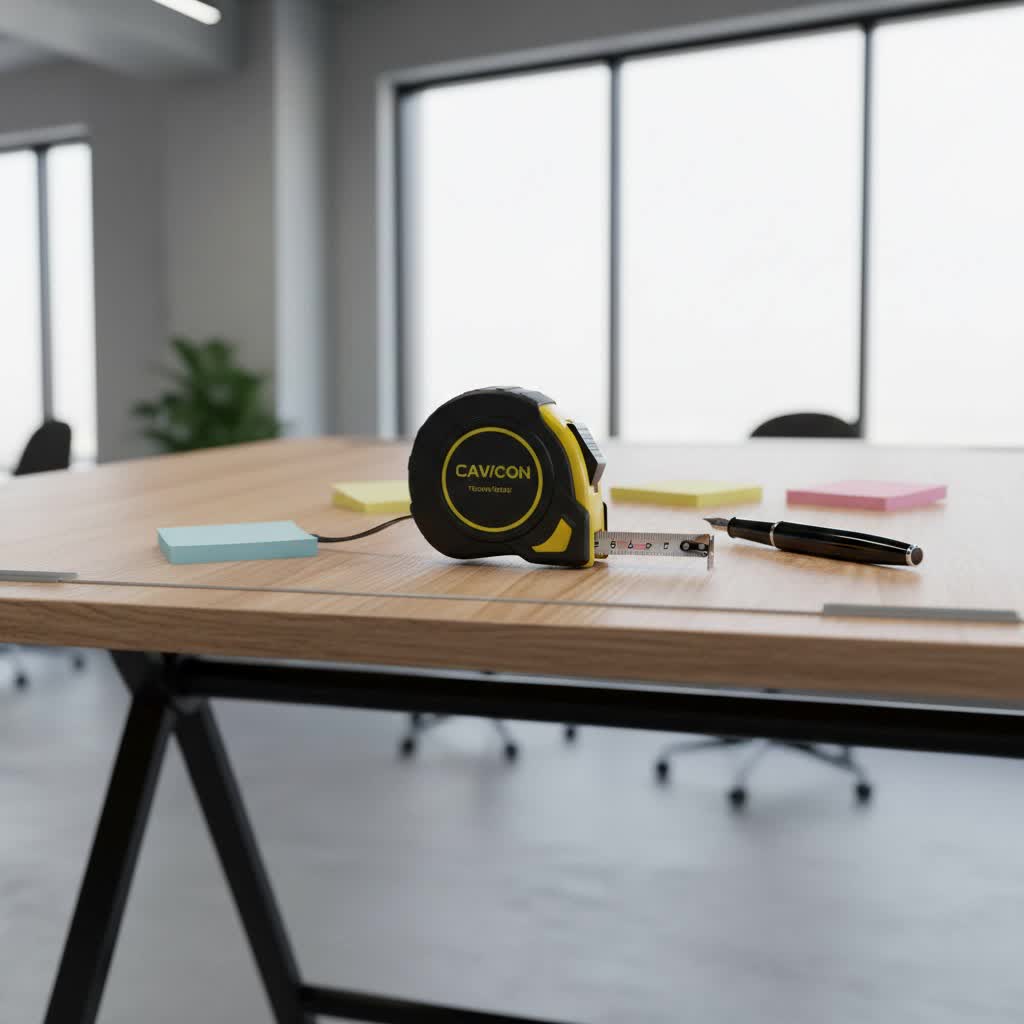
Have you ever found yourself in a situation where you urgently needed to measure something, only to realize your large, cumbersome tape measure was nowhere in sight? It’s a common dilemma for DIY enthusiasts, crafters, tailors, and even those just trying to gauge if a new piece of furniture will fit. This is where the unsung hero of measurement tools, the mini tape measure, steps in. Designed for ultimate portability and convenience, these compact tools ensure you’re always ready to get precise dimensions, no matter where you are.
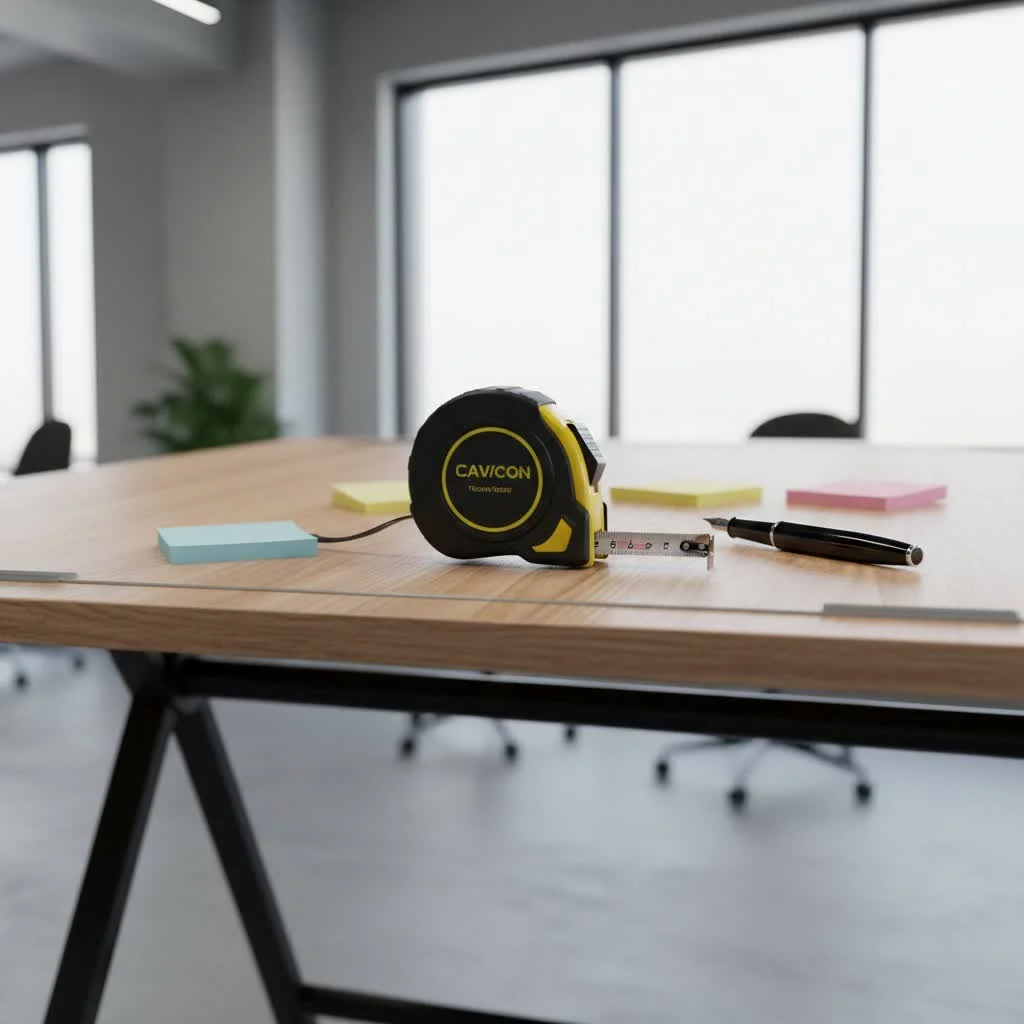
In this comprehensive guide, we’ll dive deep into the world of mini tape measures. We’ll explore what makes them indispensable, highlight their various types and applications, discuss the crucial factors to consider when making a purchase, and provide expert advice to help you find the perfect pocket-sized partner for your measuring needs. For see our tape measures recommendations on this site.
What is a Mini Tape Measure and Why Do You Need One?
A mini tape measure is, at its core, a scaled-down version of a traditional tape measure, engineered for portability and ease of access. Unlike their larger counterparts, these tools are built to fit comfortably in a pocket, purse, toolkit, or even attach to a keychain, making them ideal for “everyday carry” (EDC). Their primary purpose is to provide quick, accurate measurements in situations where a standard tape measure would be overkill or simply too inconvenient.
The concept of a flexible measuring device dates back centuries, with modern retractable tape measures appearing in the mid-19th century. The evolution into “mini” versions reflects a growing need for tools that balance functionality with discreet, on-the-go utility. You need one because life often presents unexpected measuring tasks, from checking luggage dimensions before a flight to sizing up a small craft project, and a mini tape measure ensures you’re never caught unprepared.
Popular Types of Mini Tape Measures and Their Applications
The world of mini tape measures offers diverse options, each tailored for specific uses. Understanding these types will help you choose the best tool for your tasks.
Mini Steel Tape Measures
These are essentially smaller versions of the robust tape measures commonly found in construction and DIY. They feature a rigid, metallic blade, usually made of steel, housed within a compact case.
- Characteristics: Durable metal blade, typically 3 to 6 feet (1 to 2 meters) in length, often with a sturdy plastic or metal case. They usually have a locking mechanism to hold the blade extended.
- Pros: Excellent durability, good for straight-line measurements, robust for general utility.
- Cons: Less flexible for curved surfaces, can be heavier than other mini types.
- Applications: Small DIY repairs, assembling flat-pack furniture, quick checks in a workshop, measuring small components or distances in engineering.
Mini Cloth/Fiberglass Tape Measures
|
Our Picks for the Best Tape Measure in 2026
As an Amazon Associate I earn from qualifying purchases.
|
||
| Num | Product | Action |
|---|---|---|
| 1 | Amazon Basics Self-Locking Tape Measure, MID Accuracy, 16-Feet (5-Meters), Black, Yellow |

|
| 2 | iBayam 2 Pack Tape Measure Measuring Tape for Body Fabric Sewing Tailor Cloth Knitting Vinyl Home Craft Measurements, 60-Inch Soft Fashion Pink & Retractable Black Double Scales Rulers for Body Weight |
|
| 3 | Milwaukee 48-22-0325 Compact Wide Blade Magnetic Tape Measures |
|
| 4 | DEWALT Atomic Compact Series 30 ft. Tape Measure (DWHT38130S) |
|
| 5 | Milwaukee Tool 48-22-7125 Magnetic Tape Measure 25 ft x 1.83 Inch, 2 Pack |
|
| 6 | Stanley FMHT74038A FatMax 25 Foot Tape Measure 2PK |
|
| 7 | 4-in-1 Digital Laser Tape Measure,328ft Laser Distance Meter with Cross-Line Laser,16FT AutoLock Tape,Rechargeable,Backlit LCD,Waterproof,for DIY & Construction |
|
| 8 | CRAFTSMAN 25-Ft Tape Measure with Fraction Markings, Retractable, Self-Locking Blade (CMHT37225) |
|
| 9 | GDMINLO Soft Tape Measure Double Scale Body Sewing Flexible Tailor Craft Vinyl Ruler for Weight Loss Medical Body Measurement, Has Centimetre Scale on Reverse Side 60-inch(White) |
|
| 10 | Amazon Basics Retractable Tape Measure with Push Button, Easy to Use, 16 Feet, Pink |
|
Designed with flexibility in mind, these tapes are crafted from soft, pliable materials like fiberglass or cloth, making them perfect for non-rigid measurements.
- Characteristics: Flexible, non-stretchable fabric or fiberglass blade, typically 3 to 6 feet (1 to 2 meters) long, housed in a small, often round, retractable case.
- Pros: Ideal for measuring curved or irregular surfaces, safe on delicate materials, lightweight.
- Cons: Not suitable for heavy-duty use, can stretch slightly over time with poor quality materials, susceptible to cuts.
- Applications: Sewing, tailoring, fashion design, body measurements for fitness or clothing, crafting projects with fabric or soft materials.
Mini Keychain Tape Measures
These are the epitome of portability, designed to be attached to your keys or tucked into the smallest compartments.
- Characteristics: Extremely compact, often 1 to 3 feet (30 cm to 1 meter) in length, typically featuring a small, lightweight case with a keyring attachment.
- Pros: Maximum portability, always accessible, incredibly lightweight.
- Cons: Shorter measuring range, sometimes less durable due to ultra-compact design, may lack advanced features like robust locks.
- Applications: Impromptu measurements while shopping, quick checks on the go, emergency measurements for small items.
Mini Digital/Laser Tape Measures (Niche Mention)
While not as common in the “mini” category as their larger counterparts, some highly compact digital or laser distance measurers exist for specialized needs.
- Characteristics: Electronic display, highly accurate, some employ laser technology for non-contact measurement.
- Pros: High precision, easy digital readout, can store measurements, some advanced functions.
- Cons: Battery-dependent, typically higher cost, might not fit the “tape” measure definition for all users.
- Applications: Precision crafting, small architectural details, or any task requiring very specific, easily readable measurements in a compact form.
Key Factors to Consider When Choosing a Mini Tape Measure
Selecting the right mini tape measure involves more than just picking the smallest one. Consider these crucial factors to ensure your choice aligns with your specific needs.
Length and Accuracy
The most obvious consideration is how much you need to measure.
- Length Required: Mini tape measures typically range from 3 feet (1 meter) to about 12-16 feet (3-5 meters). For quick personal measurements, a 3-foot keychain tape might suffice. Crafting or sewing often benefits from 5-6 feet. For light DIY, a 10 or 12-foot compact model offers more versatility without being overly bulky.
- Accuracy Standards: Reputable mini tape measures will offer reliable accuracy, often within ±1/16 inch (or +/- 1mm for metric). For professional tasks, always confirm the tool meets industry standards. Ensure the markings are clear and easy to read, with both imperial (inches, feet) and metric (centimeters, meters) units being a common and highly useful feature.
Material and Durability
The construction materials dictate how well your mini tape measure will withstand regular use.
- Case Material:
- ABS Plastic: Lightweight and common, offering good impact resistance.
- Stainless Steel/Titanium: Extremely durable, premium options that resist corrosion and wear, perfect for rugged environments or frequent use.
- Blade Material:
- Steel: Found in rigid mini tapes, offers stiffness and durability. Often coated (e.g., nylon) for added wear and rust resistance.
- Fiberglass/Cloth: Used in flexible tapes, chosen for pliability. Look for non-stretch, heavy-duty options for better longevity.
- Resistance: If your work involves water or humidity, consider models with water and rust-resistant features. Impact resistance is key for any tool that might be dropped frequently.
Essential Features
Even in a mini package, certain features can significantly enhance usability.
- Blade Lock: A reliable lock mechanism is paramount for holding the blade at a specific length, freeing your hands for marking or positioning.
- Magnetic Hook: While less common on the smallest tapes, a magnetic end hook can be incredibly useful for attaching to metallic surfaces, allowing for single-handed measurements.
- Keychain or Belt Clip: For true portability, a robust keychain attachment or a secure belt clip ensures your mini tape measure is always within reach.
- Automatic Retraction: Most mini tapes feature spring-loaded automatic retraction, which is convenient but ensure it’s smooth and controlled to prevent blade damage.
- Clear Markings: High-contrast markings, sometimes with fractional increments, make reading measurements faster and reduce errors.
Top Mini Tape Measure Picks: A Comparative Overview
Choosing the “best” mini tape measure depends on your specific needs, but we can categorize top performers by their strengths.
| Type | Ideal Length | Key Materials | Standout Features | Best For |
|---|---|---|---|---|
| Heavy-Duty Mini Steel | 6-12 ft (2-3.6 m) | Steel blade, ABS/Metal case | Strong blade lock, durable hook | Light DIY, workshop, minor construction |
| Flexible Fabric/Fiberglass | 5-6 ft (1.5-2 m) | Fiberglass blade, ABS case | Flexible for curves, soft touch | Sewing, tailoring, body measurements, crafting |
| Ultra-Compact Keychain | 3-6 ft (1-2 m) | Steel blade, Metal/Plastic case | Keychain ring, minimal size | Everyday carry, shopping, emergency checks |
| Digital/Laser Mini | Varies (up to 30 ft) | Plastic, Electronic components | Digital display, high accuracy | Precision crafting, tech-oriented users |
Heavy-duty mini steel tapes offer robustness for small construction or workshop tasks, proving their worth where a larger tool is impractical. Flexible fabric tapes are indispensable for anyone working with textiles or needing to measure around curves. For ultimate convenience, the ultra-compact keychain versions ensure you always have a measuring tool, however short its range. Digital options cater to a niche seeking maximum precision and ease of reading.
“A mini tape measure isn’t just about its size; it’s about expanding your capability. It’s the difference between guessing and knowing, precisely when and where you need it most.” – Alex V., Seasoned Tools Reviewer
How to Use and Maintain Your Mini Tape Measure Effectively
To get the most out of your mini tape measure and ensure its longevity, proper usage and maintenance are key.
Using Safely and Accurately
- Proper Grip: Hold the case firmly. When measuring distances, pull the blade steadily without kinking it.
- Reading Markings: Familiarize yourself with both imperial (feet, inches, fractions) and metric (meters, centimeters, millimeters) scales. Pay close attention to the smallest increments for precise readings.
- Inside vs. Outside Measurement: Remember that the metal hook at the end of a steel tape measure is designed to compensate for its thickness. For outside measurements, hook it to the edge. For inside measurements, push the end of the tape against a surface, and add the case’s length (usually marked on the case) to the reading.
- Avoid Kinks: Do not over-extend a steel blade or twist it, as this can cause permanent bends and compromise accuracy. For flexible tapes, avoid sharp folds.
Care and Storage
- Keep Clean and Dry: Dirt and moisture can corrode metal blades or damage flexible tapes. Wipe your tape measure clean after use, especially if it’s been exposed to dust or liquids.
- Full Retraction: Always fully retract the blade into its case when not in use. This protects the blade from damage and keeps it clean.
- Avoid Extreme Conditions: Prolonged exposure to extreme heat or cold can affect the materials and mechanisms of your tape measure.
- Regular Inspection: Periodically check the blade for kinks, tears, or faded markings. Inspect the case for cracks and ensure the lock mechanism (if present) is functioning smoothly. A damaged tape measure can lead to inaccurate readings and should be replaced.
Where to Buy Reliable Mini Tape Measures
Finding a quality mini tape measure is easier than ever, with various purchasing avenues available.
- Online Retailers: Platforms like Amazon, Etsy (for custom/unique designs), and specialty tool websites (e.g., McMaster-Carr for industrial-grade) offer a vast selection.
- Pros: Wide variety of brands and models, competitive pricing, customer reviews for guidance.
- Cons: Can’t physically inspect the product, potential for shipping delays or incorrect items.
- Brick-and-Mortar Stores: Hardware stores (Home Depot, Lowe’s), craft supply stores (Jo-Ann, Hobby Lobby), and even some general merchandise stores will carry mini tape measures.
- Pros: Ability to see and feel the product before buying, immediate purchase, knowledgeable staff.
- Cons: Limited selection compared to online, prices may be slightly higher.
- Tips for Avoiding Counterfeits: Stick to reputable brands and sellers. Check for official branding, read customer reviews carefully, and be wary of deals that seem too good to be true, especially on third-party marketplaces. A good return policy is also a strong indicator of a trustworthy seller.
Expert Advice: Making the Smart Choice for Your Needs
Choosing the ideal mini tape measure isn’t just about finding the cheapest or smallest option; it’s about optimizing for your personal use case.
The key is to prioritize your most common measuring scenarios. If you’re a tailor, flexibility and metric markings are paramount. If you’re a hobbyist who tinkers with electronics, a durable, short steel tape with imperial fractions might be more useful. Don’t sacrifice essential features for a marginally smaller size if it compromises functionality.
Common Mistakes to Avoid:
- Underestimating Length Needs: Buying a 3-foot tape for tasks that regularly require 5-6 feet. Always consider the maximum plausible measurement you might need.
- Neglecting Durability: Opting for cheap plastic models that won’t withstand accidental drops if you intend to use it frequently or in rugged environments.
- Ignoring Readability: Small print or low-contrast markings can lead to measurement errors and frustration, especially in dim lighting.
- Overlooking Special Features: A simple blade lock or a keychain loop can make a huge difference in convenience and efficiency.
Ultimately, your mini tape measure should feel like a natural extension of your hand, ready to perform when called upon.
Conclusion
From unexpected DIY fixes to precise crafting, the mini tape measure stands as an indispensable tool in our daily lives. Its compact size belies its immense utility, offering the precision and convenience needed for a myriad of tasks. Whether you opt for the robust simplicity of steel, the flexible grace of fabric, or the ultimate portability of a keychain model, choosing wisely means empowering yourself with accuracy on the go.
By considering factors like length, material, and essential features, you can confidently select a mini tape measure that truly fits your lifestyle and work. Don’t let its small stature fool you; this unassuming tool can prevent countless measurement mishaps and make everyday tasks significantly smoother.
What unexpected measurement challenge has a mini tape measure helped you conquer?
Frequently Asked Questions
How long is a typical mini tape measure?
Mini tape measures vary in length, but they commonly range from 3 feet (about 1 meter) for ultra-compact keychain versions to 10 or 12 feet (around 3 to 3.6 meters) for more versatile, compact utility models. The ideal length depends entirely on your intended use.
Can I use a mini tape measure for carpentry?
While some heavy-duty mini steel tape measures up to 12 feet can be used for small carpentry tasks, they are generally not suitable for large-scale construction or framing due to their limited length and smaller blade width. For serious carpentry, a standard 25-foot
Pet products vetted on real animals
Practical specs, not advice. Unsubscribe anytime.
