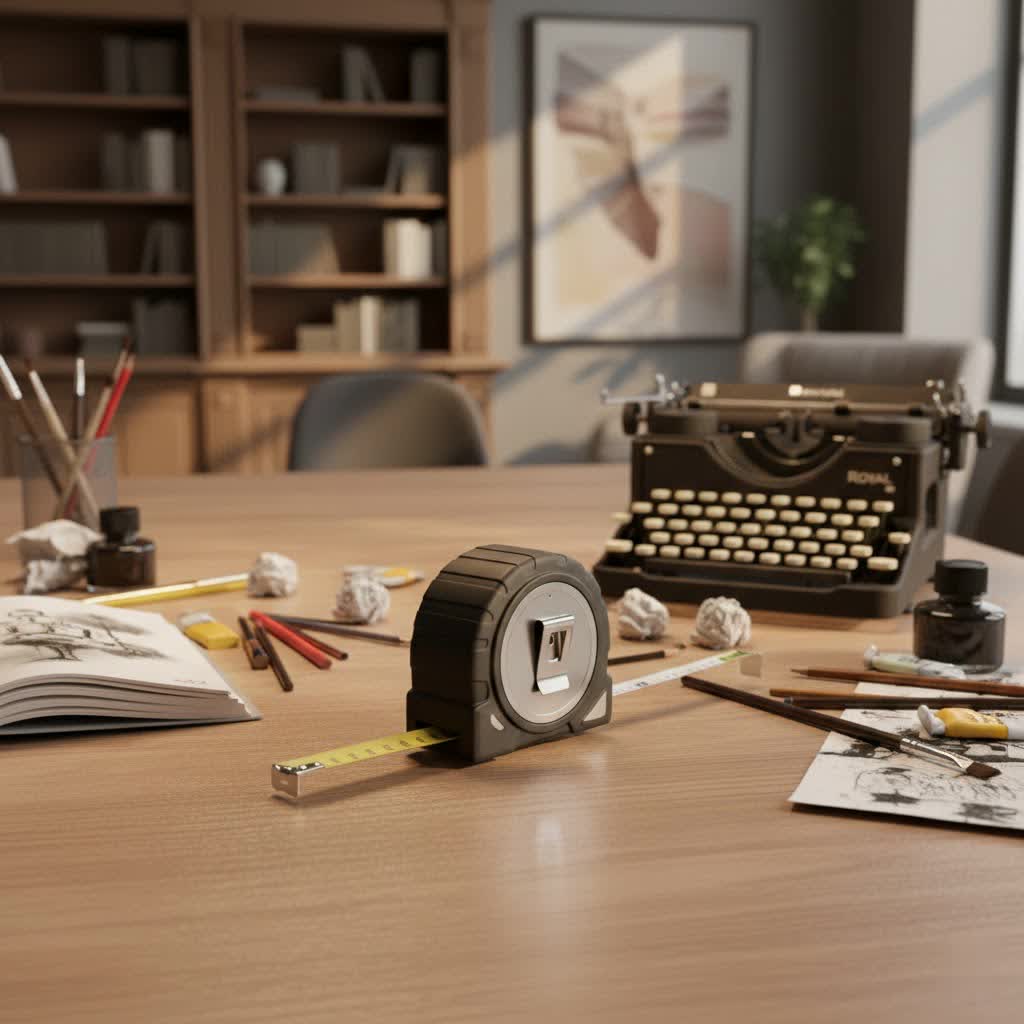
A metric tape measure is a flexible ruler that uses the metric system (millimeters, centimeters, and meters) to gauge length and distance, essential for precision in various applications from DIY to professional construction. These tools are crucial for providing accurate and consistent measurements, preventing costly errors in projects requiring precise dimensions. Modern metric tape measures typically feature a strip of plastic, steel, or fiberglass with clear linear graduations, often in black and red on a yellow background for optimal readability.
What is a Tape Measure? Why is it Essential?
At its core, a tape measure is a flexible ruler designed to gauge length and distance. It’s a ubiquitous tool across countless industries and applications, from intricate dressmaking to large-scale engineering and construction projects. While the basic concept has existed since Roman times, with early versions being marked strips of leather, modern tape measures have evolved significantly in design and functionality. Today, they typically feature a strip of plastic, steel, or fiberglass with clearly marked linear graduations, usually in black and red on a yellow background for optimal readability.
The essence of a tape measure’s importance lies in its ability to provide accurate and consistent measurements, which are foundational to any project requiring precise dimensions. Without it, everything from furniture assembly to building foundations would be guesswork, leading to costly errors and inefficiencies.
Popular Types of Tape Measures and Their Applications
The diverse range of tasks requiring measurement has led to the development of various tape measure types, each suited to specific environments and applications. Understanding these differences is key to choosing the right tool.
- Steel Tape Measures: These are the most common type for general construction, carpentry, and woodworking. Known for their durability and rigidity, steel blades resist stretching and maintain accuracy over time. They are often coated with nylon or lacquer for protection against rust and wear.
- Fiberglass Tape Measures: Offering more flexibility than steel, fiberglass tapes are ideal for measuring curved or irregular surfaces, such as around a person for tailoring, or for surveying uneven terrain. They are also non-conductive, making them safer for use around electrical hazards. While less prone to rust, they can stretch if excessive force is applied, which may affect accuracy.
- Laser Tape Measures: These modern tools eliminate the need for a physical blade, using a laser beam to calculate distances. They offer high precision and are excellent for measuring long distances quickly and efficiently, particularly in professional engineering and industrial settings. Many feature digital displays for easy readout.
- Digital Tape Measures: Similar to traditional retractable tapes but equipped with an integrated digital display, these tapes minimize human error in reading measurements. They often provide quick, precise readouts and can sometimes offer additional functionalities like measurement storage or unit conversion.
Key Criteria for Choosing a Tape Measure
|
Our Picks for the Best Tape Measure in 2026
As an Amazon Associate I earn from qualifying purchases.
|
||
| Num | Product | Action |
|---|---|---|
| 1 | Stanley FMHT74038A FatMax 25 Foot Tape Measure 2PK |

|
| 2 | Milwaukee 48-22-0325 Compact Wide Blade Magnetic Tape Measures |
|
| 3 | Amazon Basics Retractable Tape Measure with Push Button, Easy to Use, 16 Feet, Pink |
|
| 4 | Milwaukee Tool 48-22-7125 Magnetic Tape Measure 25 ft x 1.83 Inch, 2 Pack |
|
| 5 | 4-in-1 Digital Laser Tape Measure,328ft Laser Distance Meter with Cross-Line Laser,16FT AutoLock Tape,Rechargeable,Backlit LCD,Waterproof,for DIY & Construction |
|
| 6 | CRAFTSMAN 25-Ft Tape Measure with Fraction Markings, Retractable, Self-Locking Blade (CMHT37225) |
|
| 7 | Amazon Basics Self-Locking Tape Measure, MID Accuracy, 16-Feet (5-Meters), Black, Yellow |
|
| 8 | GDMINLO Soft Tape Measure Double Scale Body Sewing Flexible Tailor Craft Vinyl Ruler for Weight Loss Medical Body Measurement, Has Centimetre Scale on Reverse Side 60-inch(White) |
|
| 9 | iBayam 2 Pack Tape Measure Measuring Tape for Body Fabric Sewing Tailor Cloth Knitting Vinyl Home Craft Measurements, 60-Inch Soft Fashion Pink & Retractable Black Double Scales Rulers for Body Weight |
|
| 10 | DEWALT Atomic Compact Series 30 ft. Tape Measure (DWHT38130S) |
|
Selecting the ideal tape measure involves considering several critical factors that impact its suitability for your specific tasks.
Length and Accuracy
The required length of your tape measure should directly correspond to the scale of your work. Short pocket tapes, typically 1 to 5 meters, are perfect for everyday DIY, sewing, or small home projects. For professional engineering or surveying, long tapes or laser measures can extend up to 100 meters or more.
Accuracy is paramount, especially for professional applications. Tape measures are classified by the European Committee (EC) into three classes based on their precision:
- EC Class I: These are the most accurate tapes, with a maximum error of ±1.10 mm over a 10-meter length. They are essential for precision-critical work.
- EC Class II: Offering slightly less precision, these tapes have a maximum error of ±2.30 mm over 10 meters. They are suitable for most general construction and trade tasks, striking a good balance between cost and reliability.
- EC Class III: With a maximum error of ±4.60 mm over 10 meters, these are the least accurate. They are generally fine for tasks where a few millimeters of difference won’t significantly impact the overall project.
For metric tape measures, measurements are expressed in meters (m), centimeters (cm), and millimeters (mm), adhering to the globally prevalent metric system.
Material and Durability
The material of both the tape’s casing and its blade significantly influences its durability and performance.
- Casing Material: Housings are commonly made from robust plastics or metals. Metal housings typically offer superior protection against drops and heavy use, while plastic can make the tool lighter. Some casings also feature rubberized overmolds for enhanced grip and shock absorption.
- Blade Material: Steel blades are known for their strength and resistance to stretching, making them suitable for demanding environments. Fiberglass blades, conversely, provide flexibility and are non-conductive, ideal for measuring curves or in electrical work. Look for blades with anti-rust coatings or multiple layers of protective lacquer for extended lifespan.
- Resistance: Consider tapes with features like impact resistance, water resistance, and anti-corrosion properties if you work in harsh conditions or outdoors.
Additional Features
Modern tape measures come with a variety of features that can greatly enhance usability:
- Automatic Blade Lock (Auto-Lock): This feature keeps the blade extended at the desired length without needing to hold a button, allowing for hands-free measurement and marking.
- Magnetic Hook: A magnetic end hook securely attaches to ferrous metal surfaces, making one-person measurements much easier, especially when working with steel studs or pipes.
- Belt Clip: A sturdy belt clip allows for convenient carrying, keeping the tape measure readily accessible.
- LED/Digital Display: Found on digital and laser tape measures, an LED or LCD screen provides clear, precise readouts, reducing the chance of reading errors.
- Standout: This refers to how far the blade can extend horizontally before bending. A good standout is crucial for unsupported measurements, especially across wider spans.
Comparison Table of Popular Tape Measure Types
| Feature / Type | Steel Tape Measure | Fiberglass Tape Measure | Laser Tape Measure | Digital Tape Measure |
|---|---|---|---|---|
| Material | High-carbon steel, protective coating | Woven fiberglass, vinyl coating | Electronics, plastic/metal housing | Steel blade, plastic/metal housing, digital components |
| Durability | Very High (resists bending/stretching) | Moderate (flexible, can stretch under force) | High (no physical tape to damage) | High (similar to steel tape with added tech) |
| Accuracy | EC Class I or II | EC Class II or III | High (often superior for long distances) | High (digital readout reduces human error) |
| Applications | Construction, carpentry, DIY | Surveying, tailoring, electrical work | Large construction, complex layouts | General DIY, precise projects, quick reads |
| Key Advantage | Robust, consistent measurements | Flexible, non-conductive | Speed, long-distance precision | Easy-to-read, minimal interpretation error |
| Common Lengths (m) | 3m, 5m, 8m, 10m | 10m, 20m, 30m, 50m | Up to 100m+ | 3m, 5m, 8m |
How to Use and Maintain Your Tape Measure Correctly
Even the best tape measure is only as good as its user. Proper technique and maintenance ensure accuracy and longevity.
Using a metric tape measure involves recognizing its distinct markings: large numbered lines typically indicate centimeters (cm), with smaller lines representing millimeters (mm). There are 10 millimeters in every centimeter. To read a measurement, extend the tape, hook the end onto your starting point, and extend it to your endpoint. Note the last full centimeter mark, then count the smaller millimeter lines beyond it. For example, if you read 25 centimeters and then 6 small lines, your measurement is 25.6 cm or 256 mm. For inside measurements, remember the hook at the end is designed to slide; its thickness is compensated for when pushed against a surface.
“A common mistake many make is pulling too hard on fiberglass tapes, which can cause them to stretch, leading to inaccurate readings. Always apply gentle, consistent tension.”
To prolong the life of your tape measure:
- Cleanliness: Wipe the blade clean after use, especially if it’s been exposed to dirt or moisture.
- Lubrication: Occasionally, apply a light oil to the blade and recoil mechanism to keep it running smoothly.
- Controlled Retraction: Avoid letting the blade snap back uncontrolled, as this can damage the hook or the edges of the tape. Many tapes have a controlled recoil mechanism or a finger brake.
- Storage: Store your tape measure in a dry place, away from extreme temperatures, to prevent material degradation.
Where to Buy Reliable and Quality Tape Measures?
Investing in a quality metric tape measure is vital. You can find reliable options at specialized hardware stores, professional tool suppliers (both physical and online), and reputable e-commerce platforms. Stores like RS Components, for instance, offer a wide range of certified instruments.
When purchasing online, while you gain access to a broader selection and often competitive pricing, you lose the ability to physically inspect the tool. Always prioritize suppliers with good reviews and clear product specifications, including accuracy class. Be wary of unbranded or suspiciously cheap “Class I” or “Class II” tapes from uncertified sources, as counterfeits can be prevalent, failing to meet advertised accuracy standards. Look for official certifications like CE (EU), NIST (USA), or JCSS (Japan) markings where applicable, especially for professional-grade tools.
Buying Guide: Expert Advice
As an expert who has reviewed hundreds of tape measures, I can offer a few key pieces of advice to guide your purchase.
First, match the tape measure to the task. A carpenter needs a robust, high-standout steel tape, while a tailor requires a flexible, non-stretch fiberglass tape. Don’t overspend on a Class I precision tape if your work only demands Class II accuracy, but never compromise on a project that requires utmost exactitude.
Second, prioritize durability. A tape measure will inevitably be dropped, exposed to dust, and used repeatedly. Look for impact-resistant casings, durable blade coatings, and robust hooks that are securely riveted. These features might add to the cost, but they represent a wise long-term investment.
Finally, consider ergonomic design and ease of use. Features like a comfortable grip, easy-to-read markings (bold numbers, clear graduations), and smooth locking/retraction mechanisms significantly improve the user experience and can enhance accuracy by reducing fatigue and fumbling. Don’t underestimate the value of a tape measure that feels good in your hand.
Conclusion
A metric tape measure is more than just a tool; it’s a gateway to precision, efficiency, and successful projects. By understanding the different types, their specific applications, and the crucial factors like length, accuracy, material, and additional features, you’re empowered to make an informed decision. Remember that proper usage and diligent maintenance are equally important to ensure your chosen tape measure serves you accurately for years to come.
What’s the most challenging measurement task you’ve ever faced, and how did your tape measure help you conquer it?
Frequently Asked Questions
How to Use and Maintain Your Metric Tape Measure
Learn the correct techniques for reading measurements on a metric tape measure and essential maintenance tips to ensure its accuracy and longevity.
Identify centimeters (cm) by large numbered lines and millimeters (mm) by smaller lines; there are 10 mm in 1 cm. Extend the tape, hook it to your starting point, and read the last full centimeter mark, then count the millimeter lines beyond it. For example, 25 cm and 6 small lines equals 25.6 cm or 256 mm.
The loose hook at the end of your tape measure is intentional. This movement compensates for the hook's thickness, ensuring accurate measurements whether you are pushing the hook against an outside edge or pulling it from an inside edge.
Wipe the blade clean after each use, especially if it has been exposed to dirt or moisture. This prevents debris buildup and corrosion, which can affect the tape's readability and smooth operation.
Avoid letting the blade snap back uncontrolled into the casing. This can damage the hook, the blade edges, or the internal recoil mechanism. Utilize any controlled recoil feature or finger brake your tape measure may have.
Store your tape measure in a dry place, away from extreme temperatures. Proper storage prevents material degradation, rust, and ensures the tape measure remains in optimal working condition for years.
Pet products vetted on real animals
Practical specs, not advice. Unsubscribe anytime.

As an engineer, precision is everything. I appreciated the breakdown of why a metric tape measure is essential for consistent measurements. I’ve been using a high-quality plastic one for field work, and it holds up surprisingly well. The millimeters and centimeters are always spot on, which is crucial for my detailed work.
This guide really helped me understand the different types. I ended up getting a steel metric tape measure for my home DIY projects, and it’s been fantastic. The durability is exactly what I needed, and the metric system is surprisingly intuitive once you get used to it. No more converting in my head!
I’ve been using a standard tape for years, but after reading about the benefits of a dedicated metric tape measure, I decided to switch. The clear linear graduations, especially the black and red on yellow, make it so much easier to read quickly. It’s really helped prevent those small, costly errors on my woodworking projects that require precise dimensions. Definitely a game-changer for accuracy.
I picked up one of the fiberglass metric tapes mentioned for my sewing projects. While the flexibility is great for fabric, I found the markings on mine to be a little less crisp than I’d hoped. It’s still usable, but I have to double-check more often than with my old steel one. Good for the price range, but not perfect.