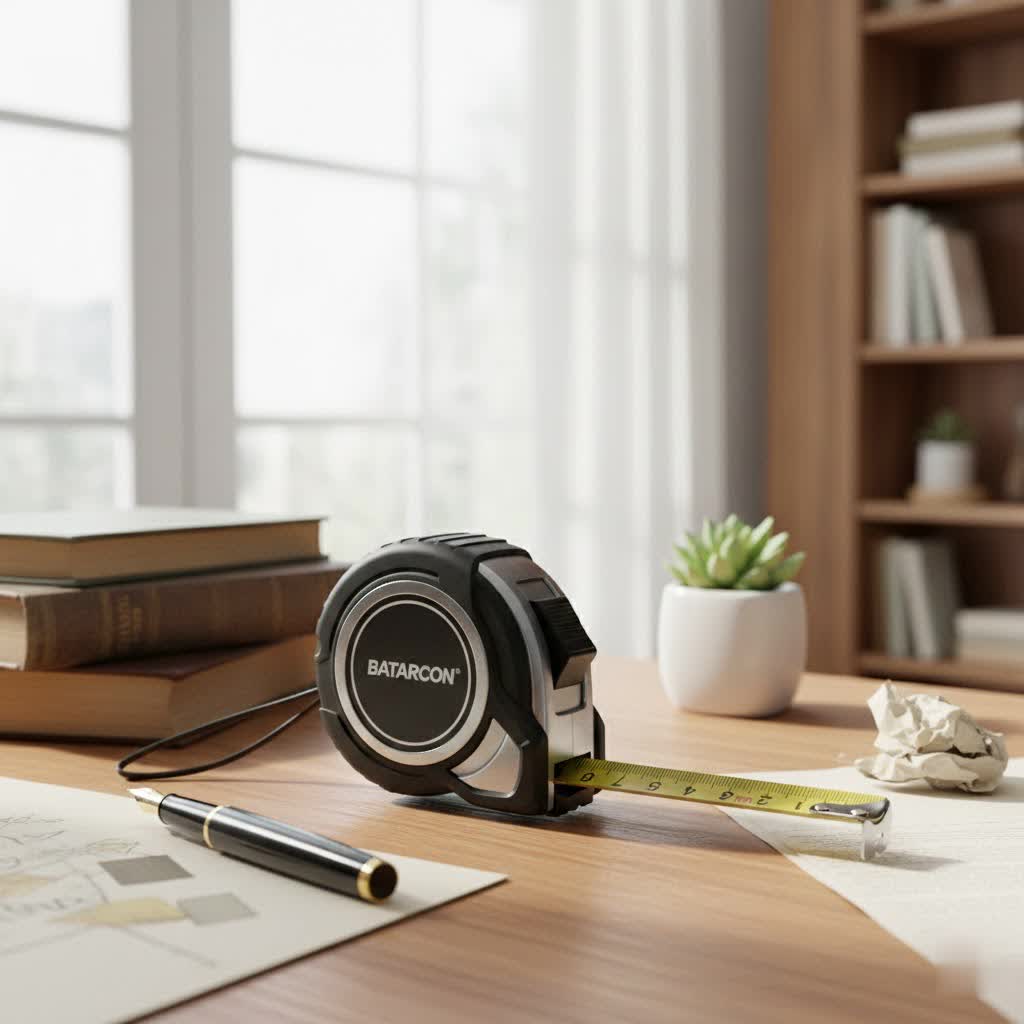
The 3/4 inch tape measure is an essential tool that balances portability, maneuverability, and sufficient rigidity, making it ideal for detailed woodworking, cabinet installation, and general household DIY tasks. Its narrower blade allows for a smaller, lighter case, which is easier to carry and use in confined spaces compared to wider alternatives. This specific blade width is favored by many professionals and DIY enthusiasts for its versatility in projects requiring precision and ease of handling.
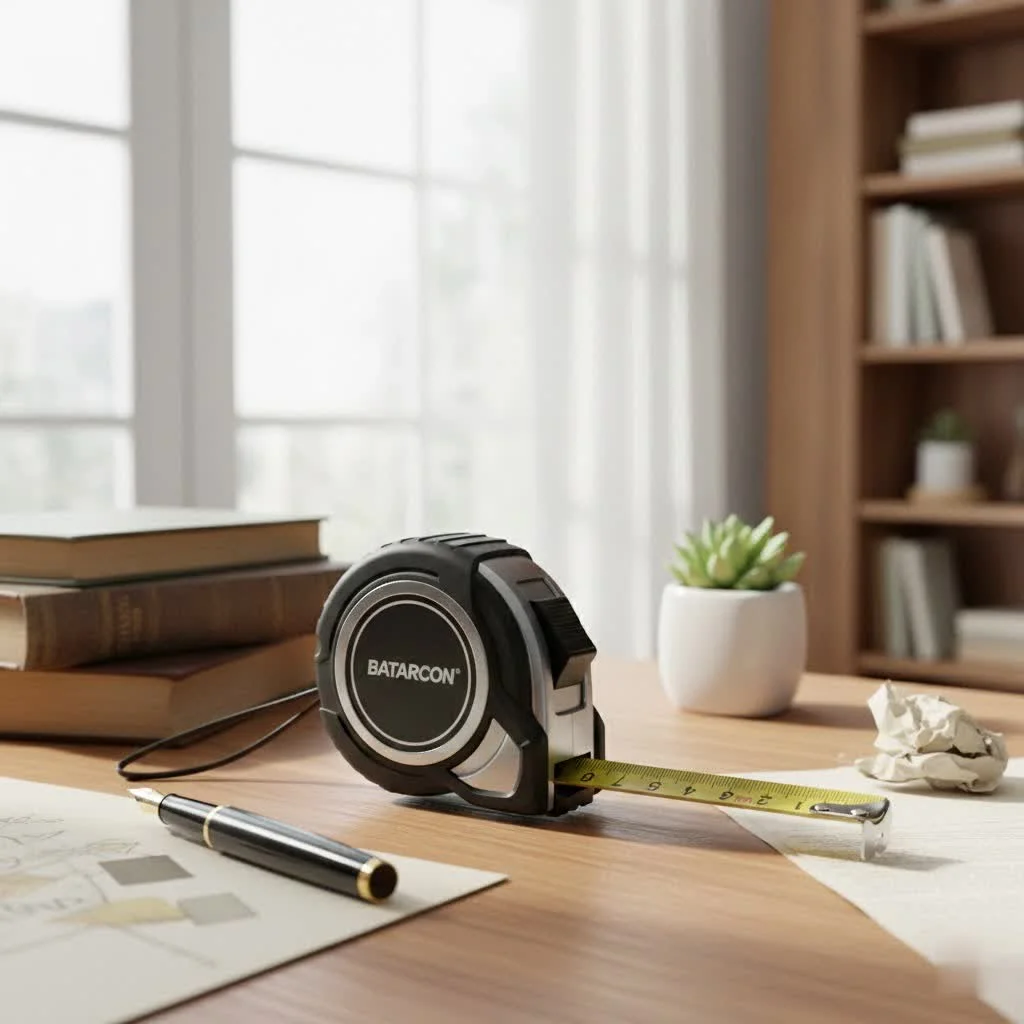
This guide explores the definition, common applications, and key selection factors for 3/4 inch tape measures. Understanding the nuances of this tool will help you achieve impeccable results in various projects.
What is a Tape Measure and Why is it Essential?
A tape measure is a flexible ruler used for measuring lengths and distances, typically consisting of a metal or fiberglass ribbon housed in a compact case. Its ability to extend over long distances, retract neatly, and conform to curved surfaces makes it an irreplaceable tool across countless trades and everyday tasks.
Modern retractable steel tape measures gained prominence in the 19th century, revolutionizing accuracy and efficiency in construction and manufacturing. From rudimentary cloth tapes to today’s high-tech digital models, its evolution has always been driven by the need for greater precision and ease of use.
Today, tape measures come in various forms, each suited for different applications:
- Steel Tape Measures: The most common type, known for durability and rigidity.
- Fiberglass Tape Measures: Flexible, non-conductive, and ideal for measuring around curves or in wet conditions.
- Laser Distance Measurers: Utilize laser technology for rapid, highly accurate measurements over long distances.
- Electronic Tape Measures: Often combine traditional blade measurement with digital readouts for convenience.
Popular Tape Measure Types and Their Applications
Understanding the different types of tape measures helps in appreciating where a 3/4 inch blade fits best.
Steel Tape Measures
Steel tape measures are the industry standard for their robust nature and straight, reliable measurements. The blade’s concave design allows it to “stand out” horizontally without collapsing, a crucial feature for measuring unsupported spans.
- 3/4 Inch Steel Blades: This width strikes a balance between rigidity and flexibility. While wider blades (like 1 inch or 1.25 inch) offer superior standout for very long, unsupported measurements, the 3/4 inch blade excels in situations demanding maneuverability. Its slightly narrower profile means a smaller, lighter case, making it easier to carry on a belt or in a pocket. It’s particularly well-suited for detailed carpentry, cabinet work, or any task where navigating tight spaces is common. Adhesive 3/4 inch steel tapes are also available, designed to be permanently affixed to workbenches or saw tables for repetitive, precise cuts.
Fiberglass Tape Measures
|
Our Picks for the Best Tape Measure in 2026
As an Amazon Associate I earn from qualifying purchases.
|
||
| Num | Product | Action |
|---|---|---|
| 1 | Milwaukee 48-22-0325 Compact Wide Blade Magnetic Tape Measures |

|
| 2 | iBayam 2 Pack Tape Measure Measuring Tape for Body Fabric Sewing Tailor Cloth Knitting Vinyl Home Craft Measurements, 60-Inch Soft Fashion Pink & Retractable Black Double Scales Rulers for Body Weight |
|
| 3 | GDMINLO Soft Tape Measure Double Scale Body Sewing Flexible Tailor Craft Vinyl Ruler for Weight Loss Medical Body Measurement, Has Centimetre Scale on Reverse Side 60-inch(White) |
|
| 4 | Amazon Basics Self-Locking Tape Measure, MID Accuracy, 16-Feet (5-Meters), Black, Yellow |
|
| 5 | Stanley FMHT74038A FatMax 25 Foot Tape Measure 2PK |
|
| 6 | DEWALT Atomic Compact Series 30 ft. Tape Measure (DWHT38130S) |
|
| 7 | Amazon Basics Retractable Tape Measure with Push Button, Easy to Use, 16 Feet, Pink |
|
| 8 | CRAFTSMAN 25-Ft Tape Measure with Fraction Markings, Retractable, Self-Locking Blade (CMHT37225) |
|
| 9 | Milwaukee Tool 48-22-7125 Magnetic Tape Measure 25 ft x 1.83 Inch, 2 Pack |
|
| 10 | 4-in-1 Digital Laser Tape Measure,328ft Laser Distance Meter with Cross-Line Laser,16FT AutoLock Tape,Rechargeable,Backlit LCD,Waterproof,for DIY & Construction |
|
Composed of interwoven fiberglass strands, these tapes are highly flexible and resistant to stretching, moisture, and temperature changes. They are commonly found in longer lengths and open-reel designs.
- Blade Width in Fiberglass Tapes: For fiberglass tapes, blade width is less about rigidity and more about visibility and durability of the markings. They naturally conform to shapes, so standalone rigidity isn’t a primary characteristic. A 3/4 inch fiberglass tape might be chosen for its lighter weight and compact nature in situations like surveying or large-scale crafting where precise, flexible measurements are needed.
Laser and Electronic Tape Measures
These modern tools offer digital readouts and can measure distances with light or sound waves. They are excellent for fast, long-distance measurements and complex calculations. While they don’t have a physical “blade” in the traditional sense, they often complement traditional tape measures for cross-referencing and checking.
Important Criteria When Choosing a Tape Measure
Selecting the right tape measure involves more than just picking one off the shelf. Consider these factors to ensure your tool matches your needs.
Length and Accuracy
The required length of your tape measure is dictated by your typical projects. For quick household tasks, a 10-16 foot tape is often sufficient. Larger construction or outdoor projects may demand 25, 30, or even 100-foot tapes. Critically, the longer the tape, the more important blade width becomes for maintaining rigidity and preventing collapse. All quality tape measures adhere to accuracy standards (e.g., ANSI, EEC Class I/II), ensuring the measurements are reliable. Most standard tapes are accurate to 1/16th of an inch, which is adequate for the vast majority of tasks.
Material and Durability
The materials used in a tape measure determine its longevity and performance under different conditions.
- Blade Material: Most steel blades are coated with nylon or Mylar for abrasion resistance and to prevent rust. Fiberglass tapes are excellent for outdoor or wet environments as they won’t rust.
- Case Material: Cases are typically made from durable ABS plastic or metal (chrome-plated steel). Look for robust designs that can withstand drops and impacts.
- Resistance: Features like impact-resistant cases, water-resistant blades, and anti-glare finishes enhance a tape measure’s usability and lifespan.
Additional Features
Modern tape measures offer a host of features designed to improve efficiency and convenience.
- Auto-Lock Mechanism: Keeps the blade extended without needing to manually hold it, freeing up your hands.
- Magnetic Hook: Ideal for working with metal surfaces, allowing one-person measurements.
- Belt Clip: Essential for easy access and portability on the job site.
- Blade Standout: The maximum length the blade can extend horizontally before collapsing. Wider blades generally offer better standout.
- Double-Sided Printing: Measurements on both sides of the blade, useful for overhead or vertical measurements.
- Fractional Markings: Some tapes explicitly label common fractions (like 1/2, 1/4, 3/4, 1/8, 1/16), making them easier to read for those less familiar with standard markings.
3/4 Inch Tape Measures: Advantages, Disadvantages, and Best Uses
The 3/4 inch wide tape measure occupies a valuable niche, offering distinct benefits and some considerations compared to its wider or narrower counterparts.
Advantages
- Portability and Compactness: The narrower blade allows for a smaller, lighter case, making it more convenient to carry in a pocket or tool belt without feeling bulky.
- Maneuverability in Tight Spaces: Its slimmer profile is easier to work with in constricted areas, such as inside cabinets, around pipes, or when measuring small components.
- Lighter Weight: Reduced weight can be a significant advantage during long workdays or when aiming for a streamlined toolkit.
- Adhesive Versions: For specialized applications, 3/4 inch adhesive-backed steel tapes are excellent. They lie completely flat and can be cut to custom lengths, making them perfect for creating permanent measuring references on workbenches, radial arm saw tables, or drafting tables. The bold markings on these are designed for clear readability even at this width.
Disadvantages
- Reduced Standout: Compared to 1-inch or 1.25-inch blades, a 3/4 inch blade will typically have less horizontal standout before it buckles. This can make long, unsupported measurements more challenging and may require a second person to assist.
- Potentially Smaller Markings: While some 3/4 inch tapes feature very clear markings, the narrower surface area generally limits the size of the numbers and graduations compared to wider blades, which can sometimes impact readability for users with vision challenges.
Best Uses
The 3/4 inch tape measure shines in specific scenarios:
- Detail-Oriented Woodworking and Crafting: When working on smaller projects, furniture, or intricate joinery where extreme precision and maneuverability are paramount.
- Cabinet Installation: Navigating confined spaces within existing cabinetry or during installation.
- General Household DIY: For everyday tasks, a compact 3/4 inch tape is often more convenient than a larger, heavier model.
- Shop Layouts and Jigs: Adhesive 3/4 inch tapes are invaluable for creating permanent measurement references on tools and work surfaces.
- Quick Checks and Personal Use: Easy to grab for a fast measurement without the bulk of a full-sized contractor’s tape.
Comparison of Tape Measure Blade Widths
| Blade Width | Standout/Rigidity | Portability | Common Applications | Key Characteristic |
|---|---|---|---|---|
| 1/2 inch | Low | Excellent | Pocket use, light DIY, sewing, body measurements | Very compact and flexible |
| 3/4 inch | Medium | Good | Detailed woodworking, cabinet work, general DIY, workshop jigs | Balanced versatility and maneuverability |
| 1 inch | High | Moderate | General construction, framing, most professional tasks | Good all-rounder, strong standout |
| 1.25 inch | Very High | Low | Heavy-duty construction, long-span measurements | Maximum standout and durability |
Leading brands like Stanley, Milwaukee, DeWalt, and Lufkin offer a wide range of tape measures across these blade widths, catering to diverse professional and DIY needs.
How to Use and Maintain Your Tape Measure Correctly
Even the most robust tape measure requires proper handling and care to ensure accuracy and longevity.
Safe and Accurate Usage
- Measure Twice, Cut Once: Always verify your measurements to avoid costly errors.
- Hook or Butt: Understand that the end hook on your tape measure is designed to slide slightly. It’s meant to compensate for its own thickness, providing accurate measurements whether you’re hooking it onto an edge (inside measurement) or butting it against a surface (outside measurement).
- Read at Eye Level: Avoid parallax errors by reading the measurement directly from above the tape.
- Keep it Straight: When extending the tape, particularly for longer measurements, try to keep it as straight and flat as possible to prevent sagging and ensure accuracy.
Reading Markings
Standard imperial tape measures divide inches into fractions: 1/16, 1/8, 1/4, 1/2. The longest lines typically denote inches, followed by 1/2 inch, 1/4 inch, and so on, with the shortest lines marking 1/16 inch increments. Metric tapes use millimeters and centimeters, which are generally easier to read. For a 3/4 inch mark, you would count three of the quarter-inch divisions from the last full inch mark.
Care and Storage
- Clean Regularly: Wipe down the blade after use, especially if it’s been exposed to dirt, dust, or moisture, to prevent grit from damaging the retraction mechanism or rusting the blade.
- Avoid Kinking: Do not bend the tape sharply, as this can permanently deform the blade and affect accuracy.
- Store Properly: Retract the blade fully into the case when not in use. Store your tape measure in a clean, dry place, ideally in a toolbox or on a pegboard, to protect it from impacts and contaminants.
Common Errors and How to Fix Them
- Sagging Tape: When measuring long distances unsupported, the tape can sag, leading to inaccurate readings. Use a wider blade, or have a helper support the tape.
- Incorrect Hook Usage: Misunderstanding the sliding hook’s function can lead to consistent small errors. Always ensure the hook is properly engaged or butted.
- Dirty Blade: Debris in the retraction mechanism can cause the tape to stick or retract slowly. Clean the blade and the opening of the case.
Where to Buy Reliable and Quality Tape Measures
Finding a high-quality tape measure ensures precision and durability.
- Hardware Stores and Home Improvement Centers: These offer a wide selection of brands and models, allowing you to physically examine the tool before purchase. You can feel the weight, test the standout, and check the retraction mechanism.
- Online Retailers: Websites provide a vast inventory, often with competitive pricing and user reviews. However, you miss the opportunity to inspect the tool firsthand. Look for reputable sellers and detailed product descriptions.
- Specialty Tool Suppliers: For professional-grade or niche tape measures, specialty suppliers can offer expert advice and a curated selection of high-performance tools.
When purchasing, always be wary of unusually low prices from unknown sources, as counterfeit or low-quality tools can lead to frustration and inaccurate work. Look for recognized brands and read product specifications carefully.
Buying Guide: Expert Advice
As an Admin of Reviewders.com with over a decade of hands-on experience with measuring tools, I emphasize that the “best” tape measure is the one that best suits your specific needs.
- Match the Tool to the Task: Don’t automatically grab the largest, widest tape available. For precise work, a 3/4 inch tape measure can offer superior control and comfort. For general construction, a 1-inch blade might be more practical for its standout.
- Prioritize Readability: Whether you choose a 3/4 inch or wider tape, ensure the markings are clear and easy for you to read under various lighting conditions. High-contrast markings or those with fractional callouts can be very helpful.
- Invest in Durability: A tape measure is an investment. Opt for models with robust cases, durable blade coatings, and strong end hooks to ensure it withstands the rigors of your work.
- Consider Ergonomics: Spend a moment feeling the tape measure in your hand. Does it feel comfortable? Is the lock easy to engage? These small details contribute significantly to user experience during prolonged use.
“A tape measure isn’t just about numbers; it’s about confidence in your work. Choosing the right blade width, like the versatile 3/4 inch, can significantly impact your precision and efficiency, especially in those tight, detailed applications.” – [Your Name/Reviewders Admin], Tape Measure Specialist
Avoid the common mistake of buying a generic, cheap tape measure that quickly becomes inaccurate or breaks. Also, don’t overspend on features you’ll never use. A balanced approach, considering your typical projects and budget, will lead to the most satisfying purchase.
Conclusion
The 3/4 inch tape measure, though often overshadowed by its wider counterparts, holds a vital place in any well-equipped toolkit. Its blend of portability, maneuverability, and sufficient rigidity makes it an excellent choice for detailed work, cabinetmaking, and everyday DIY tasks where larger tapes might be cumbersome. By carefully considering factors like length, material, and features, and understanding the specific advantages a 3/4 inch blade offers, you can select the perfect tool to ensure accuracy and efficiency in all your projects.
What is the most challenging measurement you’ve ever had to take, and how did your tape measure help you conquer it?
Frequently Asked Questions
How to Use and Maintain Your Tape Measure Correctly
Proper handling and care are essential for ensuring the accuracy and longevity of your tape measure. Follow these steps for safe usage and effective maintenance.
Always verify your measurements by measuring twice to avoid costly errors. Understand that the end hook slides to compensate for its thickness, providing accurate inside or outside measurements. Read the measurement directly from above the tape at eye level to prevent parallax errors and keep the tape straight for long measurements.
Standard imperial tape measures divide inches into fractions like 1/16, 1/8, 1/4, and 1/2. The longest lines denote inches, followed by half-inches, quarter-inches, and so on. For a 3/4 inch mark, count three of the quarter-inch divisions from the last full inch mark.
Wipe down the blade after each use, especially if exposed to dirt or moisture, to prevent grit damage and rust. Avoid kinking the tape sharply, as this can permanently deform the blade. Always retract the blade fully and store your tape measure in a clean, dry place, such as a toolbox or on a pegboard, to protect it from impacts.
If the tape sags during long, unsupported measurements, use a wider blade or have a helper support it to prevent inaccurate readings. Ensure the sliding hook is properly engaged or butted to avoid consistent small errors. If the tape sticks or retracts slowly, clean the blade and the case opening to remove debris.
Pet products vetted on real animals
Practical specs, not advice. Unsubscribe anytime.

I’ve been using a 3/4 inch tape measure for years, and it’s definitely my go-to for cabinet installation. The narrower blade really does make a difference when you’re trying to get into tight spots without bending the tape. It’s so much easier to handle than the wider ones, especially when I’m working alone. Highly recommend for anyone doing detailed work.
I never realized how much of a difference the blade width could make until I switched to a 3/4 inch tape. It’s perfect for all my crafting and smaller home improvement projects. The maneuverability is excellent, and it’s so much easier to get accurate readings in awkward angles. This tool has definitely improved my results.
I got a 3/4 inch tape measure for some woodworking projects, and while it’s great for precision, I found the blade a bit too flimsy when extended past 8 feet. It tends to buckle if I’m not super careful. For shorter measurements, it’s fantastic, but for longer cuts, I wish it had a bit more stand-out. Still, it’s good for the price range.
This guide was spot on about the portability of the 3/4 inch tape. I picked up a new one for my general household DIY tasks, and the lighter case is a huge plus. It fits perfectly in my tool belt without weighing me down. The rigidity is still good enough for most measurements, though I do have a wider one for really long runs.