Every toolbox, whether belonging to a seasoned professional or a weekend DIY enthusiast, contains a fundamental tool: the tape measure. This seemingly simple device is indispensable for countless projects, from hanging a picture to framing a house. But beneath its straightforward appearance lies a world of precision, diverse functionalities, and specific design choices tailored for various applications. Understanding the intricacies of a Standard Tape Measure is the first step toward achieving flawless results in all your endeavors.
What is a Tape Measure? Why is it Essential?
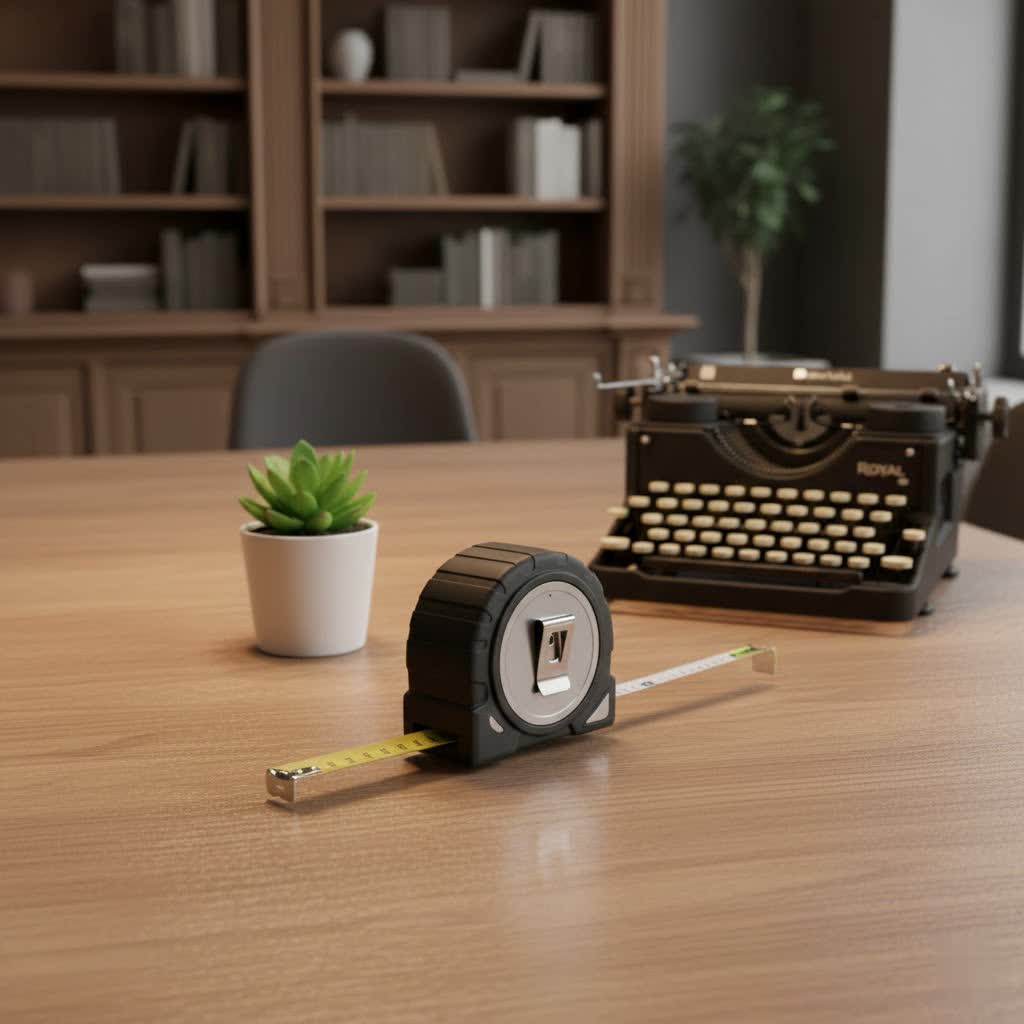
A tape measure, often referred to as measuring tape, is a flexible ruler used to measure length or distance. It typically consists of a ribbon made from cloth, plastic, fiberglass, or metal, marked with linear measurement units. Its flexibility allows it to measure around curves and into tight spaces where a rigid ruler cannot reach, making it an incredibly versatile and essential tool.
The history of measuring tools dates back to ancient civilizations, but the modern retractable tape measure we know today began to take shape in the mid-19th century. Early versions for tailoring were made of flexible cloth, while carpenters later adopted more robust coiled metallic designs. This evolution transformed a basic measurement aid into a highly engineered device, crucial for ensuring accuracy and consistency in construction, crafts, and everyday tasks. Without a reliable tape measure, achieving precise cuts, fitting components together, or even simply verifying dimensions would be significantly more challenging, if not impossible.
Today, the market offers a wide array of tape measures, each designed to meet specific needs. From compact models for quick household tasks to heavy-duty versions for demanding construction sites, these tools share the common goal of providing accurate length measurements, often featuring both imperial (inches and feet) and metric (centimeters and meters) units to cater to global standards.
Exploring Types of Tape Measures and Their Applications
The world of tape measures is diverse, with each type offering distinct advantages for different tasks. Choosing the right one can significantly impact the accuracy and efficiency of your work.
Steel Tape Measures
Steel tape measures are arguably the most common and robust type for general construction and carpentry. Their blades are typically made from hardened steel, often coated with nylon or lacquer for enhanced durability and resistance to wear, rust, and abrasion.
- Characteristics: Rigid enough to extend several feet unsupported (known as “standout”), highly durable, and resistant to stretching. They often feature a sturdy case, a powerful spring for retraction, and a movable hook for accurate inside and outside measurements.
- Pros: Exceptional durability, high resistance to kinking, precise measurements due to material stability, and excellent longevity.
- Cons: Can be susceptible to rust if not maintained, and the metal blade conducts electricity, making it unsuitable for electrical work.
- Applications: Ideal for woodworking, construction, framing, and general household projects where durability and consistent accuracy are paramount. Common lengths range from 12 feet (3.5 meters) to 35 feet (10 meters).
|
Our Picks for the Best Tape Measure in 2026
We may earn a commission when you use one of our links to make a purchase.
|
||
| Num | Product | Action |
|---|---|---|
| 1 | Milwaukee 48-22-0325 Compact Wide Blade Magnetic Tape Measures |

|
| 2 | DEWALT Atomic Compact Series 30 ft. Tape Measure (DWHT38130S) |
|
| 3 | CRAFTSMAN 25-Ft Tape Measure with Fraction Markings, Retractable, Self-Locking Blade (CMHT37225) |
|
| 4 | iBayam 2 Pack Tape Measure Measuring Tape for Body Fabric Sewing Tailor Cloth Knitting Vinyl Home Craft Measurements, 60-Inch Soft Fashion Pink & Retractable Black Double Scales Rulers for Body Weight |
|
| 5 | Stanley FMHT74038A FatMax 25 Foot Tape Measure 2PK |
|
| 6 | 4-in-1 Digital Laser Tape Measure,328ft Laser Distance Meter with Cross-Line Laser,16FT AutoLock Tape,Rechargeable,Backlit LCD,Waterproof,for DIY & Construction |
|
| 7 | GDMINLO Soft Tape Measure Double Scale Body Sewing Flexible Tailor Craft Vinyl Ruler for Weight Loss Medical Body Measurement, Has Centimetre Scale on Reverse Side 60-inch(White) |
|
| 8 | Amazon Basics Retractable Tape Measure with Push Button, Easy to Use, 16 Feet, Pink |
|
| 9 | Milwaukee Tool 48-22-7125 Magnetic Tape Measure 25 ft x 1.83 Inch, 2 Pack |
|
| 10 | Amazon Basics Self-Locking Tape Measure, MID Accuracy, 16-Feet (5-Meters), Black, Yellow |
|
Fiberglass Tape Measures
When flexibility and safety are priorities, fiberglass tape measures are an excellent choice. Their blades are constructed from fiberglass strands woven into a tape and coated with PVC.
- Characteristics: Highly flexible, non-conductive, and resistant to water and rust. They typically come in longer lengths, often housed in an open reel or manual wind-up case.
- Pros: Non-conductive (safe for electrical work), lightweight, resistant to moisture and rust, and very flexible for measuring curved or irregular surfaces.
- Cons: Can stretch slightly under excessive tension, potentially leading to minor inaccuracies over long distances. Less durable against sharp edges compared to steel.
- Applications: Perfect for landscaping, surveying, large-scale outdoor projects, garment making, and situations where electrical hazards might be present. Lengths often range from 50 feet (15 meters) to 300 feet (90 meters).
Laser Tape Measures
Stepping into the digital age, laser tape measures offer a high-tech solution for quick and precise long-distance measurements. These devices use a laser beam to calculate distances.
- Characteristics: Digital display, often capable of calculating area, volume, and indirect measurements (like Pythagorean theorem functions).
- Pros: Extremely fast and accurate for long distances, reduces manual errors, allows single-person operation for many tasks, and can measure in poorly lit conditions.
- Cons: Generally more expensive, requires batteries, and can be less accurate for very short distances or in bright outdoor light.
- Applications: Professional surveying, interior design, real estate appraisals, and construction projects requiring fast, precise measurements over large areas.
Digital Tape Measures
These combine the tactile feel of a traditional tape with the convenience of a digital readout, often found in cased tape measures.
- Characteristics: Feature an LCD screen that displays measurements, sometimes with memory functions or unit conversion.
- Pros: Easy to read, reduces potential for reading errors from fractional markings, and can offer quick conversions between imperial and metric units.
- Cons: More expensive than manual tapes, requires batteries, and may not be as rugged as purely mechanical steel tapes.
- Applications: Ideal for anyone who prefers a clear digital display, especially those frequently switching between measurement systems or needing to record precise readings quickly.
Essential Criteria When Selecting a Tape Measure
Choosing the right tape measure isn’t just about grabbing the first one you see. Several critical factors come into play, influencing its performance, durability, and suitability for your specific tasks.
Length and Accuracy
The most fundamental aspect of any tape measure is its ability to provide precise and appropriate measurements for your work.
- Required Length for Your Work: Tape measures come in various lengths, from compact 6-foot (2-meter) pocket versions to extensive 300-foot (90-meter) surveyor tapes. For general DIY and carpentry, a 25-foot (7.5-meter) or 30-foot (9-meter) steel tape is often sufficient. Longer tapes are crucial for large construction projects, landscaping, or measuring property lines. Always choose a length that comfortably covers your typical measuring needs without excess bulk or being too short.
- Accuracy (Permissible Error): The precision of a tape measure is vital. Professional-grade tapes adhere to accuracy standards, often categorized as Class I, Class II, or Class III. Class I tapes offer the highest accuracy with the smallest permissible error (e.g., ±1.10 mm over 10 meters), while Class III has a larger tolerance. For most general tasks, a Class II tape measure is perfectly adequate, providing reliable measurements for everyday projects. For highly critical work, investing in a Class I tape is recommended.
- Measurement Standards (Metric, Imperial): Most modern tape measures feature both imperial (feet and inches) and metric (meters, centimeters, and millimeters) markings. This dual scale offers versatility, allowing you to work with either system. Ensure the markings are clear, legible, and include the fractional divisions you commonly use (e.g., 1/16th of an inch).
Material and Durability
A tape measure is only as good as its construction. The materials used directly impact its lifespan and ability to withstand demanding work environments.
- Casing Material: The outer shell protects the delicate internal mechanism. High-quality casings are often made from impact-resistant materials like ABS plastic, known for its heat resistance, corrosion resistance, and strength. Some feature rubberized grips or shock-absorbent designs to further protect against drops and impacts, enhancing longevity and user comfort.
- Blade Material: The tape itself is typically made from steel (often specific alloys like 50, 60, or 65 manganese steel for optimal strength and wear resistance) or fiberglass. Steel blades are preferred for their rigidity and resistance to stretching, while fiberglass offers flexibility and non-conductivity, making it suitable for electrical work or wet conditions.
- Resistance to Wear and Tear: Look for blades with multiple protective coatings (e.g., nylon, lacquer) to prevent wear, rust, and abrasion, which can quickly obscure markings. The end hook, often made of stainless steel, should be securely attached with at least two or three rivets to withstand constant use without bending or breaking.
Additional Features
Modern tape measures often come equipped with a variety of features designed to enhance usability, convenience, and safety.
- Automatic Blade Lock: This feature allows you to extend the tape and have it automatically hold its position without needing to manually engage a lock button. It’s especially useful when working alone, freeing up a hand.
- Magnetic Hook: A magnetic end hook can be a game-changer for working with metal surfaces, allowing the tape to securely attach to studs, conduits, or pipes, facilitating single-handed measurements.
- Belt Clip: A sturdy belt clip ensures your tape measure is always within reach, attaching securely to your tool belt or pocket.
- LED Light: Found on some advanced or digital models, an integrated LED light can illuminate the measurement area, invaluable in dimly lit conditions.
- Digital Display: As mentioned, digital tape measures provide clear, precise numerical readouts, often with conversion capabilities, reducing interpretation errors and speeding up workflow.
Comparison of Common Tape Measure Types
While there isn’t a single “best” tape measure, understanding the strengths of each type helps in making an informed decision for your specific needs.
| Feature | Steel Tape Measure | Fiberglass Tape Measure | Laser Tape Measure | Digital Tape Measure |
|---|---|---|---|---|
| Blade Material | Steel (alloyed for durability) | Woven fiberglass with PVC | N/A (uses laser beam) | Steel or fiberglass with sensor |
| Typical Lengths | 12-35 feet (3.5-10 meters) | 50-300 feet (15-90 meters) | Up to hundreds of feet/meters | 12-35 feet (3.5-10 meters) |
| Durability | Very high, impact-resistant | Moderate, flexible | High (casing protects electronics) | Moderate to high |
| Accuracy | High (stable blade) | Good (can stretch slightly) | Very high for long distances | High (digital readout) |
| Flexibility | Low (rigid blade) | Very high | N/A (point-and-shoot) | Low to moderate |
| Water/Rust Res. | Moderate (with coatings) | High | Varies by model (some are rugged) | Varies by model |
| Electrical Safe | No (conductive) | Yes (non-conductive) | Yes | Generally yes (non-contact) |
| Ease of Use | Standard, requires good eyesight | Standard, manual wind-up | Very easy, single-person operation | Very easy, clear digital display |
| Cost | Low to moderate | Low | High | Moderate to high |
| Ideal For | Carpentry, construction, DIY | Surveying, landscaping, tailoring | Large areas, fast, precise work | Quick, error-free readings |
How to Use and Maintain a Tape Measure Correctly
Even the finest tape measure can lead to inaccurate results or a short lifespan if not used and cared for properly. Mastering these techniques ensures precision and extends your tool’s usability.
Safe and Accurate Usage
Accuracy begins with proper technique.
- Secure Your Starting Point: The hook at the end of your tape measure is designed with a slight play. When measuring an outside edge (pulling the tape), the hook extends slightly to account for its own thickness. For inside measurements (pushing the tape against a surface), the hook compresses. This movement is intentional and critical for true zero readings.
- Extend the Tape Smoothly: Always ensure the tape blade remains flat and straight, especially over longer distances. Sagging or twisting the tape will introduce errors. If working alone on a long measurement, try to anchor one end or use a wide blade tape that offers better “standout.”
- Engage the Lock: For retractable tapes, once you’ve reached your desired measurement, engage the blade lock. This keeps the tape extended and steady, allowing you to mark your point accurately without the tape recoiling unexpectedly.
- Read Markings Precisely:
- Imperial (Inches): Look for the largest numbers representing whole inches. Between these, shorter lines indicate half, quarter, eighth, and sixteenth-inch increments. Practice identifying these fractions quickly.
- Metric (Centimeters): Large numbers typically indicate centimeters. The smaller lines between them usually represent millimeters (10 mm = 1 cm). Read the whole centimeter, then count the millimeters.
- Avoid Parallax Error: Always look directly down at the measurement line to avoid reading it at an angle, which can lead to slight inaccuracies.
- “Burn an Inch” for Ultimate Precision: For critical measurements, some professionals start measuring from the 1-inch (or 10 cm) mark instead of the end hook. This eliminates any potential inconsistencies with the hook’s play. Just remember to subtract that initial inch (or 10 cm) from your final reading.
Extending Your Tape Measure’s Lifespan
Proper maintenance is key to keeping your tape measure reliable for years.
- Control Blade Retraction: Never allow the tape blade to snap back into its case at full speed. This can damage the blade’s edges, wear out the internal spring, or even bend the end hook. Guide the tape back gently with your hand, controlling its speed.
- Keep it Clean and Dry: Dust, dirt, and moisture are enemies of a smooth-running tape. After use, especially in dirty environments, wipe the blade clean with a dry, lint-free cloth before retracting it. If it gets wet, dry it thoroughly to prevent rust from forming on the blade or within the internal mechanism.
- Store Properly: Avoid tossing your tape measure into a cluttered toolbox where it can get bent, dented, or have its blade kinked. A dedicated spot, perhaps a tool belt loop or a separate compartment, will protect it.
- Routine Checks: Periodically inspect your tape measure for signs of wear. Check if the markings are still clear and legible. Examine the blade for any kinks, tears, or significant bends, as these compromise accuracy. Ensure the end hook moves correctly; too much play or no play at all can lead to incorrect measurements. Replace the tape measure if it shows significant damage or illegible markings, as a faulty tool guarantees faulty work.
Where to Buy Reliable and Quality Tape Measures
Finding a dependable tape measure is crucial for any project. Knowing where to look ensures you get a quality tool that stands the test of time.
Reputable Stores
For immediate needs and the opportunity to physically inspect the product, traditional hardware stores and home improvement centers are excellent choices. Large chains like Home Depot, Lowe’s, or local hardware shops often carry a wide selection of brands and models, allowing you to feel the build quality, check the blade’s standout, and test the locking mechanism. Staff in these stores can also offer advice based on your specific requirements. Specialist tool suppliers, catering specifically to tradespeople, will often stock a premium range of high-accuracy and heavy-duty tape measures.
Buying Online
Online retailers offer unparalleled convenience and selection. Websites like Amazon, eBay, or dedicated online tool stores provide access to a vast array of brands, often at competitive prices. You can easily compare features, read user reviews, and find niche products that might not be available locally.
- Advantages of Online Shopping: Wider selection, competitive pricing, detailed product specifications, and user reviews that offer real-world insights into product performance and durability.
- Disadvantages of Online Shopping: You cannot physically inspect the tape measure before purchase, making it harder to assess build quality, blade stiffness, or the smoothness of the retraction mechanism. Returns can also be a hassle.
Avoiding Counterfeits and Low-Quality Products
When buying any tool, especially online, vigilance is key to avoiding low-quality or counterfeit products.
- Stick to Reputable Brands: Brands like Stanley, Milwaukee, Lufkin, DeWalt, and Stabila are known for their quality and reliability in the tape measure market. While they may cost more, they often offer superior accuracy and durability.
- Check Seller Reviews: On online platforms, always scrutinize seller ratings and read reviews specifically about the product’s authenticity and quality.
- Beware of Unusually Low Prices: If a deal seems too good to be true, it often is. Counterfeit products often mimic popular brands but are sold at significantly reduced prices, reflecting their inferior quality.
- Verify Warranty Information: Reputable brands typically offer warranties. Ensure the product you’re considering comes with a valid warranty and understand its terms.
Buying Guide: Expert Advice for Your Next Tape Measure
Navigating the myriad of options can be overwhelming, but with a few expert tips, you can confidently select the perfect tape measure for your needs.
The most common mistake people make is underestimating the importance of blade width and coating. A wider blade (typically 1 inch or more) provides better standout, meaning the tape can extend further horizontally without collapsing. This is a huge advantage when working alone or measuring across large spans. Furthermore, a high-quality nylon or polyester coating drastically improves the longevity of the markings, preventing them from fading after years of use. Consider these details beyond just length and brand.
Matching the Tool to the Task
- For General Household & DIY: A 16-foot (5-meter) or 25-foot (7.5-meter) steel tape with a durable plastic or rubberized casing and a blade lock is usually ideal. It’s versatile enough for most common tasks.
- For Carpentry & Construction: Opt for a heavy-duty 25-foot or 30-foot steel tape with a wide blade for maximum standout. Look for features like a magnetic hook, strong blade coatings, and robust casing materials (e.g., ABS plastic) to withstand job site conditions.
- For Tailoring & Fabric Work: A flexible fiberglass or cloth tape measure is indispensable. Its pliability allows for accurate measurements around body contours and curved fabric pieces.
- For Large-Scale Outdoor Projects & Surveying: Long fiberglass tapes (50 feet or more) are preferred for their non-conductive properties and resistance to outdoor elements. For extreme accuracy over very long distances, a laser distance measure is the top choice.
Common Mistakes to Avoid
- Ignoring Blade Standout: A tape measure that can’t hold its rigidity over a reasonable distance makes single-handed measurements incredibly frustrating and prone to error.
- Neglecting Readability: Faint or cluttered markings lead to reading errors. Ensure the numbers and fractional indicators are clear, bold, and easy to interpret quickly.
- Overlooking the Hook: The end hook is a critical component. A flimsy or poorly riveted hook will quickly become inaccurate or detach. Always check its construction.
- Buying Based Purely on Price: While budget is a factor, an overly cheap tape measure often sacrifices accuracy and durability, leading to more frustration and potentially costly errors in the long run. Invest in quality.
“A tape measure is more than just a strip of metal; it’s the foundation of precision in any craft. Always prioritize its accuracy and durability, and it will serve you faithfully.” – Admin, Reviewders.com, Senior Technician in Measuring Tools
Expert Tips for Longevity
Always control the blade’s retraction speed to prevent damage to the hook and internal mechanism. Regularly wipe down the blade to remove dirt and moisture, especially after outdoor use, to prevent rust and maintain legibility. Store your tape measure in a clean, dry place to protect it from extreme temperatures and physical damage. These simple habits will significantly extend the life and accuracy of your valuable tool.
Conclusion
The standard tape measure, in its various forms, remains an iconic and essential tool, embodying the spirit of precision and craftsmanship. Whether you are a seasoned professional or just beginning your DIY journey, selecting the right tape measure and understanding its proper use and maintenance are paramount for achieving accurate, efficient, and satisfying results. From the rugged reliability of a steel tape for construction to the flexible utility of a fiberglass model for softer materials, each variant serves a unique purpose.
By considering factors like length, accuracy standards, material durability, and useful additional features, you can make an informed choice that perfectly aligns with your project needs. Remember, a high-quality tape measure is not merely a purchase but an investment in the accuracy and success of all your future endeavors. What incredible project will you embark on next, armed with the perfect tape measure?
Frequently Asked Questions
What is the difference between a standard tape measure and a digital tape measure?
A standard tape measure features physical markings on its blade that you read visually, typically in imperial and/or metric units. A digital tape measure, while still using a physical blade, incorporates an electronic sensor and an LCD screen to display the measurement numerically, often offering greater ease of reading and sometimes additional functions like memory or unit conversion.
How do I ensure my tape measure is accurate?
To ensure accuracy, always visually inspect your tape for any kinks or bends in the blade and ensure the markings are clear. When measuring, keep the tape flat and straight, avoid parallax error by looking directly at the mark, and properly account for the end hook’s movement for both inside and outside measurements. For critical work, you can “burn an inch” by starting your measurement from the 1-inch mark and subtracting that inch from the total.
Can I use a steel tape measure for electrical work?
No, it is generally not recommended to use a steel tape measure for electrical work. Steel is a conductive material, which poses a significant safety risk if it comes into contact with live electrical circuits. For such applications, a fiberglass tape measure is the safer choice as it is non-conductive.
What are the common lengths available for tape measures?
Common lengths for general-purpose tape measures typically range from 12 feet (3.5 meters) to 35 feet (10 meters). For larger projects or surveying, you can find much longer tapes, often in fiberglass, ranging from 50 feet (15 meters) to 300 feet (90 meters) or more. Compact pocket tapes may be as short as 6 feet (2 meters).