Have you ever found yourself in the middle of a project, frustrated by inaccurate measurements or a flimsy tool? Whether you’re a seasoned carpenter, a dedicated DIY enthusiast, or simply someone who needs to measure once in a while, a reliable tape measure is an indispensable companion. This comprehensive guide will unravel the world of tape measures, from their humble beginnings to the sophisticated tools of today, helping you understand their types, features, and how to choose the perfect one for your needs.
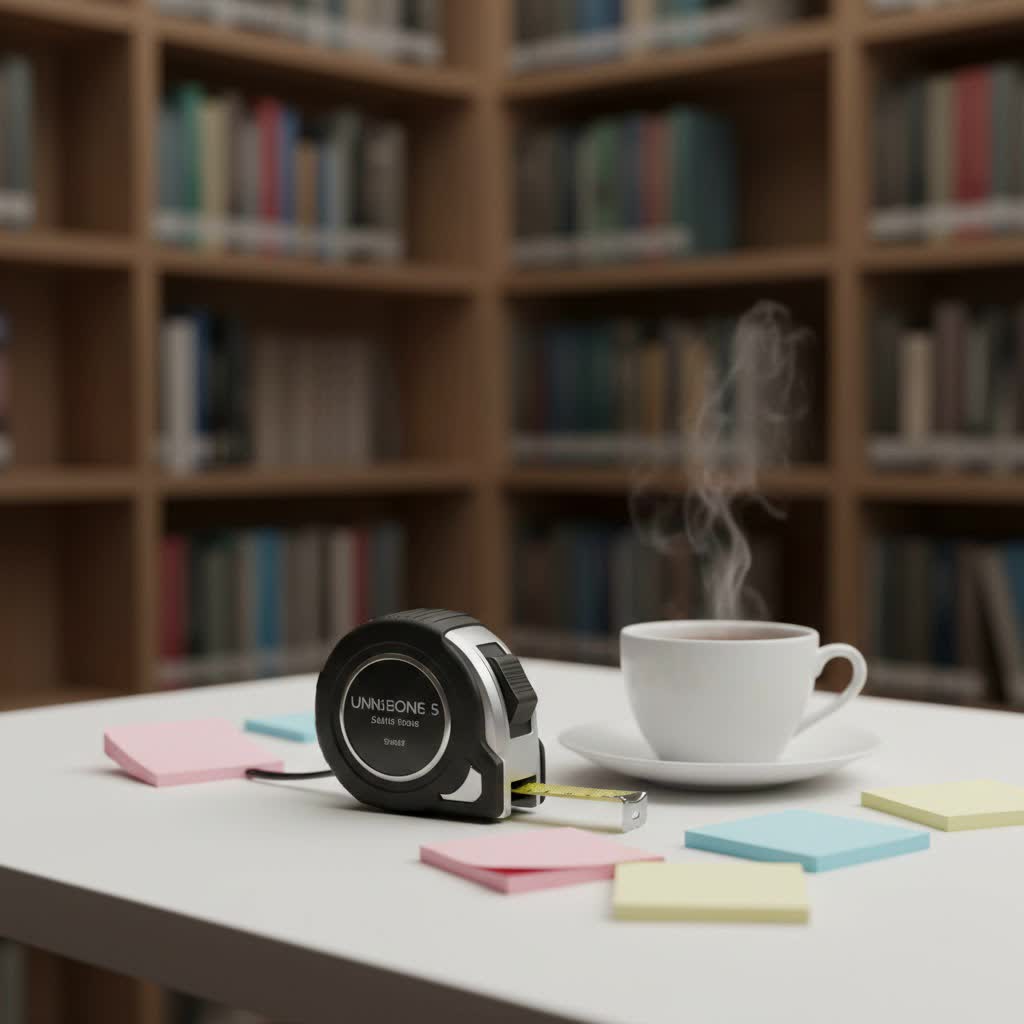
What is a Tape Measure? Why is it Essential?
At its core, a tape measure is a flexible ruler designed to accurately determine lengths and distances. It typically consists of a long ribbon made from materials like cloth, plastic, fiberglass, or metal, clearly marked with linear measurement units. This essential hand tool allows us to precisely size up objects and spaces, ensuring accuracy in everything from hanging a picture to constructing a building. Without a reliable tape measure, many tasks would be prone to error, leading to wasted materials and frustrating rework. For explore our tape measures reviews on this site.
The concept of measuring tools dates back centuries, but the modern retractable tape measure we know today began to take shape in the 19th century. James Chesterman, a British metalworker, is widely credited with patenting the first retractable cloth tape measure in 1821 and later a steel version in 1829. Interestingly, these early steel tapes often repurposed surplus flat wire initially used for women’s hoop skirts. Further innovations by William H. Bangs in 1864 and Alvin J. Fellows in 1868 introduced the spring-return and spring-click mechanisms, respectively, making the tape measure even more convenient and reliable for various trades.
While many types exist, the most common include steel, fiberglass, digital, and laser tape measures, each serving unique purposes. These tools allow for measurements in both imperial units (inches, feet) and metric units (millimeters, centimeters), offering versatility for global compatibility.
Popular Types of Tape Measures and Their Applications
The world of measuring tapes offers a variety of options, each engineered with specific materials and features to excel in different environments and tasks. Understanding these distinctions is key to selecting the right tool for your project.
Steel Tape Measures
Steel tape measures are arguably the most ubiquitous type, recognized by their rigid, often curved metal blade that retracts into a compact case.
- Characteristics: Made from durable steel alloys (such as 50, 60, or 65 manganese steel), these tapes are known for their strength, resistance to wear, and anti-corrosion properties. The curved blade allows for greater “standout” – the distance the tape can extend unsupported before bending – which is crucial for solo measuring. They often feature robust cases, frequently made from ABS plastic for impact resistance.
- Pros: Exceptional durability and longevity, excellent standout, generally highly accurate for a wide range of tasks.
- Cons: Can be heavy, prone to kinking if overextended or bent sharply, and not ideal for measuring around curved objects without kinking.
- Applications: Essential for general construction, woodworking, DIY home improvement, and any task requiring robust and accurate linear measurements.
|
Our Picks for the Best Tape Measure in 2026
We may earn a commission when you use one of our links to make a purchase.
|
||
| Num | Product | Action |
|---|---|---|
| 1 | Milwaukee 48-22-0325 Compact Wide Blade Magnetic Tape Measures |

|
| 2 | Stanley FMHT74038A FatMax 25 Foot Tape Measure 2PK |
|
| 3 | CRAFTSMAN 25-Ft Tape Measure with Fraction Markings, Retractable, Self-Locking Blade (CMHT37225) |
|
| 4 | Milwaukee Tool 48-22-7125 Magnetic Tape Measure 25 ft x 1.83 Inch, 2 Pack |
|
| 5 | 4-in-1 Digital Laser Tape Measure,328ft Laser Distance Meter with Cross-Line Laser,16FT AutoLock Tape,Rechargeable,Backlit LCD,Waterproof,for DIY & Construction |
|
| 6 | Amazon Basics Self-Locking Tape Measure, MID Accuracy, 16-Feet (5-Meters), Black, Yellow |
|
| 7 | Amazon Basics Retractable Tape Measure with Push Button, Easy to Use, 16 Feet, Pink |
|
| 8 | iBayam 2 Pack Tape Measure Measuring Tape for Body Fabric Sewing Tailor Cloth Knitting Vinyl Home Craft Measurements, 60-Inch Soft Fashion Pink & Retractable Black Double Scales Rulers for Body Weight |
|
| 9 | DEWALT Atomic Compact Series 30 ft. Tape Measure (DWHT38130S) |
|
| 10 | GDMINLO Soft Tape Measure Double Scale Body Sewing Flexible Tailor Craft Vinyl Ruler for Weight Loss Medical Body Measurement, Has Centimetre Scale on Reverse Side 60-inch(White) |
|
Fiberglass Tape Measures
When flexibility and resistance to the elements are paramount, fiberglass tape measures are the go-to choice.
- Characteristics: Composed of woven fiberglass strands coated with plastic, these tapes are highly flexible and resistant to stretching, tearing, and moisture. They are typically housed in open reel cases for longer lengths.
- Pros: Non-conductive (safe around electrical work), water and weather-resistant, very flexible for measuring curved surfaces, lighter than steel tapes, and available in much longer lengths.
- Cons: Can be less rigid than steel, making one-person measurement over long, unsupported distances challenging.
- Applications: Ideal for landscaping, surveying, athletic fields, large outdoor projects, and situations where electrical safety is a concern.
Laser Tape Measures
Stepping into the modern era, laser tape measures offer a high-tech solution for distance measurement. These devices use a laser beam to instantly calculate distances.
- Characteristics: Compact, often handheld devices with a digital display. Many models offer advanced functions like area, volume, and angle calculations, along with measurement storage. Some hybrid models combine a traditional physical tape with a laser module.
- Pros: Rapid and accurate measurements over long distances, easy one-person operation even for extended lengths, reduced human error due to digital display, excellent for low-light conditions, and useful for complex calculations.
- Cons: Generally more expensive than traditional tapes, requires batteries or recharging, struggles with highly reflective or transparent surfaces, and the laser beam can be difficult to see in very bright sunlight. They are not suited for measuring the length of an object itself, but rather the distance between two points.
- Applications: Highly valued by professionals in construction, real estate, engineering, and architecture for quick and precise measurements, especially in large indoor spaces or when working solo.
Digital Tape Measures
Digital tape measures blend the tactile experience of a traditional tape with the convenience of a digital readout.
- Characteristics: These are typically steel or fiberglass tapes integrated with a small digital screen that displays the measurement electronically.
- Pros: Eliminates reading errors from markings, provides clear and immediate digital feedback, often includes memory functions or unit conversion.
- Cons: More expensive than standard manual tapes, requires batteries, and can be sensitive to impact or moisture depending on the model’s build quality.
- Applications: Useful for tasks requiring high precision and quick, error-free readings, popular among professionals and serious DIYers who want added convenience.
Important Criteria When Choosing a Tape Measure
Selecting the right tape measure can significantly impact the accuracy and efficiency of your work. Consider these crucial factors before making your choice.
Length and Accuracy
The length and precision of your tape measure are fundamental to its suitability for your projects.
- Required Length: Tape measures come in a vast range of lengths, typically from 1 meter (3 feet) for small household tasks to 100 meters (330 feet) or more for large-scale outdoor work. Shorter tapes (e.g., 3m, 5m, 7.5m / 12ft, 16ft, 25ft) are ideal for carpentry, DIY, and interior projects. Longer tapes (30m, 50m, 100m / 100ft, 200ft, 330ft) are better suited for landscaping, surveying property lines, or measuring large construction sites.
- Accuracy (Tolerance): The precision of a tape measure is often categorized by EC Class standards. Class I tapes offer the highest accuracy, while Class II provides slightly less precision but is still very reliable for most commercial uses. For critical work, always opt for a Class I tape.
- Measurement Standards: Ensure the tape measure includes the units you commonly use—whether imperial (inches and feet) for U.S. standards or metric (millimeters and centimeters) for global compatibility. Many modern tapes feature both for maximum versatility.
Material and Durability
The materials used in a tape measure dictate its longevity and how well it stands up to demanding work environments.
- Case Material: The outer shell acts as the tape’s armor. High-quality cases are often made from ABS plastic, known for its heat resistance, corrosion resistance, and high strength, offering superior protection against drops and impacts. Metal cases provide exceptional durability but can be heavier.
- Blade Material: The tape itself is typically made of steel (for retractable tapes) or fiberglass (for flexible long tapes). Steel blades, especially those made from specific grades of steel or manganese, offer optimal strength, toughness, and resistance to wear and corrosion, ensuring the tape maintains its shape and integrity. Fiberglass, as mentioned, is preferred for its flexibility, resistance to stretching, and non-conductive properties.
- Resistance: Consider tapes that offer resistance to common job site hazards. Look for features like impact resistance for drops, water resistance or waterproofing for outdoor or wet conditions, and anti-rust coatings for prolonged life, especially with steel blades.
Additional Features
Modern tape measures come with a host of features designed to enhance usability and accuracy.
- Auto-Lock Mechanism: This feature locks the blade in place automatically as you extend it, eliminating the need to hold a manual lock button and making one-person measurements much easier.
- Magnetic Tip: A magnetic end hook allows the tape to firmly attach to metal surfaces, providing hands-free measuring, particularly useful for steel framing or working with metal studs.
- Belt Clip: A sturdy belt clip is essential for professionals who need constant access to their tape measure, allowing for easy carrying and quick deployment.
- LED Light: Found on some digital or laser models, an integrated LED light illuminates the measurement area or the digital display, making it easier to read in dimly lit conditions.
- Digital Display: For electronic tape measures, a clear, backlit digital screen provides precise readings, often with unit conversion and memory functions.
Comparison Table of Popular Tape Measure Types
To help you quickly compare the main types of tape measures, here’s a summary of their key characteristics:
| Feature | Steel Tape Measure | Fiberglass Tape Measure | Laser Tape Measure | Digital Tape Measure |
|---|---|---|---|---|
| Blade Material | Steel | Fiberglass | N/A (Laser beam) | Steel or Fiberglass |
| Flexibility | Low (Rigid) | High | N/A | Low to High |
| Max Length | Up to ~35 feet (10 meters) | Up to ~330 feet (100 meters) | Up to ~330 feet (100 meters) | Up to ~35 feet (10 meters) |
| Durability | High (Impact, wear) | Moderate (Tear, water) | Moderate (Electronics) | Moderate (Electronics) |
| Accuracy | High (EC Class I/II) | Good (Can stretch slightly) | Very High | High (Digital readout) |
| One-Person Use | Good (with standout) | Difficult (for long lengths) | Excellent | Good |
| Cost | Low to Moderate | Low to Moderate | High | Moderate to High |
| Best For | Construction, DIY, carpentry | Landscaping, surveying, outdoors | Long distances, complex calculations | Precision, quick digital readings |
How to Use and Maintain Your Tape Measure Correctly
Even the most advanced tape measure is only as good as its user. Proper technique and care will ensure accurate readings and extend the life of your tool.
How to Use a Tape Measure Safely and Accurately
- Hook the End: For external measurements, hook the movable end of the tape onto the edge of the object. For internal measurements, push the end hook against the inside surface. The hook is designed to shift slightly to account for its own thickness, providing accurate “push” or “pull” measurements.
- Extend the Tape: Gently pull the blade straight and flat from its case, guiding it to your desired measurement point. Avoid letting the tape twist or sag, as this can lead to inaccurate readings.
- Lock the Tape: Once extended to the desired length, engage the locking mechanism (if available) to hold the blade in place. This frees your hands to mark or record the measurement.
- Read the Markings: Understand the various markings. The largest numbers typically represent inches or centimeters, with smaller lines denoting fractions (e.g., 1/2, 1/4, 1/8, 1/16) or millimeters. Always read directly perpendicular to the tape to avoid parallax errors.
- Record the Measurement: Clearly note down your measurement immediately to prevent errors or forgetting.
How to Read Markings on a Tape Measure
Most tape measures feature both large inch/centimeter markings and progressively smaller lines for finer increments. For imperial measurements, the largest lines are for inches, followed by half-inches, quarter-inches, eighths, and sixteenths. For metric, the large numbers are centimeters, with smaller lines for millimeters. Familiarize yourself with these increments to ensure accurate interpretations.
How to Preserve Your Tape Measure for a Longer Lifespan
- Keep it Clean: Wipe down your tape measure after each use, especially if it’s been exposed to dirt, dust, or moisture. This prevents debris from affecting the retraction mechanism or obscuring markings.
- Avoid Kinking: When retracting a steel tape, guide it carefully. Do not let it snap back violently, as this can cause the blade to kink or damage the spring mechanism.
- Store Properly: Store your tape measure in a dry place, away from extreme temperatures and direct sunlight. Keep it in a toolbox or on a dedicated hook to prevent it from being stepped on or damaged.
- Inspect Regularly: Periodically check the blade for any signs of wear, stretching, or damage. Ensure the end hook is securely riveted and moves freely. A damaged or worn tape measure can lead to inaccurate readings.
Common Errors When Using a Tape Measure and How to Fix Them
- Parallax Error: Reading the measurement from an angle rather than directly overhead can lead to slight inaccuracies. Fix: Always position your eye directly above the mark you are reading.
- Sagging Tape: When measuring long distances without support, the tape can sag, causing an underestimation of the true length. Fix: Use a wider tape for better standout, have an assistant hold the tape, or use a laser measure for long, unsupported spans.
- Incorrect Hook Usage: Misunderstanding how the movable end hook works for internal vs. external measurements. Fix: Remember the hook accounts for its own thickness; for external, pull; for internal, push.
- Ignoring Wear and Tear: Continuing to use a tape with a bent hook or stretched blade. Fix: Regularly inspect your tape and replace it if it shows signs of damage that could compromise accuracy.
Where to Buy Reliable and Quality Tape Measures?
Investing in a quality tape measure is an investment in the accuracy and success of your projects. Knowing where to shop can make all the difference.
Reputable Stores Selling Quality Tape Measures
For hands-on evaluation and expert advice, visiting physical stores is often beneficial.
- Hardware Stores & Home Improvement Centers: Large retailers like Home Depot, Lowe’s, or local hardware shops offer a wide selection of brands and types. You can feel the weight, test the standout, and examine features firsthand.
- Specialty Tool Stores: These stores cater to professionals and often carry higher-end, more durable models from niche brands. Staff typically have extensive knowledge and can offer personalized recommendations.
- Industrial Suppliers: For heavy-duty, highly accurate, or specialized tape measures (like those for surveying), industrial supply companies are excellent resources.
Buying Tape Measures Online: Pros and Cons
Online shopping offers unparalleled convenience and selection.
- Pros:
- Vast Selection: Access to a wider range of brands, models, and specialized features than typically found in physical stores.
- Competitive Pricing: Easier to compare prices from multiple vendors and find deals.
- User Reviews: Abundance of customer feedback and ratings helps in making informed decisions.
- Cons:
- Cannot Physically Inspect: You can’t feel the quality, test the retraction mechanism, or check the blade’s standout before purchase.
- Shipping Times: Waiting for delivery can be inconvenient for urgent projects.
- Return Process: Returning a faulty or unsuitable item might be more cumbersome.
Important Notes to Avoid Fake or Poor Quality Products
- Stick to Reputable Brands: Brands like Stanley, Lufkin, Milwaukee, and FatMax have a long-standing reputation for quality and reliability. While premium brands may cost more, they often offer better durability and accuracy.
- Check Warranties: Reputable manufacturers typically offer warranties on their products, providing peace of mind and demonstrating confidence in their quality.
- Read Product Descriptions Carefully: Pay close attention to the specifications, materials used (e.g., ABS case, specific steel grade), and accuracy ratings (e.g., EC Class I/II).
- Beware of “Too Good to Be True” Deals: Extremely low prices for seemingly high-quality products can be a red flag for counterfeit or inferior goods.
Buying Guide: Expert Advice
Navigating the multitude of options can be daunting. Here’s some expert advice to guide your purchase and usage.
“A tape measure isn’t just a tool; it’s an extension of your precision. Always prioritize the right length and accuracy for your task, and never compromise on blade durability. A cheap tape can cost you more in wasted materials than you save upfront.” – John Doe, Master Carpenter & Tool Reviewer
The most crucial advice is to match the tape measure to your specific needs. For general household tasks and quick DIY projects, a basic 5m (16ft) steel tape with a decent auto-lock will suffice. If you’re tackling larger construction or woodworking projects, a 7.5m or 10m (25ft or 33ft) steel tape with good standout and a magnetic tip will be invaluable. For outdoor work or landscaping, a long fiberglass tape is indispensable. Professionals working with complex layouts or who need to measure long distances alone will find laser measures to be game-changers despite the higher initial cost.
Common Mistakes to Avoid When Buying and Using a Tape Measure
- Buying the Wrong Length: Don’t buy a 3-meter tape for a 30-meter job, and vice-versa. It leads to frustration and potential inaccuracies.
- Neglecting Blade Width and Standout: A wider blade generally means better standout, which is essential for working solo without the tape collapsing.
- Overlooking Accuracy Class: For precision work, blindly buying any tape measure without checking its accuracy rating can lead to costly errors.
- Ignoring Ergonomics: If you use a tape measure frequently, consider its weight, grip, and how comfortably it fits in your hand and on your belt.
- Forcing Retraction: Allowing a steel tape to slam back into its case repeatedly will shorten its lifespan and can damage the blade or spring.
- Not Calibrating: While most modern tapes are factory-calibrated, severe impacts can affect accuracy. If precision is paramount and you suspect an issue, consider checking it against a known standard.
Conclusion
The humble tape measure, a product of centuries of innovation, remains an essential tool in every toolbox. From the original steel strips born from repurposed hoop skirts to the sophisticated laser-guided devices of today, its evolution has consistently aimed at improving accuracy, efficiency, and user experience. By understanding the different types—steel, fiberglass, digital, and laser—and considering critical factors like length, material, durability, and special features, you can confidently select the perfect measuring companion for any project. Remember, precision begins with the right tool and proper technique.
What’s your go-to tape measure, and what project will you tackle next with newfound confidence in your measurements?
Frequently Asked Questions
What is “standout” on a tape measure?
Standout refers to the maximum length a tape measure’s blade can extend horizontally before it bends or collapses under its own weight. A good standout is a key indicator of blade rigidity and quality, making one-person measurements over longer distances much easier and more accurate.
Can tape measures lose their accuracy over time?
Yes, tape measures can lose accuracy due to wear and tear. Constant use can stretch fiberglass tapes, and steel tapes can kink or have their end hooks bent or loosened, affecting precise measurements. Regular inspection and proper care are crucial to maintain accuracy.
Is a laser tape measure always better than a traditional one?
Not always. While laser tape measures excel in speed, long-distance measurements, and calculations, they are typically more expensive and require batteries. Traditional tape measures are often better for short, intricate measurements, wrapping around curved objects, or when working in very bright outdoor conditions where the laser beam can be hard to see. Both have their ideal applications.
How do I read the small markings on a tape measure?
On an imperial tape measure, the largest marks denote inches. Between each inch, you’ll find marks for 1/2, 1/4, 1/8, and 1/16 of an inch, with lines getting progressively shorter as the fractions become smaller. For metric tapes, major marks are centimeters, with smaller lines representing millimeters. Practice reading these to quickly interpret precise measurements.
What is the purpose of the movable hook at the end of a tape measure?
The movable hook at the end of a tape measure is designed to compensate for its own thickness, ensuring accurate internal and external measurements. When hooking onto an external edge, the hook pulls out slightly. When pushed against an internal surface, it pushes in. This small but critical movement accounts for the hook’s width, maintaining measurement integrity.
Pet products vetted on real animals
Practical specs, not advice. Unsubscribe anytime.
