Have you ever found yourself in a tight spot, needing to take a quick measurement but your bulky tape measure just won’t cut it? For anyone from a seasoned professional to a weekend DIY enthusiast, a reliable compact tape measure is an indispensable tool, seamlessly blending portability with precision. This comprehensive guide will delve into everything you need to know about these essential instruments, helping you navigate the market and find the perfect compact companion for your toolkit.
What is a Compact Tape Measure? Why is it Essential?
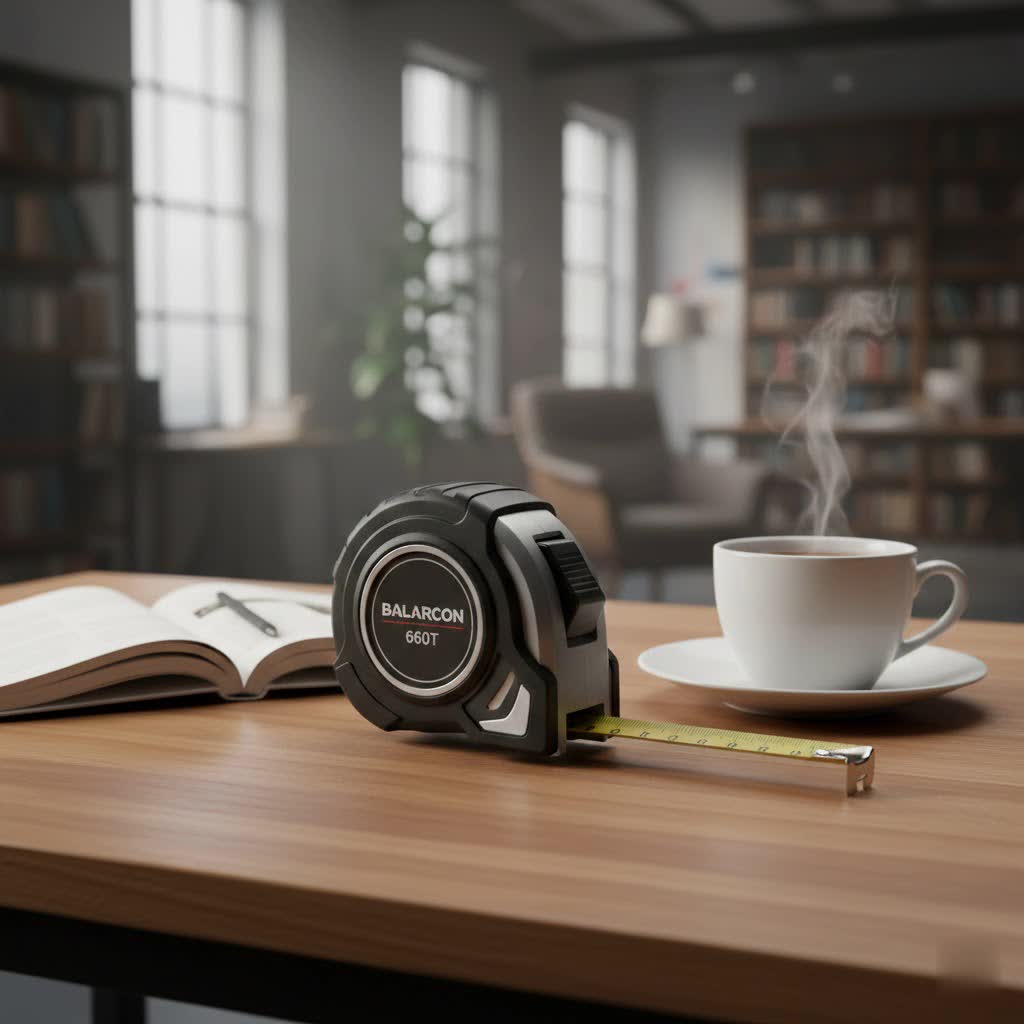
A compact tape measure is, at its core, a smaller, more portable version of the traditional retractable measuring tape. Designed for convenience without compromising accuracy, these tools are built to fit comfortably in a pocket, tool belt, or small utility drawer, making them ideal for on-the-go measurements and tight spaces. While the fundamental purpose remains the same—to accurately gauge length, width, and height—the compact design emphasizes ease of carry and maneuverability.
The history of measuring tools dates back to ancient civilizations, evolving from simple cords and rulers to the spring-loaded retractable tapes we know today. The compact tape measure represents a modern refinement, catering to a demand for efficiency and practicality in increasingly complex or space-constrained environments. Their necessity stems from situations where a full-sized tape might be cumbersome or overkill, offering a lighter, more agile solution for tasks like interior design, crafting, quick checks on a job site, or even everyday household needs.
Compact tape measures are not just scaled-down versions; they often incorporate specialized features optimized for their size and intended use, such as enhanced readability, robust casings to withstand drops, and ergonomic designs for comfortable handling. They prove invaluable when precision is paramount but space is limited, ensuring you always have accurate measurements at your fingertips.
Popular Compact Tape Measure Types and Their Applications
While the term “compact” primarily refers to size, these smaller tools come in various types, each suited for different applications. Understanding these distinctions is key to selecting the right one for your specific needs.
-
Steel Tape Measures: These are the most common type found in compact forms. Featuring a flexible steel blade coated with nylon or a similar polymer for durability and wear resistance, they offer excellent rigidity and standout for their size. Their robust construction makes them suitable for general construction, woodworking, and home improvement tasks where a shorter, sturdy blade is sufficient. Many compact steel tapes feature clear, easy-to-read markings, often with fractional indicators to streamline measurements.
- Characteristics: Strong, durable blade; good standout; typically 12 to 16 feet in length.
- Applications: General DIY, light construction, carpentry, furniture assembly, quick home measurements.
-
Fiberglass Tape Measures: Less common in the “pocket-sized” compact category but available in shorter lengths, fiberglass tapes are non-conductive and flexible, making them ideal for electrical work or measuring around curves without fear of damage or distortion. They are lighter than steel tapes but generally have less standout.
- Characteristics: Lightweight, flexible, non-conductive; less rigid than steel.
- Applications: Electrical work, tailoring, landscaping, measuring curved surfaces.
-
Laser Distance Measures: While not “tape measures” in the traditional sense, many digital laser devices are inherently compact and serve the same core function: measuring distance. These electronic tools use a laser beam to calculate distances with high precision, often offering additional functions like area and volume calculations. They are perfect for interior designers, real estate agents, or anyone needing highly accurate measurements over longer distances, where a physical tape would be unwieldy.
- Characteristics: High precision, digital display, multiple functions, no physical blade.
- Applications: Interior design, surveying, large room measurements, estimating materials.
-
Digital/Electronic Tape Measures: These integrate electronic components with a physical tape or offer a fully digital interface. Some feature a standard retractable blade but display measurements digitally, improving readability and often including memory functions. Others are more akin to compact laser measures, but all emphasize precision and ease of data capture in a small footprint.
- Characteristics: Digital readout, enhanced accuracy, often includes memory or conversion features.
- Applications: Crafting, detailed woodworking, quality control, where digital convenience is preferred.
For everyday compact use, steel tape measures typically dominate due to their balance of durability, functionality, and cost-effectiveness. However, the increasing popularity of compact digital and laser measures highlights a shift towards technology-driven precision and convenience in a portable package.
Key Criteria for Choosing a Compact Tape Measure
Selecting the right compact tape measure involves more than just picking the smallest one on the shelf. Several crucial factors dictate its performance, durability, and suitability for your specific tasks.
Length and Accuracy
The primary consideration for any tape measure is its ability to provide precise measurements. For compact models, common lengths range from 10 to 16 feet, with some extending to 25 feet while still maintaining a relatively compact form factor. While a 25-foot tape measure can handle most household tasks and is generally easy to store, a 16-foot option is often sufficient and more portable for smaller spaces and everyday carry.
- Length: Determine the maximum length you realistically need. For quick checks, small DIY projects, or personal measurements, a 10-12 foot tape is often enough. For more extensive home projects, a 16-25 foot compact model might be better.
- Accuracy: Look for clear, unambiguous markings. Many quality compact tapes feature measurements down to 1/16th of an inch. Some, like the Milwaukee Compact Tape Measure, even display numerical fractions directly on the blade, making reading easier and reducing errors, especially for those who struggle with tiny lines. Ensure the tape adheres to standard measurement systems (imperial, metric, or both).
|
Our Picks for the Best Tape Measure in 2026
We may earn a commission when you use one of our links to make a purchase.
|
||
| Num | Product | Action |
|---|---|---|
| 1 | 4-in-1 Digital Laser Tape Measure,328ft Laser Distance Meter with Cross-Line Laser,16FT AutoLock Tape,Rechargeable,Backlit LCD,Waterproof,for DIY & Construction |

|
| 2 | Milwaukee 48-22-0325 Compact Wide Blade Magnetic Tape Measures |
|
| 3 | CRAFTSMAN 25-Ft Tape Measure with Fraction Markings, Retractable, Self-Locking Blade (CMHT37225) |
|
| 4 | GDMINLO Soft Tape Measure Double Scale Body Sewing Flexible Tailor Craft Vinyl Ruler for Weight Loss Medical Body Measurement, Has Centimetre Scale on Reverse Side 60-inch(White) |
|
| 5 | Stanley FMHT74038A FatMax 25 Foot Tape Measure 2PK |
|
| 6 | iBayam 2 Pack Tape Measure Measuring Tape for Body Fabric Sewing Tailor Cloth Knitting Vinyl Home Craft Measurements, 60-Inch Soft Fashion Pink & Retractable Black Double Scales Rulers for Body Weight |
|
| 7 | DEWALT Atomic Compact Series 30 ft. Tape Measure (DWHT38130S) |
|
| 8 | Amazon Basics Self-Locking Tape Measure, MID Accuracy, 16-Feet (5-Meters), Black, Yellow |
|
| 9 | Milwaukee Tool 48-22-7125 Magnetic Tape Measure 25 ft x 1.83 Inch, 2 Pack |
|
| 10 | Amazon Basics Retractable Tape Measure with Push Button, Easy to Use, 16 Feet, Pink |
|
Material and Durability
A compact tape measure, by its very nature, is designed for frequent handling and often for rough environments. Therefore, its construction materials are paramount to its longevity.
- Case Material: The outer casing is typically made from impact-resistant plastic or metal. Many feature a rubberized over-molding that provides a comfortable, non-slip grip and extra protection against drops and impacts, common occurrences on job sites or during DIY projects.
- Blade Material and Coating: Most compact tapes use a steel blade for its strength and rigidity. A nylon or similar polymer coating enhances durability, resists abrasion, and protects against rust and kinks. Some blades also feature an additional “rip-shield” coating on the first few inches, where wear and tear are most common, further extending the blade’s life.
- Resistance: Consider models that offer resistance to water, dirt, and corrosion, particularly if you plan to use the tape measure outdoors or in challenging conditions.
Additional Features
Modern compact tape measures come with a variety of features that can significantly enhance usability and efficiency.
- Auto-Lock Mechanism: Some compact tape measures automatically lock the blade in place as it is extended, eliminating the need to manually engage a lock. This feature is particularly useful for single-handed operation or when measuring long distances without an assistant. A simple button release retracts the blade.
- Magnetic Hook: A magnetic hook can be incredibly useful when measuring metal surfaces, allowing the tape to securely attach without assistance. However, some users find magnets can attract metal shavings or interfere with other tools, leading to a “furball” effect. Models with removable magnetic tips offer the best of both worlds.
- Standout: This refers to the distance the blade can extend horizontally without bending or collapsing. A good standout is crucial for overhead measurements or when working alone. While compact tapes generally have shorter standouts than larger models, a standout of 8-10 feet is considered good for a compact unit.
- Belt Clip: A sturdy belt clip is essential for professionals and serious DIYers who need their tape measure readily accessible. Look for clips that are easy to use yet secure, ensuring the tape doesn’t accidentally fall off.
- Dual-Sided Markings: Tapes with measurements printed on both sides of the blade can be incredibly convenient, especially when measuring in awkward positions or overhead, improving readability from different angles.
- Recoil Control: An ideal compact tape measure will have a smooth, controlled blade retraction. Overly aggressive recoil can be jarring and potentially dangerous, while a slow recoil can be inefficient. Features like a “finger brake” can give you precise control over retraction speed.
Comparison of Top Compact Tape Measures
Choosing the “best” compact tape measure often depends on individual needs and preferences, but some models consistently receive high marks for their performance, durability, and user-friendly features. Here’s a brief comparison highlighting key aspects of popular compact options:
| Feature/Model | Length Options | Blade Width | Standout (approx.) | Key Features | Pros | Cons | Ideal User |
|---|---|---|---|---|---|---|---|
| Milwaukee Compact | 16′, 25′ | 1 inch | 9 feet | Numeric fractions, nylon coated blade, rubbery grip | Easy-to-read fractions, smooth recoil, durable case | Shorter standout compared to some others, stiff belt clip | DIYers, those needing easy-to-read fractions |
| Milwaukee Compact Autolock | 16′, 25′ | 1 inch | 10 feet | Auto-lock, numeric fractions, compact size | Automatic blade lock, clear fractional markings, comfortable in hand | Blade can be flimsy, some glare on blade in bright light | Anyone needing single-handed operation, precision work |
| Klein Tools 16 ft Compact | 16′ | – | 13 feet | Dual-sided design, lanyard hole, good lock | Excellent standout for its size, sturdy, comfortable to hold | No magnet (can be a pro or con), belt clip might be very tight | Professionals, those needing extended reach in a compact tool |
| Stanley FatMax Classic | 25′ | 1-1/4 inch | 10 feet | Robust case, comfortable grip, strong hook | Durable, comfortable, easy-to-use blade lock, good for DIY | Slower recoil, somewhat bulky for “compact” designation | General DIYers, home improvement, professionals needing durability |
| DeWalt Tough Series | 16′, 25′ | 1-1/4 inch | 12-13 feet | Removable magnetic hook, dual-sided markings | Very durable, easy to read, versatile magnetic hook | Aggressive recoil on some models, can be large for small hands | Professionals, heavy-duty use, metalworking |
Note: Standout lengths and other specifications can vary slightly between models and versions.
How to Use and Maintain Your Compact Tape Measure Correctly
Proper usage and consistent maintenance are crucial for ensuring the accuracy and longevity of your compact tape measure. Even the most durable tool can fail prematurely if not cared for correctly.
Safe and Accurate Usage
- Secure the Hook: Always ensure the metal hook at the end of the blade is securely fastened to the edge of the object you’re measuring. For inside measurements, push the hook firmly against the surface. The slight play in the hook is intentional to account for its thickness for both inside and outside measurements.
- Extend Smoothly: Pull the tape out smoothly to the desired length. Avoid jerking or bending the blade sharply, which can cause kinks or damage, especially with longer extensions.
- Engage the Lock: For extended measurements, activate the blade lock to hold the tape securely in place. If your tape has an auto-lock, simply stopping the extension will engage it.
- Read Carefully: Read the measurement directly at the point of contact. Many compact tapes feature clear, large numerals and fractional markings to aid readability. For the most precise measurements, ensure your eye is directly above the mark to avoid parallax error.
- Controlled Retraction: When releasing the blade, use controlled retraction, especially if your tape has an aggressive recoil. For models with a finger brake or slow return, guide the blade back into the case to prevent it from snapping back violently, which can damage the hook or the end of the blade.
Reading and Understanding Markings
Most compact tape measures in the US feature imperial measurements (feet and inches), often with markings for 1/16th of an inch. Some also include metric scales (centimeters and millimeters). Understanding these markings is fundamental:
- Feet and Inches: Large numbers typically denote inches, with smaller numbers or tick marks indicating fractions.
- Stud and Joist Markings: Many tapes feature black diamonds or red markings at specific intervals (e.g., 16 inches, 19.2 inches) to indicate common stud or joist spacing in construction.
- Fractions: On some advanced compact tapes, fractions like 1/8, 1/4, and 1/2 inches are numerically printed, significantly simplifying reading for quick tasks.
Maintenance Tips
- Keep it Clean: After use, wipe the blade with a clean, dry cloth to remove any dust, dirt, or moisture. This prevents corrosion and keeps markings clear.
- Avoid Kinks: Never bend the blade sharply or allow it to retract with kinks. Kinks weaken the blade and can lead to breakage.
- Store Properly: Store your tape measure in a dry place, away from extreme temperatures. While compact, avoid leaving it loose in a toolbox where it can be crushed or damaged by heavier tools.
- Check for Wear: Periodically inspect the blade for cracks, severe wear, or illegible markings. Check the hook for looseness or damage, as this can affect accuracy.
- Lubrication: While not typically required for modern enclosed compact tape measures, some older models might benefit from a very light application of dry lubricant (like graphite powder) if the retraction mechanism feels sluggish.
Common Usage Errors and Solutions
- Inaccurate Hook: Ensure the hook is snug against the surface for inside measurements and fully engaged on the outside. The small movement of the hook is part of its design for accuracy.
- Blade Bending (Low Standout): If measuring long distances alone, compensate for low standout by supporting the tape or making multiple shorter measurements.
- Difficult to Read Markings: Choose a tape with contrasting colors, large print, and fractional indicators if you frequently struggle with readability.
- Aggressive Recoil: Learn to “feather” the blade’s return by lightly pressing against it or using a finger brake to control the speed.
Where to Buy Reliable and Quality Compact Tape Measures
Finding a high-quality compact tape measure is crucial for reliable measurements. Fortunately, these essential tools are widely available from various reputable sources, both online and in brick-and-mortar stores.
Reputable Retailers
- Hardware Stores (e.g., Home Depot, Lowe’s, Ace Hardware): These stores offer a wide selection of compact tape measures from leading brands like Milwaukee, DeWalt, Stanley, and Klein Tools. You can physically handle the products, compare features, and get advice from sales associates. This is ideal for those who prefer to inspect a tool before buying.
- Specialty Tool Shops: Professional tool suppliers may carry a more specialized range, including high-end or niche compact tape measures designed for specific trades.
- Department Stores with Home Sections (e.g., Walmart, Target): Often provide budget-friendly and general-purpose compact tape measures suitable for casual home use.
Online Marketplaces
- Amazon, eBay: Offer an unparalleled selection with competitive pricing and user reviews. This is excellent for comparing multiple brands and models from the comfort of your home. Be sure to check seller ratings and product reviews to ensure authenticity and quality.
- Manufacturer Websites: Buying directly from brands like Milwaukee, Stanley, or DeWalt ensures you receive genuine products and often provides access to their full range and customer support.
- Online Hardware Retailers (e.g., Toolbarn, Acme Tools): These dedicated online stores often have good selections and detailed product information.
Tips for Online Shopping
- Read Reviews: Pay close attention to user reviews regarding accuracy, durability, and specific features like blade lock and standout. Look for consistent feedback, both positive and negative.
- Check Specifications: Verify the length, blade width, and other key features carefully.
- Return Policy: Ensure the retailer has a clear and fair return policy in case the product doesn’t meet your expectations.
- Beware of Counterfeits: Stick to reputable sellers, especially for well-known brands, to avoid purchasing low-quality knock-offs.
Investing in a quality compact tape measure from a trusted source will ensure you have an accurate and dependable tool that stands the test of time, proving its worth with every precise measurement you take.
Buying Guide: Expert Advice for Your Compact Measuring Needs
As a technician with over a decade of experience, I’ve seen countless tape measures. When it comes to compact models, the “best” isn’t a one-size-fits-all answer. It’s about aligning the tool with your specific workflow and priorities. Here’s my distilled expert advice to help you make an informed decision:
-
Prioritize Your Primary Use:
- Everyday Carry/Quick Checks: Opt for a 10-12 foot tape with a robust, ergonomic case and a strong belt clip. Readability is key here, so look for large, clear numbers.
- Light DIY/Crafting: A 16-foot compact tape measure often hits the sweet spot. Consider models with numeric fractional markings for ease of use and reduced errors in smaller, more detailed projects.
- Job Site/Professional Use (Secondary Tape): If it’s a backup or for tight spaces, prioritize extreme durability (rubberized casing, strong blade coating), a reliable lock mechanism, and decent standout, even if it adds a slight bit of bulk. A removable magnetic hook can be a game-changer.
-
Don’t Skimp on Blade Quality: A flimsy blade is a frustration waiting to happen. “Even in a compact tape, a high-quality, nylon-coated steel blade with good standout is non-negotiable for consistent accuracy and longevity,” advises Johnathan Reed, a veteran construction foreman. A strong blade resists kinks and ensures your measurements remain straight and true.
-
Evaluate the Lock and Recoil: These are often overlooked but critical for user experience. An auto-lock feature can save time and effort, especially when working solo. For manual locks, ensure it’s easy to engage and disengage with one hand. Controlled recoil is safer and more pleasant to use than an aggressive snap-back.
-
Consider Readability Features: Squinting wastes time and leads to mistakes. Look for dual-sided printing, matte finishes to reduce glare, and especially numeric fractional markings if you find traditional hash marks challenging. This is particularly important for compact tapes where markings might naturally feel smaller.
-
Ergonomics Matter: While compact, the tape measure should still feel comfortable in your hand. Test the grip and the placement of the lock button. A good ergonomic design reduces hand fatigue during prolonged use and enhances control.
-
Avoid These Common Mistakes:
- Buying purely on price: A cheap tape measure often sacrifices accuracy and durability, costing you more in the long run through replacements or project errors.
- Ignoring standout: For tasks requiring unsupported measurements (e.g., measuring across a ceiling), a poor standout will quickly lead to frustration.
- Neglecting maintenance: Even the toughest compact tape needs occasional cleaning and inspection to prevent premature wear.
By focusing on these expert tips, you can confidently choose a compact tape measure that not only fits your pocket but also seamlessly integrates into your workflow, providing accurate and reliable measurements for years to come.
Conclusion
The compact tape measure is more than just a miniature tool; it’s a testament to the pursuit of efficiency and precision in measurement. Whether you’re a seasoned professional needing a reliable sidekick, a dedicated DIYer tackling home projects, or an enthusiast requiring on-the-go accuracy, the right compact tape measure can significantly enhance your work. We’ve explored the diverse types, critical selection criteria, and expert insights to guide your choice, emphasizing factors like blade durability, accurate markings, and essential features like auto-lock and standout.
Remember, the ideal compact tape measure perfectly balances portability with performance, offering the durability to withstand daily use and the precision to ensure your projects are always on point. By considering your specific needs and applying the advice shared here, you can confidently select a tool that will be a valuable asset for years to come. What will your next precise measurement uncover?
Frequently Asked Questions
What is the ideal length for a compact tape measure?
The ideal length for a compact tape measure depends on your primary use. For everyday carry and quick household tasks, a 10-foot or 12-foot tape is highly portable. For more extensive DIY projects or as a secondary tape on a job site, a 16-foot or even a compact 25-foot model offers greater versatility while still maintaining a manageable size.
Are compact tape measures less accurate than full-sized ones?
No, compact tape measures are not inherently less accurate. Reputable brands maintain high standards of precision across their product lines. Accuracy is more dependent on the quality of manufacturing and the clarity of markings, rather than the overall size of the tool. Always check for clear, easy-to-read scales and consider models with fractional indicators.
Is a magnetic hook necessary on a compact tape measure?
A magnetic hook can be very useful for specific tasks, especially when working with metal surfaces or when measuring alone. It allows the tape to securely attach to ferromagnetic materials. However, it’s not essential for all users, and some find it can attract debris. Consider a model with a removable magnetic tip if you want both options.
How do I maximize the standout of my compact tape measure?
While compact tape measures generally have shorter standouts than larger models, you can maximize it by extending the blade smoothly and avoiding twisting the tape. For longer unsupported measurements, gently cup the blade from underneath with your free hand or make multiple shorter measurements. Consistent blade quality and proper care also help maintain its natural rigidity.
What are the benefits of a compact auto-lock tape measure?
A compact auto-lock tape measure automatically locks the blade when you extend it, eliminating the need to manually engage a locking switch. This feature greatly improves single-handed operation, enhances efficiency, and is particularly convenient when taking multiple measurements or working without an assistant. It also offers a controlled retraction with a simple button release.
Pet products vetted on real animals
Practical specs, not advice. Unsubscribe anytime.
