Navigating precise measurements in tight spaces or on the go can be a challenge. Have you ever found yourself wrestling with an oversized, clunky tape measure for a delicate craft project or a quick body measurement? Whether you’re a seasoned DIY enthusiast, a professional tailor, or simply someone who appreciates accuracy in everyday tasks, the right Small Tape Measure is an indispensable tool. This comprehensive guide will delve into everything you need to know about these compact powerhouses, helping you find the perfect measuring companion for your specific needs.
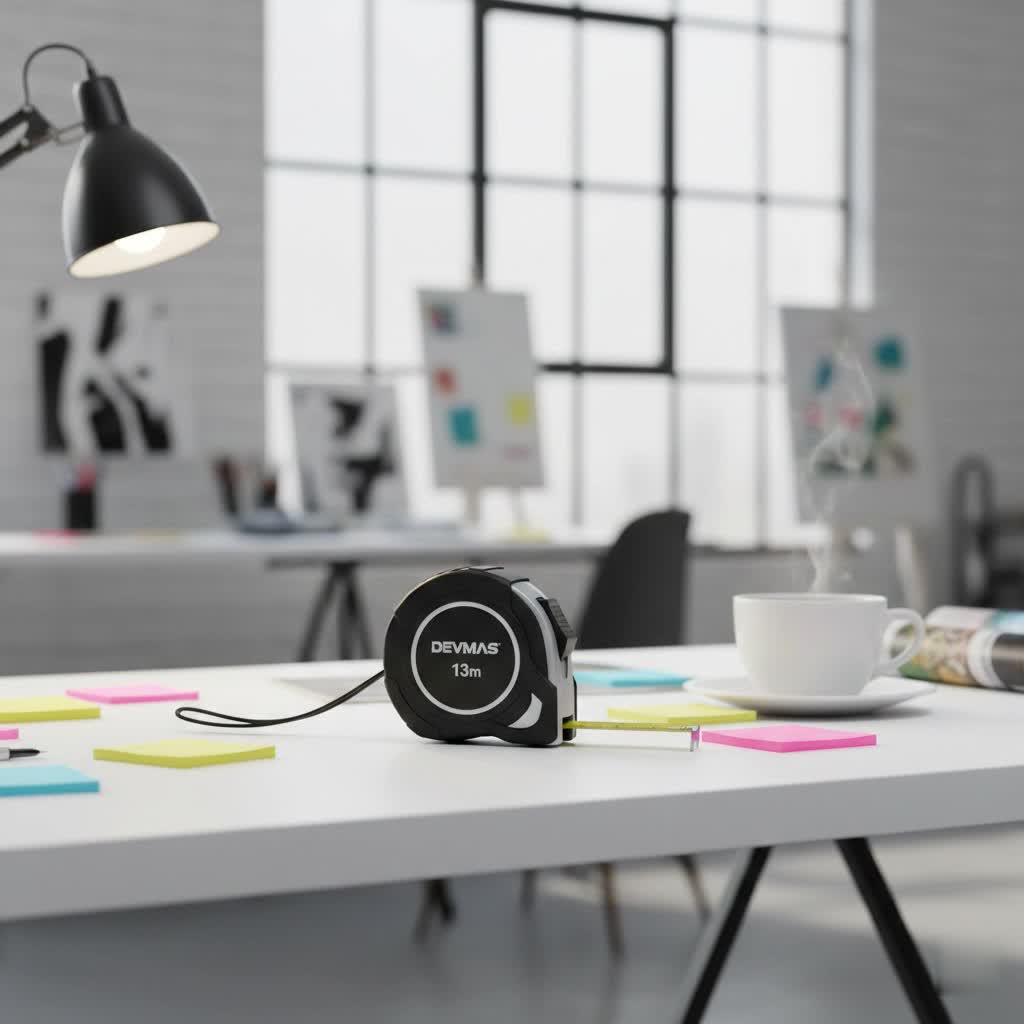
What is a Small Tape Measure and Why is it Essential?
A small tape measure is essentially a compact version of its larger counterpart, designed for portability and precision in scenarios where a full-sized tape would be cumbersome. While the fundamental purpose remains the same – to accurately determine length – these miniature tools shine in their ability to offer convenience without sacrificing exactitude. Their history, much like standard tape measures, traces back to early measuring devices, evolving significantly with innovations in materials and design to become the highly functional tools we know today.
The necessity of a small tape measure often becomes apparent in its absence. For intricate woodworking, fabric cutting, or even measuring furniture for a new apartment, a compact tool provides unparalleled ease of use. It’s the perfect solution for quick checks, personal use, and fitting into tool belts, pockets, or craft kits where space is at a premium.
Popular Types of Small Tape Measures and Their Applications
The world of compact measuring tools is diverse, offering specialized designs for various tasks. Understanding the different types available will help you select one that perfectly aligns with your projects.
Flexible Fabric Tape Measures
These soft, pliable tapes are typically made from fiberglass or cloth, making them ideal for measuring curved or irregular surfaces. Common lengths range from 60 to 120 inches (1.5 to 3 meters).
- Characteristics: Extremely flexible, non-marring, often dual-sided with imperial and metric markings.
- Pros: Excellent for tailoring, sewing, crafting, and taking body measurements. Easy to store by rolling or folding.
- Cons: Less rigid, can stretch over time if not handled carefully, not suitable for construction or heavy-duty tasks.
- Applications: Fashion design, garment construction, fitness tracking, upholstery, and children’s crafts.
|
Our Picks for the Best Tape Measure in 2026
We may earn a commission when you use one of our links to make a purchase.
|
||
| Num | Product | Action |
|---|---|---|
| 1 | Milwaukee 48-22-0325 Compact Wide Blade Magnetic Tape Measures |

|
| 2 | iBayam 2 Pack Tape Measure Measuring Tape for Body Fabric Sewing Tailor Cloth Knitting Vinyl Home Craft Measurements, 60-Inch Soft Fashion Pink & Retractable Black Double Scales Rulers for Body Weight |
|
| 3 | DEWALT Atomic Compact Series 30 ft. Tape Measure (DWHT38130S) |
|
| 4 | CRAFTSMAN 25-Ft Tape Measure with Fraction Markings, Retractable, Self-Locking Blade (CMHT37225) |
|
| 5 | 4-in-1 Digital Laser Tape Measure,328ft Laser Distance Meter with Cross-Line Laser,16FT AutoLock Tape,Rechargeable,Backlit LCD,Waterproof,for DIY & Construction |
|
| 6 | Amazon Basics Retractable Tape Measure with Push Button, Easy to Use, 16 Feet, Pink |
|
| 7 | GDMINLO Soft Tape Measure Double Scale Body Sewing Flexible Tailor Craft Vinyl Ruler for Weight Loss Medical Body Measurement, Has Centimetre Scale on Reverse Side 60-inch(White) |
|
| 8 | Amazon Basics Self-Locking Tape Measure, MID Accuracy, 16-Feet (5-Meters), Black, Yellow |
|
| 9 | Milwaukee Tool 48-22-7125 Magnetic Tape Measure 25 ft x 1.83 Inch, 2 Pack |
|
| 10 | Stanley FMHT74038A FatMax 25 Foot Tape Measure 2PK |
|
Retractable Pocket Tape Measures
These are miniature versions of standard steel tape measures, housed in a compact case with a spring-return mechanism. They are designed for general use and portability, typically ranging from 6 to 16 feet (2 to 5 meters) in length.
- Characteristics: Durable metal blade (usually steel), automatic retraction, often includes a locking mechanism and belt clip.
- Pros: Robust, offers good rigidity for short standout measurements, highly portable for everyday carry.
- Cons: Limited reach compared to full-sized tapes, can be difficult to read very fine increments if the scale is compressed.
- Applications: DIY projects, home improvement tasks, quick measurements around the workshop or office, basic construction tasks.
Keychain Tape Measures
For ultimate portability, keychain tape measures are incredibly small, often just a few feet long (e.g., 3-10 feet or 1-3 meters). They are designed to be attached to keys or bags, ensuring you always have a measuring tool at hand.
- Characteristics: Extremely compact, lightweight, basic functionality, typically with a short steel or plastic blade.
- Pros: Unbeatable portability, perfect for impromptu measurements, discreet.
- Cons: Very limited length, less durable than larger models, often lack advanced features like magnetic hooks or strong blade standout.
- Applications: Emergency measurements, quick checks while shopping, travel, and as a convenient everyday gadget.
Digital Tape Measures
While not all digital tape measures are “small,” many compact models now feature digital displays for enhanced precision and ease of reading. These can range from traditional blade tapes with digital readouts to laser distance measurers.
- Characteristics: LCD screen for clear readings, often with memory functions, unit conversion (imperial/metric), and auto shut-off.
- Pros: High accuracy, reduces reading errors, convenient for recording measurements.
- Cons: Requires batteries, generally more expensive, can be less durable than purely mechanical tapes.
- Applications: Interior design, detailed DIY projects, professional use requiring consistent accuracy, quick digital measurements for estimates.
Important Criteria When Choosing a Small Tape Measure
Selecting the right small tape measure goes beyond just its size. Consider these crucial factors to ensure your chosen tool meets your specific demands.
Length and Accuracy
The required length dictates the tape measure type. For body measurements, a 60-inch fabric tape is ample. For quick DIY or pocket carry, 6 to 16 feet is common for retractable models. Precision is paramount, especially for small measurements. Look for Class I or Class II accuracy, with Class I offering the highest precision for critical tasks. Many tapes include both imperial (inches, feet) and metric (centimeters, meters) scales for versatility.
Material and Durability
The materials used in both the casing and the blade significantly impact the tape measure’s lifespan and performance.
- Casing:
- Plastic: Lightweight and affordable, but less durable. Often found on fabric or basic pocket tapes.
- Rubberized/Composite: Offers better grip and shock resistance, common for pocket tapes that might be dropped.
- Metal (e.g., Stainless Steel): Most durable, provides excellent protection for the internal mechanism, but adds weight.
- Blade:
- Steel: Found in most retractable tapes, offers rigidity and durability. Look for nylon-coated blades for enhanced wear resistance and reduced glare.
- Fiberglass: Used in flexible tapes, non-conductive and weather-resistant, but can stretch over time.
- Cloth: Traditional for tailor’s tapes, very flexible but less durable and prone to stretching.
Consider how and where you’ll use the tape. A tool frequently carried in a pocket or tossed into a toolbox will benefit from a more robust construction.
Additional Features
Modern small tape measures often include features that enhance usability and convenience.
- Automatic Blade Lock: The blade locks in place automatically when extended, allowing for one-handed operation.
- Magnetic Hook: A small magnet on the end hook allows the tape to attach to metal surfaces, ideal for solo measurements.
- Belt Clip/Keychain Loop: Essential for easy carrying and quick access.
- LED Light: Some digital or even manual tapes incorporate a small LED for improved visibility in low-light conditions.
- Easy-to-Read Markings: Bold numbers, clear fractional markings, and contrasting colors significantly improve readability, especially on shorter, denser scales.
- Memory Function: For digital models, this allows storing multiple measurements, useful for complex projects.
Comparison Table: Top Small Tape Measures for Various Needs
| Feature / Type | Flexible Fabric Tape | Retractable Pocket Tape | Keychain Tape Measure | Digital Tape Measure (Compact) |
|---|---|---|---|---|
| Typical Lengths | 60-120 inches (1.5-3m) | 6-25 feet (2-8m) | 3-10 feet (1-3m) | Up to 16 feet (5m) |
| Primary Material | Fiberglass/Cloth | Steel blade, plastic/rubberized case | Steel/plastic blade, plastic case | Steel blade, plastic case, electronics |
| Durability | Moderate (prone to stretch) | High (steel blade, robust case) | Low to Moderate | Moderate (sensitive to impact/water) |
| Accuracy | Good (for soft curves) | High (Class I/II available) | Good (for short distances) | Very High (digital readout) |
| Key Features | Flexible, dual-sided | Auto-lock, belt clip, magnetic hook (optional) | Ultra-portable, keyring attachment | LCD display, memory, unit conversion |
| Best For | Sewing, tailoring, body measurements, crafts | DIY, home projects, quick measurements, light construction | Everyday carry, impromptu checks, travel | Precision work, complex projects, reducing errors |
| Price Range | Low | Low to Medium | Very Low | Medium to High |
How to Use and Maintain Your Small Tape Measure Correctly
Proper usage and maintenance are key to ensuring the longevity and accuracy of your small tape measure.
Safe and Accurate Usage
- Extend Carefully: Pull the blade out smoothly to avoid kinks or damage. For retractable tapes, engage the lock mechanism firmly to hold the measurement.
- Read Precisely: Align the starting point accurately. When measuring, keep the blade flat against the surface to prevent sag, especially with flexible tapes. Read the marking directly above the measurement point to avoid parallax errors. Many tapes divide inches into 16ths, 8ths, quarters, and halves. Some professional tapes include fractional markings to simplify reading.
- Inside vs. Outside Measurements: For inside measurements (e.g., fitting a cabinet), use the end hook or the case of the tape measure, adding the case’s length (usually marked on the side) to the visible blade reading. For outside measurements, simply hook the end tab onto the edge of your material. The end hook is designed to float slightly to account for its thickness, ensuring accuracy for both push and pull measurements.
Proper Care and Storage
- Clean After Use: Wipe the blade with a dry cloth to remove dirt, dust, or moisture. This prevents rust on steel blades and keeps markings clear.
- Avoid Moisture: Store your tape measure in a dry environment to prevent corrosion, especially for metal-bladed tools.
- Gentle Retraction: Allow the blade to retract slowly rather than letting it snap back violently. This protects the internal spring mechanism and prevents the end hook from getting damaged.
- Regular Inspection: Periodically check the blade for kinks, tears, or faded markings. A damaged blade can lead to inaccurate measurements.
- Store Properly: Keep it in a toolbox, drawer, or hanging on a hook, away from extreme temperatures or direct sunlight. For keychain tapes, ensure the keyring attachment is secure.
Where to Buy Reliable Small Tape Measures
Finding a trustworthy source for your measuring tools is crucial for quality and accuracy.
Reputable Retailers
- Hardware Stores: Local hardware stores often carry a good selection of durable retractable tape measures from known brands. This allows you to physically inspect the tool before buying.
- Craft & Fabric Stores: These are excellent places to find high-quality flexible fabric tapes, often in various colors and designs.
- Department Stores: Many larger department stores will have a basic selection of compact tape measures for general home use.
Online Shopping: Pros and Cons
- Advantages: Wider selection, competitive pricing, convenience, access to user reviews and expert ratings.
- Disadvantages: Cannot physically inspect the product, potential for misleading descriptions or counterfeit goods.
Tips for Online Purchases
- Read Reviews: Pay close attention to reviews regarding accuracy, durability, and ease of use.
- Check Seller Reputation: Buy from well-known retailers or reputable third-party sellers.
- Verify Specifications: Confirm length, material, and features match your needs.
- Beware of “Too Good to Be True” Deals: Extremely low prices might indicate low quality or counterfeits.
Expert Advice: Your Buying Guide to Small Tape Measures
Choosing the perfect small tape measure ultimately depends on your primary use case. “Don’t just grab the cheapest option; consider what you’ll be measuring most often,” advises [Your Name/Reviewders.com Admin], a technician with over 10 years of experience reviewing measuring tools. “A tailor needs flexibility, a crafter needs precision for small details, and a homeowner needs something robust enough for odd jobs.”
Matching the Tool to Your Task
- For Sewing & Tailoring: Prioritize a flexible fabric tape measure (60-120 inches) made of fiberglass, ensuring it has clear, dual-sided markings.
- For DIY & Home Projects: Opt for a retractable pocket tape measure (10-16 feet) with a durable steel blade, an auto-lock feature, and a robust, possibly rubberized, casing. Magnetic hooks can be a bonus.
- For Everyday Carry & Emergencies: A keychain tape measure (3-6 feet) is perfect. Look for decent retraction and clear markings, even if basic.
- For High Precision & Digital Convenience: A compact digital tape measure will offer the highest accuracy and features like memory recall, ideal for detailed projects where numbers matter most.
Common Mistakes to Avoid
- Ignoring Accuracy Class: For professional or critical work, always check for Class I or Class II certification.
- Overlooking Readability: Especially with small tapes, ensure the markings are clear and easy for your eyes to read. Faded or overly complex scales can lead to errors.
- Forgetting Portability Needs: A “small” 25-foot tape might still be too bulky for a pocket; align size with your carrying requirements.
- Neglecting Durability: A cheap plastic tape measure won’t last long if it’s constantly in a toolbox or falling from a workbench. Invest in a tool that matches your usage intensity.
“A small tape measure isn’t just about size; it’s about the right tool for the right job, maximizing efficiency and accuracy in tight spots.”
Conclusion
Small tape measures are mighty tools, proving that precision and portability can go hand-in-hand. From the delicate measurements required in tailoring to the quick checks needed in everyday life, there’s a compact tape measure perfectly suited for every task. By understanding the different types, key features, and maintenance tips, you can confidently choose a durable and accurate companion that will serve you well for years to come. What small measurement challenge will you conquer next with your ideal compact tape measure?
Frequently Asked Questions
What is the ideal length for a general-purpose small tape measure?
For general purposes and everyday carry, a retractable tape measure between 10 to 16 feet (3 to 5 meters) often strikes the perfect balance. It’s compact enough for a pocket or small toolbox but offers sufficient length for most common household and DIY tasks.
Are small tape measures less accurate than full-sized ones?
Not necessarily. While extremely tiny or novelty tape measures might have lower precision, reputable compact and pocket tape measures can achieve the same accuracy classes (Class I or II) as their larger counterparts. Accuracy depends more on manufacturing quality and calibration than on overall length.
Can I use a fabric tape measure for construction projects?
No, fabric tape measures are unsuitable for construction. Their flexibility means they lack the rigidity needed for straight lines, and they are prone to stretching, leading to inaccurate measurements for building tasks. Stick to steel-bladed retractable tapes for construction work.
How do I read fractions on a small tape measure if the lines are very close?
Many small tape measures, especially those designed for DIY, will have fractional markings (e.g., 1/8, 1/4, 1/2) printed directly on the blade to make reading easier. If not, practice identifying the longest lines between inches (1/2 inch), then the next longest (1/4 inch), and so on, down to 1/16th of an inch.