In the dynamic world of construction, design, and DIY projects, precision is paramount. For decades, the trusty manual tape measure has been a staple in every toolbox, a symbol of accuracy and reliability. However, as technology relentlessly advances, a new era of measuring tools has emerged, promising enhanced efficiency, unparalleled accuracy, and a wealth of smart features. Welcome to the realm of e-tape measures – a category encompassing both digital and laser tape measures that are revolutionizing how we approach every measurement task.
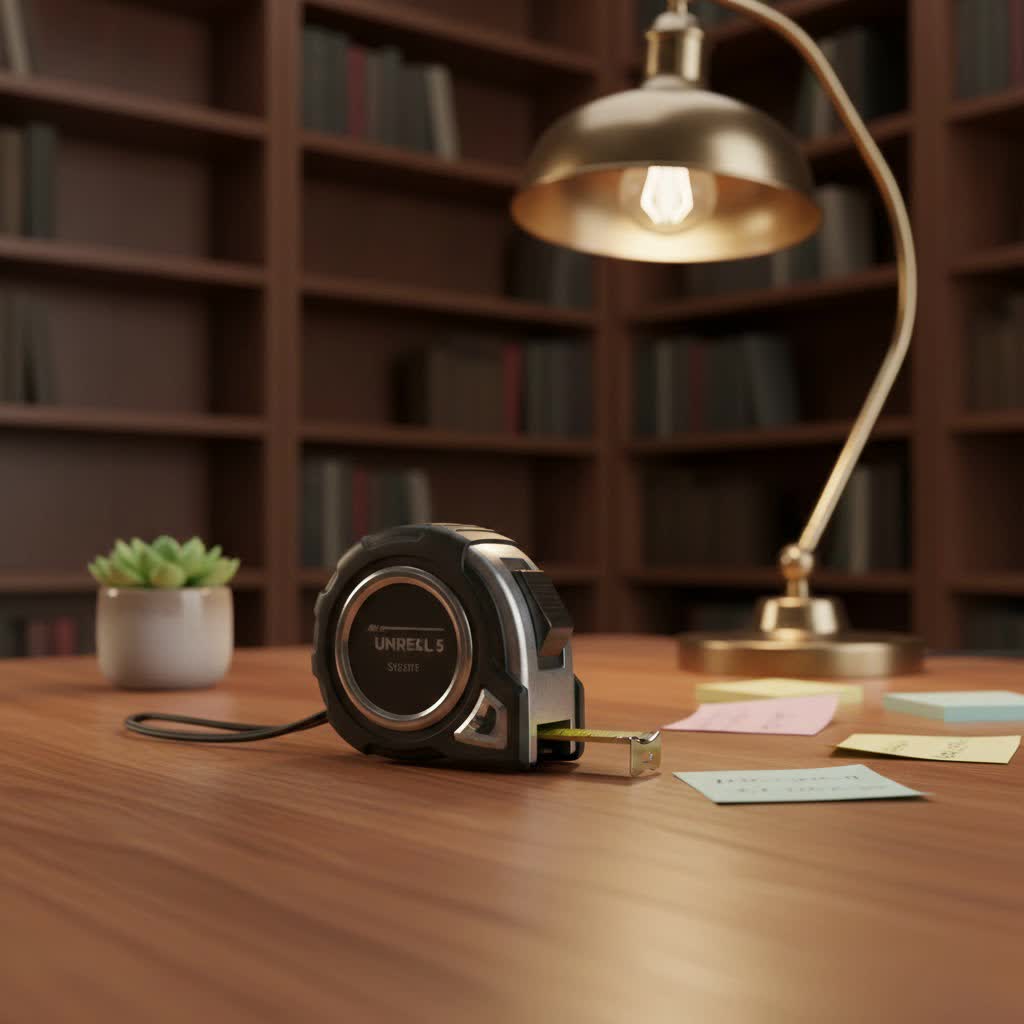
These innovative tools blend traditional measuring principles with cutting-edge electronics, transforming tedious, error-prone tasks into swift, seamless operations. Whether you’re a seasoned professional or a weekend warrior, understanding the capabilities and nuances of e-tape measures is key to unlocking a new level of productivity and confidence in your work. From calculating complex areas with a simple click to precisely measuring vast distances without a second hand, e-tape measures are more than just an upgrade; they are an indispensable partner for modern-day projects.
What is an E-Tape Measure? Why is it Essential?
An e-tape measure refers to a diverse family of modern measuring devices that leverage electronic technology to provide precise and often automatic measurements. Unlike their purely mechanical predecessors, these tools typically feature digital displays, offer instant readings, and often include advanced computational capabilities. They are essential because they drastically reduce the potential for human error, accelerate the measurement process, and enable tasks that are difficult or impossible with traditional manual tapes.
The evolution of measuring tools mirrors the broader technological progress in various industries. Historically, measurements relied on physical scales, eventually leading to the robust steel tape measure. The advent of electronics introduced digital readouts, eliminating misinterpretations of fractional markings. Further innovation brought about laser technology, enabling measurements without direct physical contact, thus expanding the scope and ease of distance assessment. This continuous development underscores the enduring need for faster, more accurate, and more convenient measuring solutions.
The market today primarily features two main types of e-tape measures: digital tape measures with a physical blade and laser distance measures. While both fall under the “e-tape” umbrella due to their electronic nature, they operate on different principles and cater to distinct measurement scenarios. Understanding these differences is crucial for selecting the right tool for your specific needs, ensuring your projects are executed with optimal precision and efficiency.
Common Types of E-Tape Measures and Their Applications
The world of e-tape measures offers diverse solutions tailored to various tasks, from everyday home improvements to professional construction. Each type brings unique advantages and is best suited for particular applications.
Digital Tape Measures (with Physical Blade)
Digital tape measures are the most direct evolution of traditional retractable tapes. They feature a conventional physical blade, typically made of steel or fiberglass, but integrate an electronic sensor and a digital display for reading measurements. This combination provides the tactile familiarity of a traditional tape with the added convenience and precision of digital readouts.
- Characteristics: These tools often come with a bright LCD screen, allowing for easy reading even in low light conditions. Many models offer instant unit conversion between imperial (inches) and metric (centimeters/meters), and some include memory functions to store previous measurements. Features like an auto-shutoff help conserve battery life, and a midpoint button can simplify finding the center of a measurement.
- Advantages: They eliminate common human errors associated with reading traditional fractional markings, such as squinting or misinterpreting lines. They are ideal for tasks requiring precise cuts over shorter distances where a physical reference point is beneficial.
- Disadvantages: Like traditional tapes, they are still limited by physical reach and require a stable hook point or a second person for longer measurements. The blade can also kink or bend, affecting accuracy. For example, some digital tape measures offer accuracy within 1/16 to 1/8 inch across typical spans, making them suitable for general measurements but perhaps not for ultra-fine finish work.
- Applications: Perfect for DIY enthusiasts, carpenters, seamstresses, and anyone who regularly measures shorter distances (e.g., cutting wood, hanging pictures, measuring fabric, basic furniture assembly).
|
Our Picks for the Best Tape Measure in 2026
We may earn a commission when you use one of our links to make a purchase.
|
||
| Num | Product | Action |
|---|---|---|
| 1 | Stanley FMHT74038A FatMax 25 Foot Tape Measure 2PK |

|
| 2 | CRAFTSMAN 25-Ft Tape Measure with Fraction Markings, Retractable, Self-Locking Blade (CMHT37225) |
|
| 3 | iBayam 2 Pack Tape Measure Measuring Tape for Body Fabric Sewing Tailor Cloth Knitting Vinyl Home Craft Measurements, 60-Inch Soft Fashion Pink & Retractable Black Double Scales Rulers for Body Weight |
|
| 4 | 4-in-1 Digital Laser Tape Measure,328ft Laser Distance Meter with Cross-Line Laser,16FT AutoLock Tape,Rechargeable,Backlit LCD,Waterproof,for DIY & Construction |
|
| 5 | DEWALT Atomic Compact Series 30 ft. Tape Measure (DWHT38130S) |
|
| 6 | GDMINLO Soft Tape Measure Double Scale Body Sewing Flexible Tailor Craft Vinyl Ruler for Weight Loss Medical Body Measurement, Has Centimetre Scale on Reverse Side 60-inch(White) |
|
| 7 | Amazon Basics Self-Locking Tape Measure, MID Accuracy, 16-Feet (5-Meters), Black, Yellow |
|
| 8 | Milwaukee Tool 48-22-7125 Magnetic Tape Measure 25 ft x 1.83 Inch, 2 Pack |
|
| 9 | Milwaukee 48-22-0325 Compact Wide Blade Magnetic Tape Measures |
|
| 10 | Amazon Basics RetractablE Tape Measure with Push Button, Easy to Use, 16 Feet, Pink |
|
Laser Tape Measures (Laser Distance Meters)
Laser tape measures, often called laser distance meters (LDMs), represent a significant leap in measuring technology. These devices emit a laser beam that travels to a target and reflects back, allowing the tool to calculate the distance based on the time taken for the light to return. They do not have a physical blade, making them ideal for long-distance measurements and inaccessible areas.
- Characteristics: LDMs are highly versatile, often packed with advanced features such as automatic area and volume calculations, indirect measurement functions (e.g., Pythagorean theorem for height), continuous measurement mode, and memory storage for multiple readings. Many include Bluetooth connectivity for transferring data to smartphones or tablets, integrating with construction apps for floor plans and layouts. Models with green lasers are available, offering better visibility in bright conditions than red lasers. Some even feature a folding tab to precisely measure from inside or outside corners.
- Advantages: They allow for quick, single-person measurements over extremely long distances, from a few feet up to hundreds of feet (some specialized units claim ranges into thousands of feet). They excel in situations where a physical tape is impractical, such as measuring high ceilings, across large rooms filled with obstacles, or outdoor plots. Laser measures minimize physical strain and speed up estimation tasks considerably.
- Disadvantages: Direct sunlight can diminish the laser’s visibility and affect accuracy or range. Highly reflective or transparent surfaces can also interfere with readings. While generally very accurate (e.g., some models boast accuracy of +/- 1/16 inch), specific conditions and user technique are crucial for optimal results. For very short, highly precise cuts, a traditional steel tape might still be preferred over a laser measure.
- Applications: Indispensable for real estate agents measuring square footage, appraisers, contractors for estimating materials, architects, interior designers, and anyone working on large-scale projects or in challenging environments.
Hybrid E-Tape Measures
A smaller, yet growing, category combines elements of both traditional and laser measuring. These hybrid tools feature a physical retractable tape alongside a built-in laser distance meter. The aim is to offer the best of both worlds: the tactile control and familiar feel of a manual tape for short, precise tasks, and the speed and reach of a laser for longer measurements.
- Characteristics: Hybrids typically have a robust casing to house both mechanisms, a digital display, and often include basic laser functions like distance, area, and volume.
- Advantages: Offers versatility, allowing users to switch between methods depending on the task at hand. This can streamline workflows, especially for professionals who encounter a variety of measurement challenges daily.
- Disadvantages: Can be bulkier and potentially less ergonomic than dedicated laser measures. Users must also be mindful of protecting the laser components when retracting the physical tape.
- Applications: Suited for professionals who need both traditional and laser measuring capabilities in a single, convenient tool, such as general contractors or home inspectors.
Key Factors When Choosing an E-Tape Measure
Selecting the right e-tape measure involves more than just picking the first one you see. Careful consideration of several factors will ensure the tool you choose perfectly aligns with your specific needs and project demands.
Length and Accuracy
The measurement range and precision are perhaps the most critical aspects of any measuring tool.
- Required Length for Your Work: Determine the typical distances you’ll be measuring. For indoor DIY projects like hanging shelves or measuring furniture, a digital tape measure with a physical blade up to 16-25 feet might suffice. For large rooms, commercial spaces, or outdoor measurements, a laser distance measure with a range of 100 feet or more will be far more efficient. Some professional laser models can measure up to 330 feet or even further.
- Accuracy of the Tape Measure (Permissible Error): Look for the manufacturer’s stated accuracy, often expressed as a plus/minus value (e.g., +/- 1/16 inch or +/- 1.5mm). While digital tape measures with blades generally offer good accuracy for shorter distances (e.g., within 1/16 to 1/8 inch), laser measures can maintain high precision over much longer spans. For critical finish work where fractions of a millimeter matter, verify the tool’s tolerance. Keep in mind that real-world accuracy can be influenced by factors like user steadiness, surface type, and environmental conditions.
- Measurement Standards (e.g., Metric, Imperial): Ensure the e-tape measure supports the units you commonly use. Most digital and laser measures offer easy switching between imperial (feet, inches, fractions) and metric (meters, centimeters, millimeters) units, a significant advantage over single-unit manual tapes.
Material and Durability
A measuring tool is an investment, and its longevity depends heavily on its construction.
- Material of the Casing (Plastic, Metal): The outer shell should be robust enough to withstand the rigors of your work environment. Many e-tape measures feature durable plastic casings, often with rubberized overmolds for enhanced grip and impact resistance. Metal casings offer superior protection but can add to the tool’s weight.
- Material of the Blade (Steel, Fiberglass – for Digital Tapes): For digital tape measures with a physical blade, a high-quality steel blade offers rigidity and durability, resisting kinks and bends. Fiberglass blades are non-conductive, making them safer for electrical work, but can be less rigid.
- Resistance to Impact, Water, and Rust: Consider the working conditions. If you’re working outdoors or on demanding job sites, look for features like IP ratings (e.g., IP54, IP65) which indicate resistance to dust and water splashes. Rust resistance is particularly important for steel blades in humid environments.
Additional Features
Modern e-tape measures come loaded with features designed to improve user experience and functionality.
- Automatic Blade Lock (for digital tapes): A self-locking mechanism holds the blade in place once extended, freeing your hands for marking or other tasks.
- Magnetic Hook (for digital tapes): A magnetic tip can be invaluable for attaching the tape to metal surfaces, especially when working alone.
- Belt Clip: A sturdy belt clip allows for easy access and secure carrying on your person.
- LED Backlight/Digital Display: A clear, backlit digital display is essential for reading measurements in poorly lit conditions, ensuring visibility and reducing eye strain. Many feature bright white numerals on a black background for optimal contrast.
- Memory Function: The ability to store multiple measurements is a huge time-saver, preventing the need to jot down figures manually and reducing transcription errors.
- Unit Conversion: Instant switching between imperial and metric units adds versatility.
- Area and Volume Calculations: Many laser measures can automatically calculate the area of a room (length x width) or the volume (length x width x height), simplifying material estimation.
- Indirect Measurement Functions: Advanced laser measures can calculate inaccessible heights or distances using the Pythagorean theorem, a boon for complex layouts.
- Bluetooth Connectivity and App Integration: This feature allows you to transfer measurements directly to a smartphone or tablet. Paired with compatible apps, you can create floor plans, store notes, and integrate measurements into CAD-type applications for further analysis and planning.
- Midpoint Button: A dedicated button that automatically displays the midpoint of a measured length is incredibly useful for framing or positioning.
- Folding Tab (for laser measures): A small tab that extends from the base allows for precise measurements from inside or outside corners, with the tool automatically compensating for the tab’s thickness.
- Digital Angle Indicator: Some laser measures include an on-screen display of angles, useful for finding pitches or leveling.
Comparison Table: Top E-Tape Measures Today
When it comes to selecting an e-tape measure, the market offers a wide array of options, each with its strengths. Here’s a generalized comparison focusing on key characteristics to help you navigate the choices.
| Feature | Digital Tape Measure (Physical Blade) | Laser Distance Measure (LDM) | Hybrid E-Tape Measure (Blade + Laser) |
|---|---|---|---|
| Measurement Range | Short to Medium (16-35 ft) | Medium to Long (100-650+ ft) | Short (blade) & Medium to Long (laser) |
| Accuracy | Good (±1/16″ – ±1/8″) | Excellent (±1/16″ – ±1/8″ over long distances) | Good (blade), Excellent (laser) |
| Best For | DIY, carpentry, general close-up tasks | Professionals, large rooms, outdoor, inaccessible areas | Versatile users needing both close-up and long-range |
| One-Person Use | Limited for long distances | Excellent for all distances | Good for both methods |
| Key Features | Digital display, unit conversion, memory, auto-lock, magnetic hook | Digital display, area/volume, indirect measurement, Bluetooth, app integration, folding tab | Combines features of both types |
| Common Brands | Starrett, Stanley, Craftsman (digital variants) | Leica, Bosch, DeWalt, Klein, Milwaukee, Huepar | Prexiso, some specialized models |
| Price Range | Mid-range | Mid to High-end (depending on features) | Mid to High-end |
“The right measuring tool isn’t just about features; it’s about matching the tool’s capabilities to the demands of your project. For true professionals, a reliable laser measure is a game-changer for speed and safety on large sites.” – John Davis, Master Carpenter & Project Manager
How to Use and Maintain Your E-Tape Measure Correctly
Proper use and diligent maintenance are crucial for maximizing the lifespan and accuracy of your e-tape measure. Even the most advanced tools can falter if not handled with care.
How to Use Your E-Tape Measure Safely and Accurately
-
For Digital Tape Measures (with blade):
- Straighten Kinks: Before extending the blade, gently pull it out and retract it a few times to ensure there are no kinks or curls that could affect accuracy.
- Establish Zero: Most digital tapes are pre-calibrated. For simple measurements, place the end of the tape against your starting point.
- Pull and Read: Extend the tape, keeping it straight and level. Read the measurement directly from the digital display.
- Freeze Measurement: Many models have a “memo” or “hold” button that freezes the reading on the screen, allowing you to remove the tape and record the number without rushing.
- Use the Hook Properly: Ensure the end hook is securely engaged against the object for outside measurements, or push the end against an internal corner for inside measurements. The hook is typically designed to compensate for its thickness.
- Midpoint Function: If available, use the midpoint button to instantly display half of the total measurement, simplifying layout tasks.
-
For Laser Distance Measures:
- Power On and Zero: Press the power/measure button. Most units automatically set the starting point from the base of the tool, though some can be configured to measure from the front or a folding tab.
- Point and Shoot: Aim the laser dot at your target point. Ensure the laser is perpendicular to the surface for the most accurate reading.
- Measure: Press the measure button again. The distance will instantly appear on the screen.
- Utilize Functions: Explore features like area, volume, or indirect measurement modes, following the on-screen prompts or manual instructions.
- Steady Hand: For optimal accuracy, keep the device as steady as possible. Using a tripod mount (if available) can further enhance precision, especially for longer distances.
How to Read and Understand the Markings (Digital & Laser)
- Digital Display: The most significant advantage is the clear, unambiguous digital readout. You’ll see precise numbers, often including fractions of inches or decimal millimeters, eliminating guesswork. Many displays are backlit for visibility.
- Units: Easily toggle between imperial (feet, inches, fractions) and metric (meters, centimeters, millimeters) with a dedicated button.
- Reference Points: Understand whether your laser measure is taking the measurement from its front, rear, or a specific tab. This is usually indicated by a symbol on the display.
How to Maintain Your E-Tape Measure for Longevity
- Battery Management: Always ensure batteries are fully charged or replaced before use. Invest in rechargeable batteries and a portable charger to avoid interruptions. For long-term storage, remove batteries to prevent corrosion.
- Keep it Clean: Wipe the tool clean after each use, especially the lens of a laser measure, with a soft, dry cloth. Avoid abrasive cleaners or solvents.
- Protect from Impact: While many models are durable, drops can damage sensitive electronic components or misalign laser optics. Store your e-tape measure in its protective case or a dedicated compartment in your toolbox.
- Avoid Extreme Conditions: Extreme temperatures (hot or cold) and high humidity can affect performance and battery life.
- Retract Carefully (for hybrid/digital tapes): For models with a physical blade, retract it slowly to prevent damage, especially if it also contains laser components. Rapid retraction can cause unnecessary wear.
- Manage Magnet Mode: If your digital tape measure has a magnetic hook, turn off the magnet mode when not needed, as proximity to other magnets can sometimes cause inaccurate readings due to interference.
Common Errors When Using an E-Tape Measure and How to Fix Them
- Inaccurate Laser Readings: Often due to an unstable surface, a highly reflective target, or direct sunlight interference. Ensure a solid, non-reflective target, and use a laser target plate if working outdoors in bright conditions.
- Kinked Blade (digital tapes): Leads to wavy lines and inaccurate physical measurements. Regularly straighten the blade by pulling it taut.
- Battery Depletion: Can cause erratic readings or the tool to shut off unexpectedly. Always check battery levels and replace/recharge as needed.
- Incorrect Reference Point: For laser measures, ensure you know whether the measurement is being taken from the front, back, or folding tab of the device. Adjust accordingly for accurate results.
- Misinterpreting Symbols: Modern tools often use icons instead of text. Familiarize yourself with the instruction manual to understand each function’s symbol.
Where to Buy Reliable and Quality E-Tape Measures?
Investing in a quality e-tape measure is essential for accurate and efficient work. Knowing where to purchase these tools can make a significant difference in both product reliability and after-sales support.
-
Reputable Stores:
- Hardware and Home Improvement Stores: Large chains like Home Depot, Lowe’s, or local hardware stores offer a good selection of mainstream brands (e.g., DeWalt, Bosch, Milwaukee, Klein). Buying in-store allows you to physically handle the tool, assess its ergonomics, and get immediate assistance from staff.
- Specialty Tool Suppliers: Stores catering to professional trades (e.g., electrical, plumbing, carpentry suppliers) often carry a wider range of high-end and specialized e-tape measures and can provide expert advice.
- Electronics Retailers: Some electronics stores might carry more digitally-focused measuring devices, especially those with advanced connectivity features.
-
Buying E-Tape Measures Online: Pros and Cons:
- Advantages: Online retailers (Amazon, manufacturer websites, specialized e-commerce platforms) offer immense selection, competitive pricing, and the convenience of home delivery. You can easily compare specifications, read extensive user reviews, and access detailed product information.
- Disadvantages: You can’t physically examine the tool before purchase, which means you can’t assess its feel, weight, or display clarity firsthand. Returns might be more cumbersome, and getting personalized advice is often not possible.
- Tips for Online Purchase: Stick to well-known retailers and official brand stores. Always read recent customer reviews, paying attention to comments on accuracy, durability, and customer service. Verify the seller’s return policy and warranty information.
-
Tips to Avoid Counterfeits and Low-Quality Products:
- Buy from Authorized Dealers: This is the most effective way to ensure authenticity and receive valid warranty coverage.
- Beware of “Too Good to Be True” Prices: Unusually low prices for reputable brands often indicate a fake or a highly compromised product.
- Check for Brand Consistency: Examine product packaging, branding, and manual quality. Inconsistent logos, poor printing, or misspelled words are red flags.
- Read Reviews Critically: While positive reviews are good, watch for suspiciously generic or overly enthusiastic reviews that lack specific details. Look for reviews that highlight actual performance and potential flaws.
- Verify Certifications: Look for recognized industry certifications or quality standards on the product or packaging.
Buying Guide: Expert Advice
Navigating the multitude of e-tape measures can be daunting. Here’s some expert advice to help you make an informed decision and avoid common pitfalls.
- Match the Tool to the Task, Not Just the Price: The most expensive tool isn’t always the best for your needs, nor is the cheapest option always a bargain. If you’re a DIYer primarily measuring for small indoor projects, a basic digital tape with a physical blade might be perfect. For a professional who regularly measures large spaces for estimates or installations, a feature-rich laser distance measure with Bluetooth connectivity will be a more efficient investment.
- Prioritize Accuracy for Critical Work: For tasks requiring near-perfect precision (e.g., fine woodworking, custom cabinetry), consider the manufacturer’s stated accuracy, but also consult reviews that test real-world performance. Some suggest that for extremely short, critical cuts, a high-quality traditional steel tape can still offer the most reliable reference.
- Consider the Work Environment: If you work outdoors frequently, look for a laser measure with a green laser for better visibility and a high IP rating for dust and water resistance. If you’re often in dimly lit areas, a bright, backlit digital display is a must.
- Don’t Overlook Ergonomics and Ease of Use: A powerful tool is only effective if you can use it comfortably and intuitively. Read reviews about button layout, display clarity, and how the tool feels in hand. Tools with simpler interfaces can save time in the long run, even if they have fewer functions.
- Think About Connectivity: If you’re integrating measurements into digital plans or estimations, Bluetooth connectivity with a reliable app can be a significant time-saver. However, if you won’t use this feature, you might save money by choosing a model without it.
- Battery Type Matters: Decide between disposable batteries (easy to replace) and rechargeable batteries (more eco-friendly, lower running costs). Consider the battery life and charging convenience for your workflow.
Mistakes to Avoid When Buying and Using an E-Tape Measure:
- Buying for Features You Don’t Need: Don’t pay a premium for advanced calculation modes or connectivity if your projects are simple.
- Ignoring User Reviews: Real-world feedback often highlights pros and cons not immediately apparent from product descriptions.
- Neglecting Calibration Checks: While e-tape measures are precise, it’s always good practice to occasionally cross-reference with a known accurate ruler or another reliable measuring tool, especially if you suspect a discrepancy.
- Misunderstanding Measurement Reference Points: Always be aware of where your laser measure is taking its “zero” point from (front, back, or extension tab).
- Treating it Like a Traditional Tape: Don’t yank or twist the blade of a digital tape measure, and remember that laser measures are sensitive to environmental factors and target surfaces.
Conclusion
The evolution of the humble tape measure into the sophisticated e-tape measure has undeniably transformed how we approach measurement tasks, offering a blend of speed, precision, and convenience previously unimaginable. From the digital tape with its clear readouts to the laser distance meter capable of spanning vast distances with a single click, these tools empower users to work smarter, reduce errors, and tackle more ambitious projects with confidence.
Whether you’re outlining a new room, cutting materials for a project, or simply hanging a picture, an e-tape measure provides the accuracy and efficiency demanded by modern standards. By carefully considering your specific needs—be it range, accuracy, durability, or advanced features—you can select the perfect companion for your toolbox. The right e-tape measure is not just a gadget; it’s a fundamental investment in the quality and success of your endeavors.
What features do you find most essential in your ideal e-tape measure?